-

Complete Guide to Growing Lycaste Orchids: Grow Them This Way for a Thriving, Overflowing Pot
A detailed introduction to Lycaste orchid growing methods and care techniques, including how to grow Lycaste orchids, soil mixing, light and watering, propagation methods, fertilizing and pruning, pest and disease control, and other practical content.
-
Complete Guide to Growing the Monkey Face Orchid: Grow It This Way to Get a Huge, Full Pot
A detailed introduction to the growing methods and care techniques for the monkey face orchid, including how to grow a monkey face orchid, soil mixing, light and watering, propagation methods, fertilizing and pruning, pest and disease control, and other practical content.
-

Phalaenopsis orchids never growing flower spikes? A few tricks to force out strong spikes
What do Phalaenopsis growers look forward to most? Surely it is the appearance of a flower spike, because once the spike grows, blooming is not far off! Have you ever run into the frustration of a Phalaenopsis playing "mute" and stubbornly refusing to grow a flower spike? The leaves are glossy and shiny, the roots are plump and white, yet it just will not "draw its sword from its sheath"? Or if a spike does appear, it is thin and weak.
-
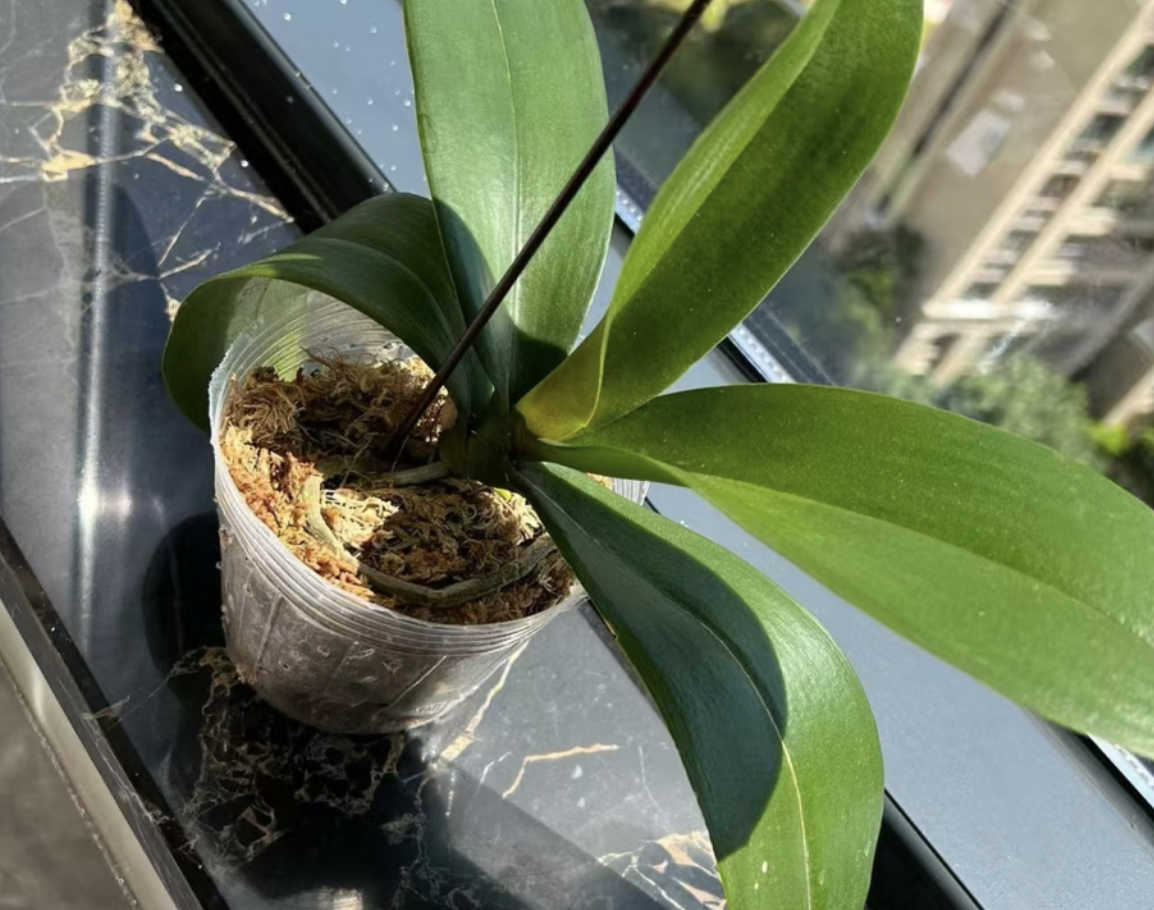
How to repot a Phalaenopsis orchid with a flower spike? Can you repot a Phalaenopsis orchid while it's growing a flower spike?
For plant lovers, Phalaenopsis orchids are considered flowers that combine both beauty and symbolism. Their flowers have a unique butterfly shape, and due to
-

Can a Phalaenopsis orchid still survive if all its roots have rotted? Here's how to coax it into growing new roots
I believe friends who have kept Phalaenopsis orchids for the first time have all been through root rot, and generally speaking, even with a strenuous rescue effort, for less experienced growers the result is mostly in vain. Here I'd like to share one of the fastest root-inducing methods after root rot, namely the "inversion method." How exactly do you do it? Let's take a look below. "Inver
-
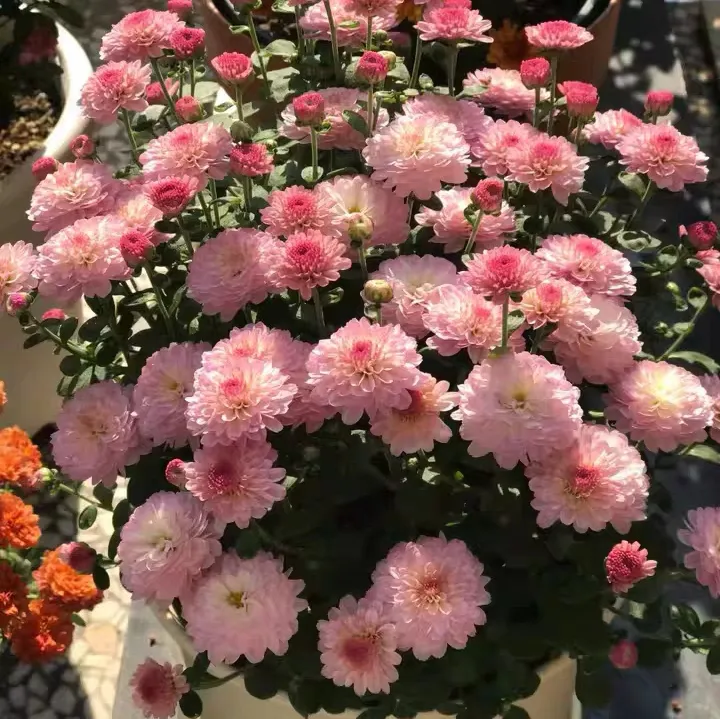
How to Determine if a Phalaenopsis (Moth Orchid) Has Entered Its Growing Period
# The Key to Growing Phalaenopsis (Moth Orchids): Master Their "Growth Rhythm" The most crucial aspect of growing phalaenopsis is understanding their "growth
-
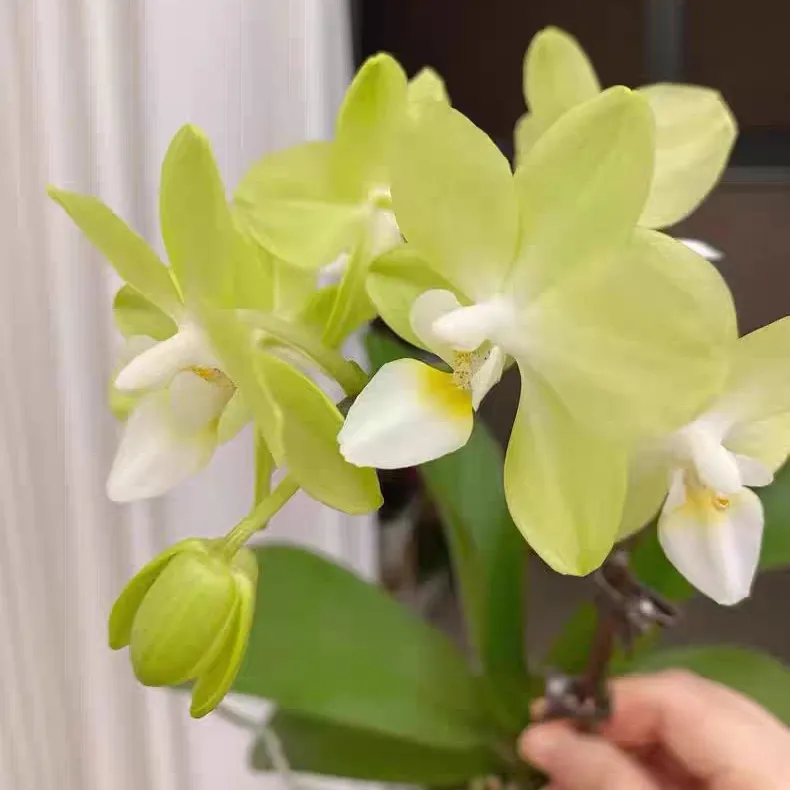
How to determine if a phalaenopsis (moth orchid) has entered its growing period?
# How to Care for Phalaenopsis: Master Its Growth Rhythm The key to caring for phalaenopsis (moth orchids) lies in understanding their "growth rhythm"—if you
-

What are the reasons why the new leaves of a Phalaenopsis orchid growing smaller is abnormal?
If you want to grow Phalaenopsis orchids well, you must of course learn to grow the roots well, and secondly, observe the leaf condition of the plant more often. Recently, a fan question came in through the backend, asking why the leaves that grow out get smaller and smaller as the plant is kept. In response to this flower lover's question, and also in combination with the picture sent in through the backend, the editor believes
-

Is it very difficult for beginners to get a Phalaenopsis orchid to rebloom? What temperature is suitable for growing Phalaenopsis orchids for low-temperature reblooming?
In recent years, Phalaenopsis orchids can be said to be a variety found in every flower shop, because they come in diverse flower colors and the flowers also come in large, medium and small sizes: the large ones can be placed on the balcony, and the small ones can be bought to put in the office, catering to popular tastes. On the road of care, many flower-loving friends sent me private messages asking: "What I fear most is spending a lot of money, and after buying it back only being able to
-

How to tell the age of a Phalaenopsis orchid seedling, and after how many years does it stop growing?
Growers of Phalaenopsis orchids have probably all wondered: how old is this plant, exactly? How do you tell? And after how many years does it stop growing? Actually, it's not hard — just look at its "figure" and you'll have a good idea. The age of a Phalaenopsis seedling is mainly judged by its pseudobulb, the plump little "belly" beneath the leaves. A one-year seedling is the thinnest and smallest, usually
条件筛选