-

What size pot for a large Phalaenopsis orchid, and how often to spray fertilizer?
Friends who grow Phalaenopsis orchids often run into this situation: the large plants at home keep growing sturdier and sturdier, but you don't know what size pot to repot them into; you want to spray a little fertilizer to supplement nutrients, but you can't quite pin down the spraying frequency. Generally speaking, a large Phalaenopsis orchid refers to a plant over 25 cm tall, with 4 - 5 mature leaves,
-

Reasons and Care Methods for Leaf Drop and Softening in Post-Bloom Phalaenopsis Orchids
When Phalaenopsis orchids bloom, they are as graceful as dancing butterflies and stunningly beautiful, but after the flowers fade, many growers find that the plants develop leaf drop and soft leaves. These phenomena not only affect the plant's appearance but may also signal problems in care. Only by deeply understanding the underlying causes and taking scientific care measures can post-bloom Phalaenopsis
-
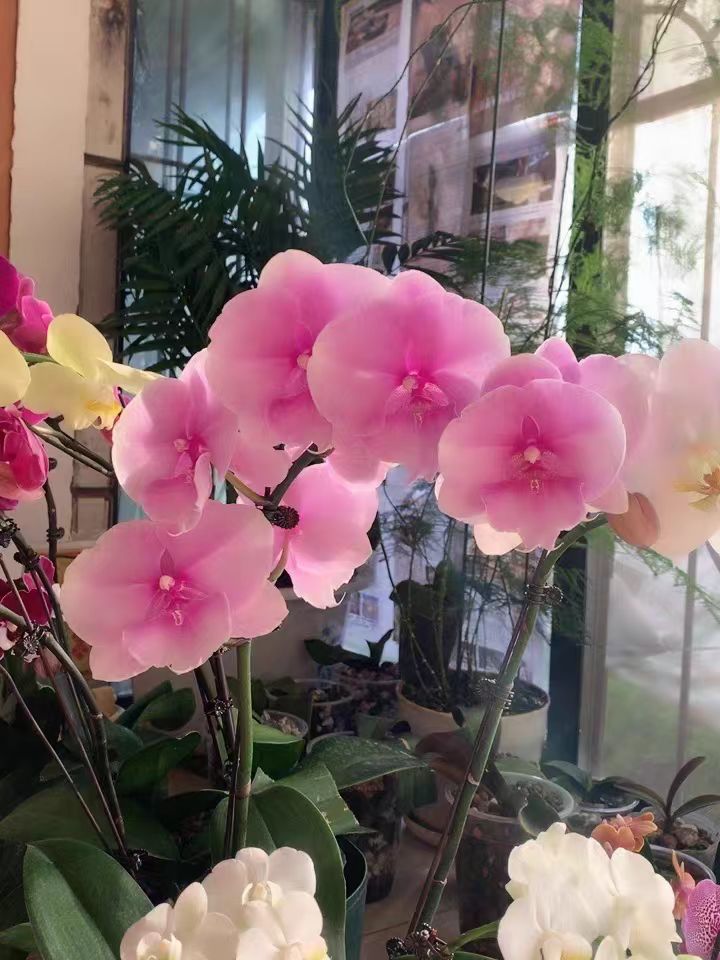
How often should Phalaenopsis orchids planted in bark be watered?
In the selection of cultivation substrates for Phalaenopsis orchids, bark has become the first choice for many flower lovers due to its good air permeability
-
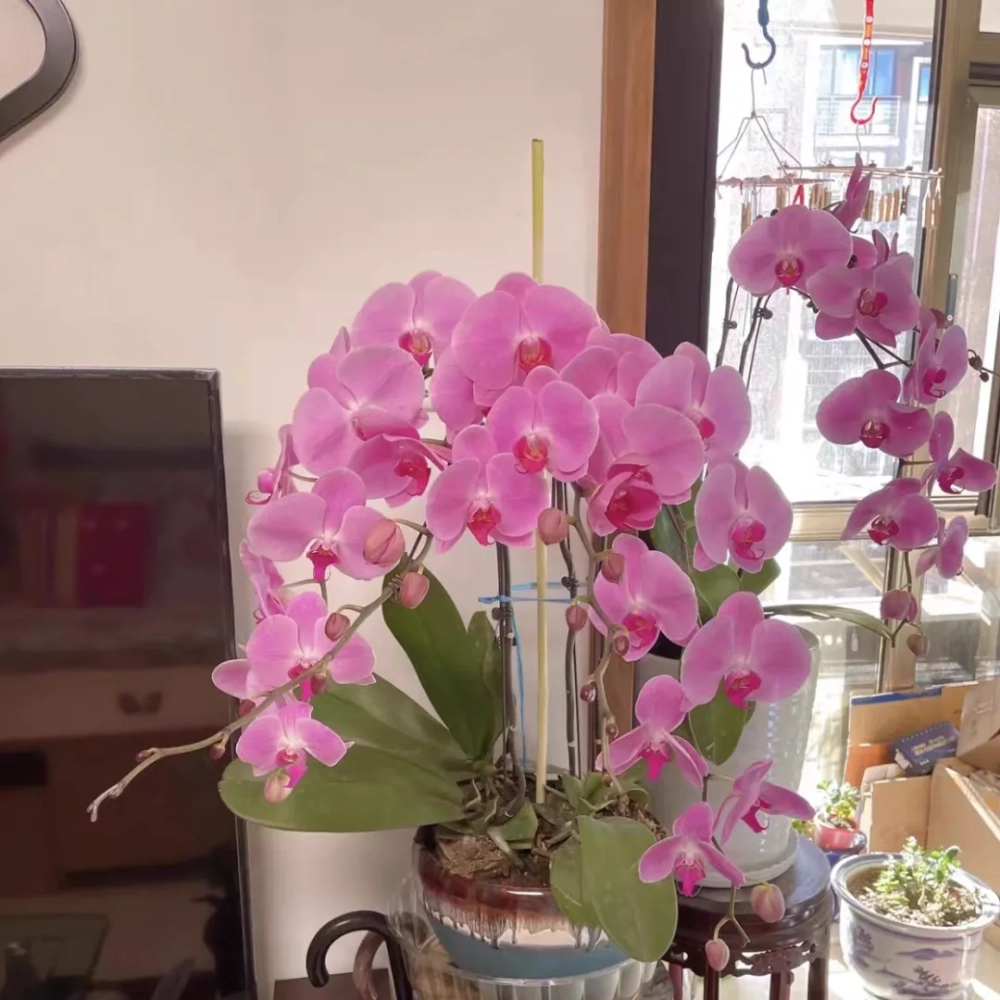
What are the reasons for the softening of the leaves of Phalaenopsis during its flowering period?
During the process of maintaining Phalaenopsis orchids, many flower enthusiasts may encounter the problem of soft leaves during the flowering period. This
-

How often is it best to repot a Phalaenopsis, and should a newly bought one be repotted?
As we all know, most flower lovers who grow Phalaenopsis are appearance-driven; most of them love it for its flower posture and the wide variety of colors, and after blooming the flowers are as lively as butterflies, with petals that feel slightly waxy to the touch. In terms of varieties, some are small forms with flowers about 5 cm across, so the potted plant does not take up much space, while others are large plants.
-

How to water-culture a Phalaenopsis orchid whose roots have all rotted, and how often should the water be changed?
Phalaenopsis orchids, with their elegant bearing and gorgeous flowers, are deeply favored by flower enthusiasts. However, improper care often leads to root rot, which then affects the growth of the whole plant. When faced with the problem of root rot in Phalaenopsis orchids, water culture is undoubtedly an effective way to save them. So, how do you water-culture a Phalaenopsis orchid after root rot?
-

How Often to Water Phalaenopsis Orchids in Winter? A Detailed Guide to Watering Methods
As the pace of life gets faster and faster nowadays, many people want to take some free time to grow beautiful flowers and relax. When it comes to the most popular flowers, Phalaenopsis orchids (moth orchids) are certainly among them. With their high ornamental value and elegant bearing, who wouldn't be captivated by them? However, growing Phalaenopsis orchids looks simple but is actually not easy in practice, especially
-

Is it good to repot Phalaenopsis orchids often, and how long does it take to know they have survived?
When it comes to caring for Phalaenopsis orchids, especially the question of repotting, many flower lovers often feel confused. So how often should Phalaenopsis orchids be repotted, and how can you tell whether a repotted Phalaenopsis orchid has survived? Whether a Phalaenopsis orchid needs frequent repotting depends on its growth condition and the condition of the potting medium. Generally speaking, Phalaenopsis orchids do not need excessive
-

Will Phalaenopsis Leaves Soften During the Acclimation Period? A Detailed Guide to Watering Methods
In the care of Phalaenopsis (moth orchid), especially during the acclimation period, many growers run into problems such as soft leaves. So, will Phalaenopsis leaves soften during the acclimation period? And how should you water correctly during this period? During the acclimation period, that is, the adaptation stage after repotting or changing the pot, Phalaenopsis leaves can indeed become
-

Reasons for Yellowing and Softening Narcissus Leaves and How to Fix Them
Narcissus, with its fresh and elegant character and rich fragrance, is deeply loved by people. However, during care, yellowing leaves are a common problem that not only affects its appearance but may also threaten the plant's health. Below, we will explain the causes and solutions. Light issues: Narcissus is a light-loving plant, and sufficient light is essential for its growth.
条件筛选