-

Can You Repot and Change the Soil of a Phalaenopsis Orchid During Blooming? Detailed Notes and Precautions
When a Phalaenopsis orchid is in bloom, it is a highlight of indoor decor. So can you repot and change the soil of a Phalaenopsis orchid during its blooming period? If repotting is necessary, what precautions should be taken? Understanding this knowledge allows you to better care for the delicate Phalaenopsis orchid and avoid improper handling that could affect its growth and blooming performance. From the perspective of plant growth patterns, Phalaenopsis orchid blooming
-

Things to note and details when buying Phalaenopsis orchids, and you should also understand the size differences
Phalaenopsis orchids have a unique floral form, and basically everyone praises them. How do they reproduce in the tropical rainforest? It turns out they rely on their own extraordinary beauty to attract insects for pollination. At night, in the eyes of insects, the petals of the Phalaenopsis orchid seem to glow on their own, shining brightly and being especially conspicuous, and precisely because of this, the Phalaenopsis orchid
-

The Fastest Methods for Rooting Phalaenopsis Cuttings and Points to Note
It is well known that Phalaenopsis (moth orchid) is especially beautiful when in bloom, which is why its price in flower shops has always remained high. As someone who loves growing flowers, you surely want to know most how to propagate this expensive flower. Some flower enthusiasts are curious whether Phalaenopsis branches can be used for cuttings, so they can enjoy Phalaenopsis freely and turn one pot into many. In fact
-

How to Transfer a Hydroponic Phalaenopsis (Moth Orchid) to Soil Culture and Points to Note
Hydroponic Phalaenopsis orchids are favored by many enthusiasts for their unique ornamental value and ease of care. As the plant grows, some growers may wish to transfer a hydroponic Phalaenopsis to soil culture to promote more robust growth and flowering. Steps for transferring a hydroponic Phalaenopsis to soil culture: Prepare the pot and soil: Soil selection: Phalaenopsis likes
-

Globe Amaranth: Benefits, Uses, Growing Methods and Points to Note
Today we introduce an annual herbaceous plant native to tropical America - Globe Amaranth (Gomphrena globosa), known for its astonishing flowering period and brilliant flower colors, with a unique appearance; the flower is made up of countless small flower heads, and whether as fresh flowers or dried flowers placed at home, it is especially eye-catching. Besides its ornamental value, it also has medicinal effects such as relieving cough and calming asthma, and soothing the liver
-

How to Tell If a Clivia Needs Fertilizing and Points to Note
With its elegant bearing and unique ornamental value, the clivia (Clivia miniata) has become a familiar presence in many homes. However, if you want to keep your clivia in its best condition, fertilizing is an important step that cannot be overlooked. How do you tell if a clivia needs fertilizing? Leaf color: a healthy clivia's leaves should be deep green and glossy
-

Is garlic vine effective at repelling mosquitoes? Detailed guide to growing it and points to note
Southern folks love to keep a few pots of plants on the balcony, and displaying them at home as the New Year approaches adds even more festive atmosphere. Today we recommend the "garlic vine," which is suitable for indoor growing or outdoor growing in the south. It is a plant that blooms in all four seasons, with flowers shaped like little trumpets, and after blooming it gives off a garlicky scent, so it has a certain mosquito-repelling
-

Differences Between Cattleya and Orchids, Plus Growing Methods and Points to Note
Today we introduce a very special tropical orchid called Cattleya. When in full bloom, it is famous for its gorgeous bearing and vivid colors, and is known as the king of orchids. It not only catches the eye at flower exhibitions, but can also be seen in many botanical gardens. Let us learn about this tropical orchid together below.
-

Is the sago palm a fern? Growing methods and points to note
The sago palm (Cycas revoluta) is a widely popular ornamental plant, yet many enthusiasts still have certain questions about its classification and how to grow it. Below, we explain in detail whether the sago palm is a fern, along with its growing methods and points to note. The sago palm is not a fern; it belongs to the gymnosperms.
-
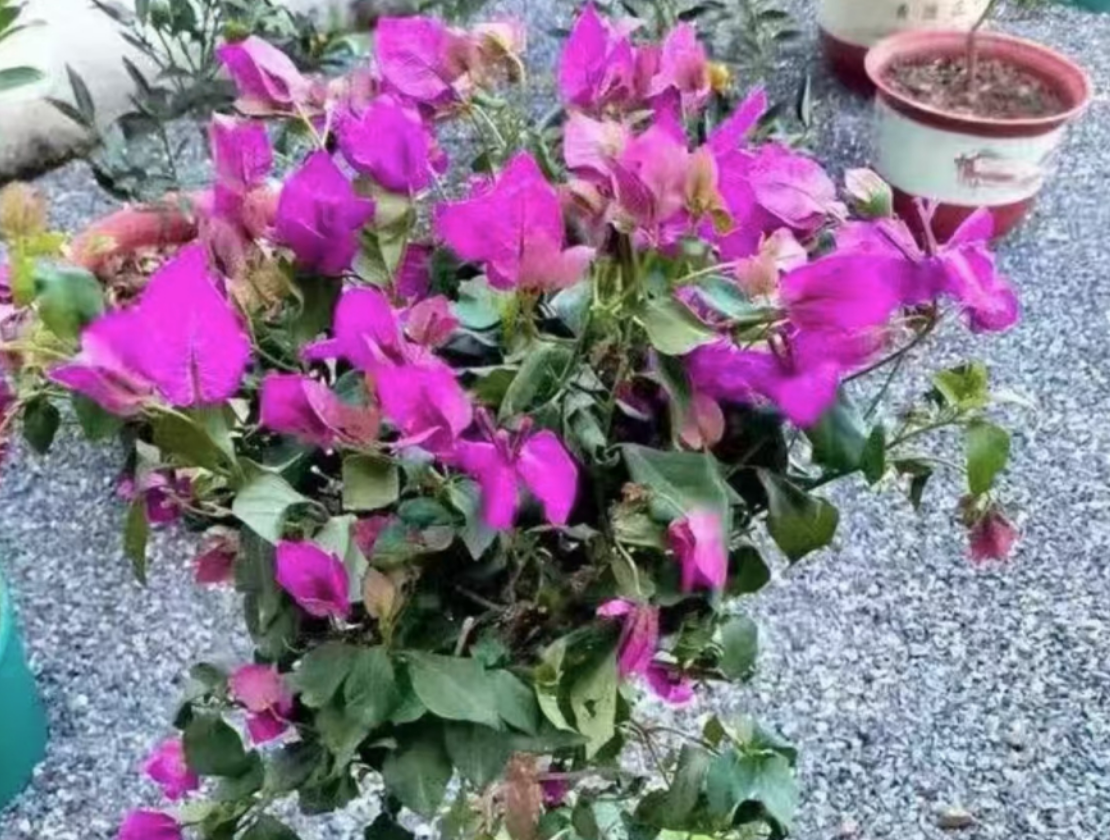
What should be noted when taking care of flowers in winter?
Generally speaking, in winter, plants should be placed in a relatively warm place indoors for care. However, many people don't know what kind of temperature is
条件筛选