-
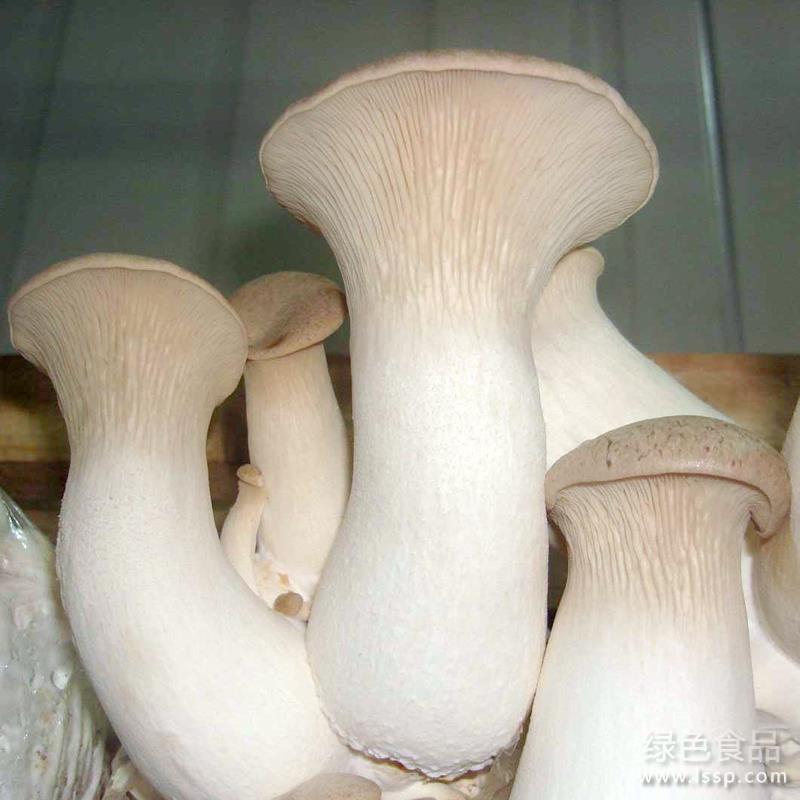
Detailed Explanation of the Preparation Method for Fermented Mushroom Bags of the Shaggy Ink Cap Mushroom and Its Cultivation Techniques
The Preparation Method and Cultivation Techniques for Fermented Mushroom Bags of the Shaggy Ink Cap Mushroom
-

Control Methods for the Large Button Mushroom and Xylaria (Cracked Cap Fungus)
The large button mushroom and Xylaria (also known as chicken-foot fungus) are both major diseases of edible mushrooms. Both are parasitic diseases that live on the mycelium of edible mushrooms and absorb nutrients from it. Once the disease occurs on the mushroom logs or beds, the infected parts of the logs or beds will no longer produce mushrooms. The control methods are described below: 1. Large button mushroom. This pathogen mainly infects oyster mushrooms, shiitake mushrooms, enoki mushrooms, etc. 1. Symptoms. The disease first appears on the mushroom logs or beds as small white round granules
-
Detailed Explanation of the Production and Application Technology of Shiitake Mushroom Capsule Spawn
At the end of the last century, Japan invented capsule spawn and applied it on a large scale to log-cultivated shiitake mushrooms. In 1999, this technology was introduced to our country. After years of research, the Qingyuan County Edible Fungi Research Center overcame the technical difficulties of applying capsule spawn to substitute-material-cultivated shiitake mushrooms and achieved domestic production. Because capsule spawn has the advantages of saving labor, saving effort and a high survival rate, it is very suitable for large-scale production. In the past two years, the amount used has doubled and redoubled, and tens of millions of bags have been promoted and applied so far. It is estimated that in a few years this technology will become common in our country.
-
What to Do When Bumps Appear on Oyster Mushroom Caps? Detailed Prevention and Control Methods
This condition generally occurs in winter. The upper part of the mushroom cap, especially the edge, becomes covered with bumps of varying sizes. In severe cases, the entire cap is covered with bumps. Once bumps form, the fruiting bodies grow extremely slowly. This disease affects both the commercial quality and the yield. The main causes of bump formation are: (1) Fires are lit inside the cultivation room to raise the temperature, causing carbon dioxide to accumulate. (2) The cultivation bags are placed near air vents, and stimulation by cold drafts causes disordered cell growth inside and outside the oyster mushroom cap, resulting in bumps. Prevention and control methods: Strengthen ventilation and air exchange, and harvest all oyster mushrooms with bumps.
-
What causes mushrooms to have a thin cap skin and open their caps prematurely?
Symptoms: The fruiting bodies have thin stems and thin caps, and open their caps prematurely. Causes: Excessive mushrooming density, too high a temperature in the mushroom house, insufficient relative air humidity, overly dry casing soil on the bed surface, and rapid growth of the fruiting bodies can all lead to a thin cap skin and premature cap opening. Preventive measures: Appropriately control the mushrooming sites, ventilate the mushroom house in the early morning and evening, lower the temperature in the mushroom house, and appropriately increase the moisture of the casing soil on the bed surface and the relative air humidity.
-
How to prevent rust-colored spots on mushroom caps
This is generally caused by failing to open doors and windows promptly for ventilation after watering, which makes the humidity in the mushroom house too high; water droplets then collect on the cap surface for a long time, producing rust-colored spots in localized areas. Rust-colored spots resemble bacterial spots, but they are limited to the surface. Preventive measures: open doors and windows for ventilation on schedule or when the weather is suitable, bring in fresh air, and evaporate the moisture on the surface of the mushrooms.
-
Prevention methods for thin-skinned mushrooms that open their caps early
Because the temperature alternates between cold and hot, the temperature varies greatly, and the day-night temperature difference reaches 10-15°C. When the mushroom house is ventilated excessively, or the temperature remains above 18°C for a long time, causing the mycelium to grow quickly and the mushrooms to fruit too densely, the fruiting bodies are prone to developing thin-skinned, cap-opening mushrooms with slender stipes, thin caps and early cap opening. Preventive measures: scientific management. Ventilate and spray water in appropriate amounts; when the weather changes suddenly, strengthen management and maintain suitable temperature and humidity in the mushroom house; during fruiting, the humidity should be kept at 12-16°C, and excessively dense mushroom buds should be removed appropriately.
-
Detailed explanation of year-round production and cultivation techniques for straw mushroom and shaggy ink cap mushroom
1 Cropping schedule 1.1 Straw mushroom. In May, prepare materials and sow; 1 crop per month, harvest 3 flushes, and finish production by the end of September. 1.2 Shaggy ink cap mushroom. In September, sow and grow the spawn; in late October, place the mushroom sticks into the shed for cultivation and fruiting; harvest the first flush in mid-November; inoculate and grow the spawn again in late November; harvest the 2nd flush in mid-December; harvest the 3rd flush in early January of the following year. Plant the 2nd crop in late January, and finish production by the end of April. 2 Cultivation techniques 2.1 Straw mushroom production and cultivation techniques 2.1.1 Ingredients. (1) Wheat straw 10
-

Wood ear mushroom cultivation opens a new path for farmers in Luqiao Town, Weishan County to escape poverty and become prosperous
Wood ear mushroom cultivation in Luqiao Town, Weishan County opens a new road for farmers to escape poverty and become prosperous
-
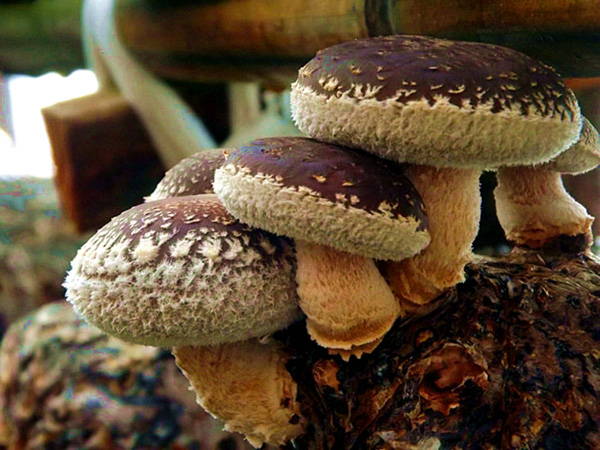
Shiqian County, Guizhou: Shiitake mushroom industry helps surrounding farmers escape poverty and become prosperous
Shiqian County, Guizhou: Shiitake mushroom industry helps surrounding farmers escape poverty and become prosperous
条件筛选