-
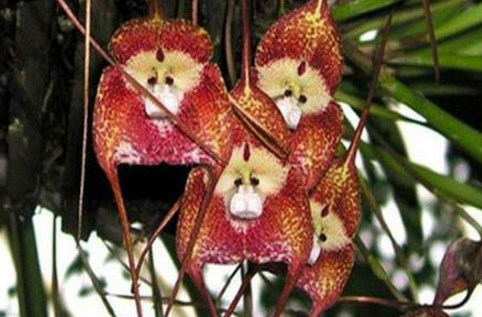
What are the propagation methods for the monkey-face orchid (Dracula simia)?
Propagation by seed: The monkey-face orchid can self-pollinate, but its seeds scatter easily, so they should be collected in time. The seeds of the monkey-face orchid are tiny and can be raised in flat trays without covering with soil; they need plenty of sunlight and generally sprout in about one month. Seedlings do not need frequent watering; keeping the medium moist is enough.
-

-
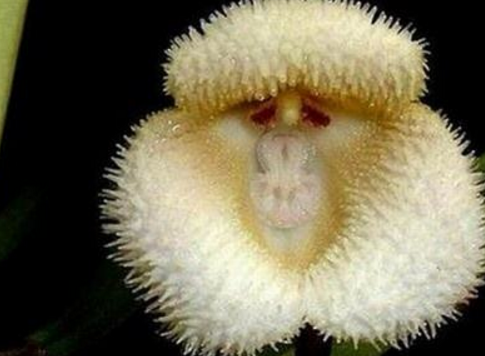
A Detailed Guide to Disease and Pest Control for the Monkey Face Orchid
1. Wilt disease Symptoms: Wilt disease occurs mostly in hot, humid seasons; the leaves turn yellow and wither, which is very detrimental to plant growth. Control method: Promptly prune away diseased leaves, do not let the plant become too damp, and you may choose 25% propiconazole emulsifiable concentrate at 2000 times dilution to spray the base or drench the roots.
-

How to grow the monkey face orchid? Detailed guide to cultivation methods
Cultivation methods for the monkey face orchid
-
What kind of orchid is the monkey face orchid (Dracula simia)?
The monkey face orchid (Dracula simia), of the family Orchidaceae and the genus Dracula, is a small epiphytic orchid about 40 cm tall, with thick and sturdy stems and opposite, obovate-lanceolate leaves. The flowers are borne in opposite pairs in the leaf axils, funnel-shaped, with the flower stalks growing out from the base, and the seeds are tiny.
-
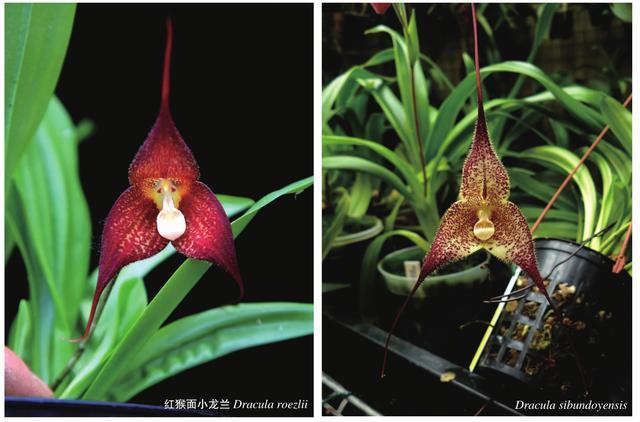
Why is the monkey face orchid hailed as the Monkey King of the orchid world?
The "Monkey King" of the orchid world - the monkey face orchid In the tropical mountain rainforests of the Americas, the dark and humid environment and unique geographical features have given rise to many exotic flowers and plants. Among them is a very peculiar orchid, the "monkey face orchid...
-
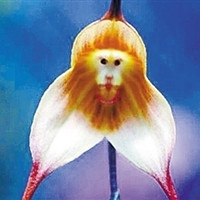
The monkey face orchid actually has these nicknames, and many people don't know them
The monkey face orchid, of the orchid family and the genus Dracula, is a small epiphytic orchid about 40 cm tall, with thick stems, and opposite leaves that are obovate-lanceolate. The flowers grow in opposite pairs in the leaf axils, are funnel-shaped, and the flower stalks emerge from the base; the seeds are tiny.
-
-
-
条件筛选