-

How to grow the wrinkled-leaf peperomia? Remember the key care points
Potting soil: The wrinkled-leaf peperomia is not too fussy about its soil. Generally speaking, well-drained leaf mould is enough. Gardeners can also mix their own potting soil suitable for the wrinkled-leaf peperomia, for example, a loose growing mix made by blending garden soil, leaf mould and river sand, with a small amount of cake fertiliser added as a base fertiliser
-
How to grow a small-leaf banyan (Ficus microcarpa) bonsai? Detailed care methods and tips
1. Water and fertilizer management. The small-leaf banyan is extremely easy to grow; it adapts to environments with abundant water and fertilizer, and it is also drought-tolerant and water-tolerant, able to grow in stone crevices. If you want to grow it into a bonsai, you must first grow the trunk well and develop it into a stump. Usually apply thin fertilizer frequently, using decomposed organic fertilizer as a top dressing, once every 3 days
-
One of the Diseases of Yucca: Leaf Spot in Detail
Development Pattern The pathogen of leaf spot usually overwinters on diseased plant debris. The pathogen may spread and infect in greenhouses, glasshouses, fields, and household potted plants during rainy weather and when water splashes during watering; their microscopic size allows them to enter the plant through wounds or stomata.
-
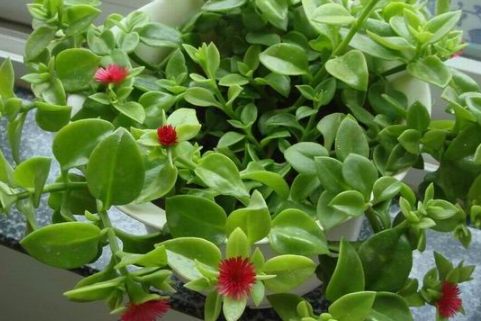
Why is the heartleaf ice plant not blooming?
1. Watering too frequently. The main reason the heartleaf ice plant does not bloom is that we water it too often. Although it needs more water during its peak growing season to replenish the nutrients consumed during growth and help the plant grow faster and better, excessive watering will cause the plant to grow leggy.
-

Why do fiddle-leaf figs easily turn yellow right after being brought home?
The fiddle-leaf fig likes broad, airy spaces. When a fiddle-leaf fig is newly brought home, the change of environment, combined with poor indoor air circulation, causes the leaves to start turning yellow-brown from the edges, and then the whole leaf begins to wither. To deal with this situation, you need to increase the indoor air humidity
-
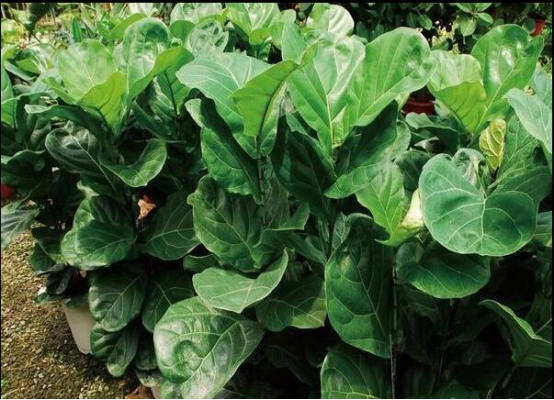
What to Do When a Fiddle Leaf Fig Dries Out and Drops Its Leaves? Causes and Remedies
Once we notice the fiddle leaf fig dropping leaves, we need to find the cause. Usually, as long as we find the cause, the problem of dry, dropping leaves is easy to solve. 1. Soil causes. Because the fiddle leaf fig is suited to growing in slightly acidic soil, and most of the water we normally use for watering plants is tap water, over time
-
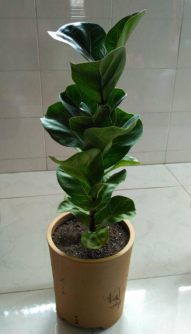
A detailed guide to fiddle-leaf fig propagation methods, teaching you how to easily propagate new plants
1. Cutting the cuttings. When propagating fiddle-leaf fig by cuttings, it is best to choose one- to two-year-old branches, cut them off 20 to 30 cm above the soil surface in the pot, then cut the removed branches into sections of three or four nodes as cuttings. Each cutting should keep one leaf, and about two-thirds of the leaf should be cut off, which can reduce water evaporation.
-
How to grow Prunus x cistena (purple-leaf sand cherry)? Growing methods and precautions
1. Light. Prunus x cistena likes sunlight. If the light is insufficient, its leaves will turn greenish, so if you want the leaves to be a bright purple-red, you should plant it in a place with plenty of light. 2. Soil. Prunus x cistena is not demanding about soil.
-
What are the care precautions for Prunus x cistena (purple-leaf sand cherry)?
1. Winter care. Prunus x cistena has a certain degree of cold tolerance; mature plants only need their trunks whitewashed in winter. For saplings planted that same year, mounding soil around the roots or wrapping a ring of straw matting around the trunk can help Prunus x cistena get through the winter. For seedlings still developing
-
What are the common pests and diseases of the purple-leaf sand cherry?
1. Diseases. The common disease of the purple-leaf sand cherry is crown gall, a bacterial disease. Once infected, it causes the root stem mass of the purple-leaf sand cherry to overgrow into a gall-like shape, which is why it is called crown gall. This bacterium mainly spreads when watering trees, through rainwater and during the transport of seedlings, entering through tree wounds to cause disease.
条件筛选