-
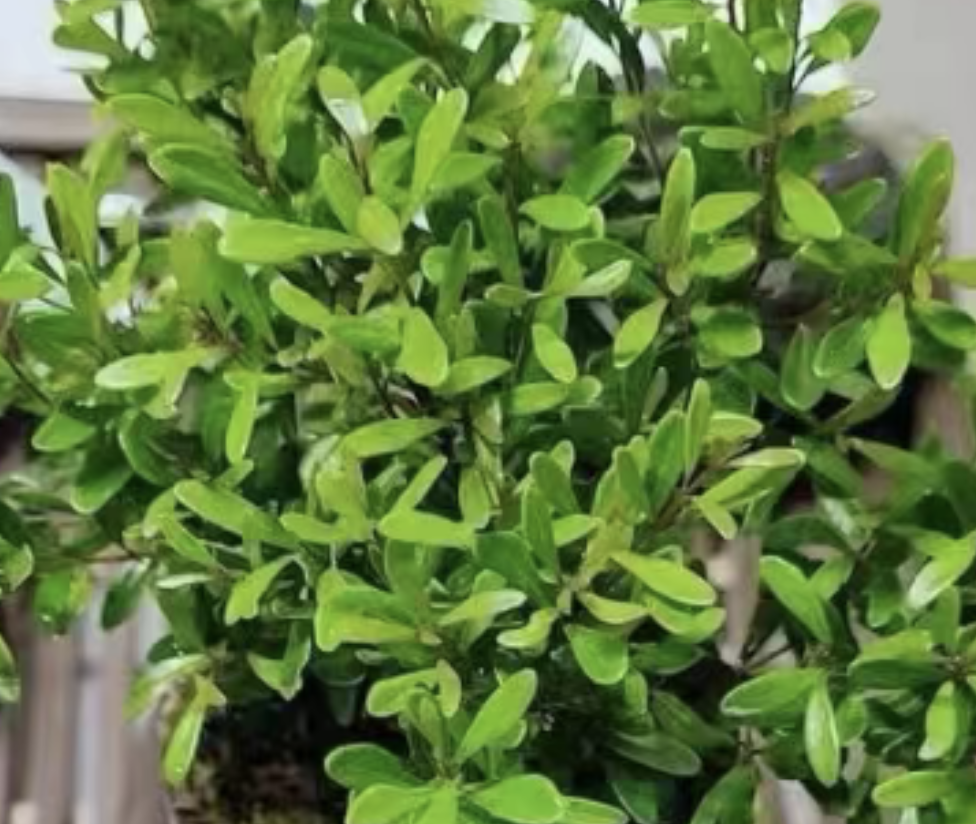
Having trouble with your small-leafed camphor tree (Cinnamomum camphora)? These 3 common diseases are most likely to show up
Is your small-leafed camphor tree looking a bit "droopy" lately? Maybe the leaves have spots, the branches are moldy, or the whole plant is wilting. Chances
-
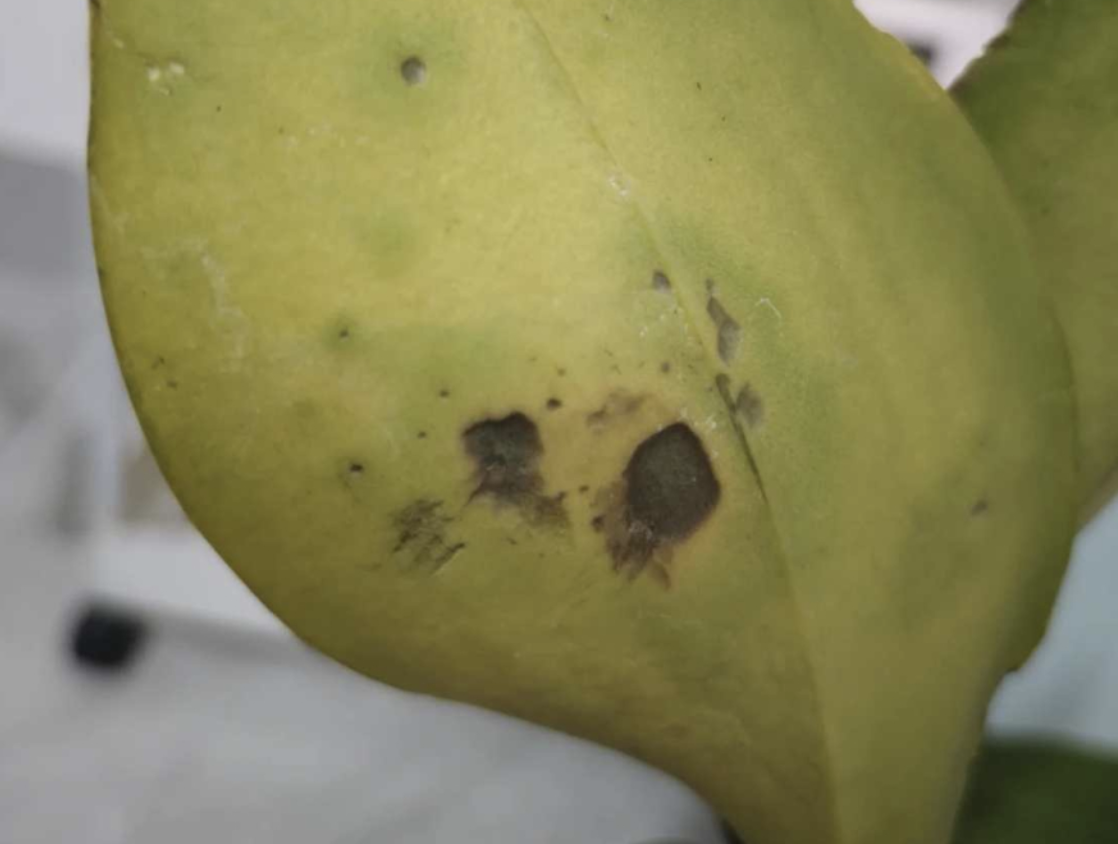
How can Phalaenopsis orchids prevent leaf diseases?
Many people complain in the comments that Phalaenopsis orchids are really hard to care for, especially when it comes to their leaves. They often show signs of
-
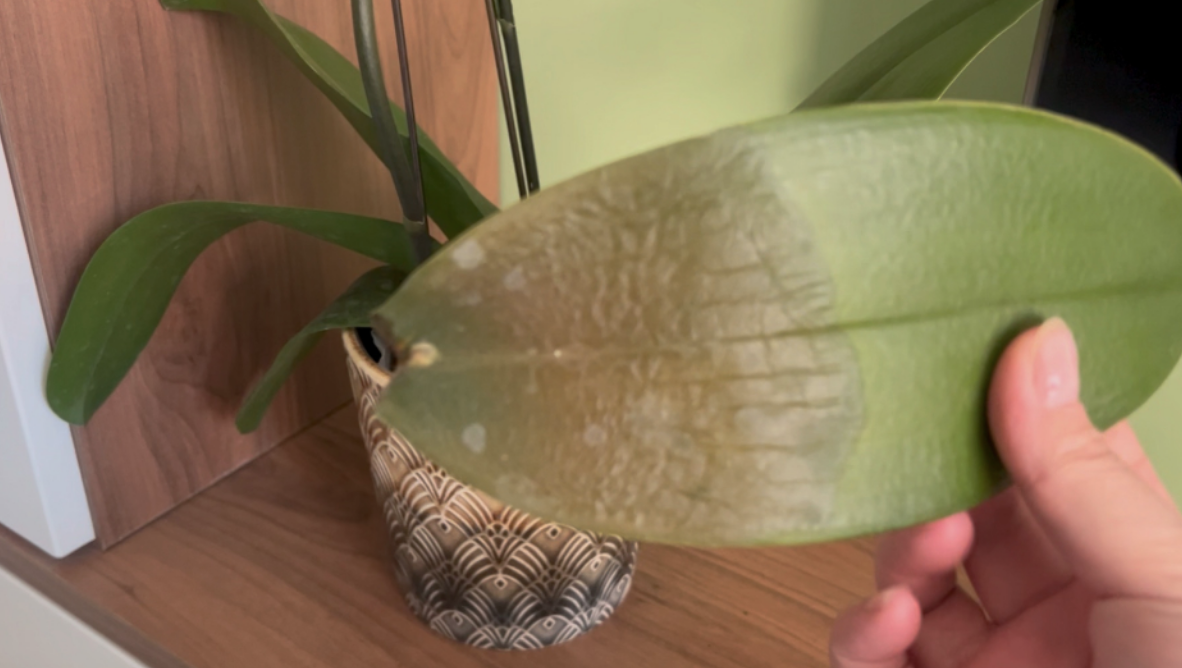
How to treat Phalaenopsis with leaf rot disease?
Today, let's talk about the most common "leaf rot disease" of Phalaenopsis in summer. Some people also call it "soft rot disease" or "water rot disease". This
-

Detailed Explanation of the Symptoms, Development Patterns and Control Methods of Orchid Leaf Spot Disease
Symptoms, Development Patterns and Control Methods of Orchid Leaf Spot Disease
-
Symptoms of Tomato (Lycopersicon esculentum) Leaf Curl Disease and Its Treatment Methods
Whether greenhouse tomatoes or open-field tomatoes, especially under high temperature and drought conditions, are prone to leaf curling with different symptoms. So what are the symptoms of tomato leaf curl disease? What pesticide to spray? How to prevent and control it? Tomato leaf curl can be divided into upward leaf curl and
-
Latest Tutorial on Techniques and Methods for Preventing and Controlling Pests and Diseases of Red Tip Photinia
Red tip photinia is the collective name for hybrids of the genus Photinia in the rose family (Rosaceae), named for its bright red new shoots and young leaves. It has many cultivated varieties. Common diseases include leaf spot, anthracnose and gray mold, and common pests include aphids, scale insects and longhorn beetles. Below we
-
A Detailed Guide to the Latest Control Methods for Rose Leaf Blight
Leaf blight is one of the common diseases of roses. An infected rose first develops lesions from the tip or edge of the leaf. As the disease progresses, the lesions grow from small to large in an irregular shape, and the color changes from reddish-brown to grayish-brown. Finally, the lesions merge into large dead patches. If
-
What are the latest control methods for tomato leaf mold?
Tomato leaf mold shows symptoms on the leaves, stems, flowers and fruits of tomatoes, but it most commonly occurs on the leaves. In the early stage, some chlorotic spots appear on the underside of the leaves, and later they turn into gray or dark purple irregular mold layers, while the upper surface of the leaf turns chlorotic and yellow at the corresponding
-
A Detailed Guide to the Latest Control Methods for Cucumber Leaf Blight
Cucumber leaf blight mainly damages the leaves. Symptoms on young leaves are not obvious. On mature leaves, yellowed areas appear on the leaf surface, along with deformed water-soaked chlorotic spots that gradually enlarge into nearly round or polygonal brown spots, 1-2 mm in diameter, surrounded by a chlorotic halo. On the underside of diseased leaves in the early morning
-
Detailed Explanation of the Latest Control Methods for Eggplant Leaf Mold
Eggplant leaf mold is one of the common diseases of eggplant, mainly damaging the leaves and fruits of eggplant. The pathogen is the deuteromycete fungus Mycovellosiella, which spreads through wind and rain for secondary infection. Planting too densely, closed growth between plants, high field humidity, or damage by whiteflies can easily induce
条件筛选