-
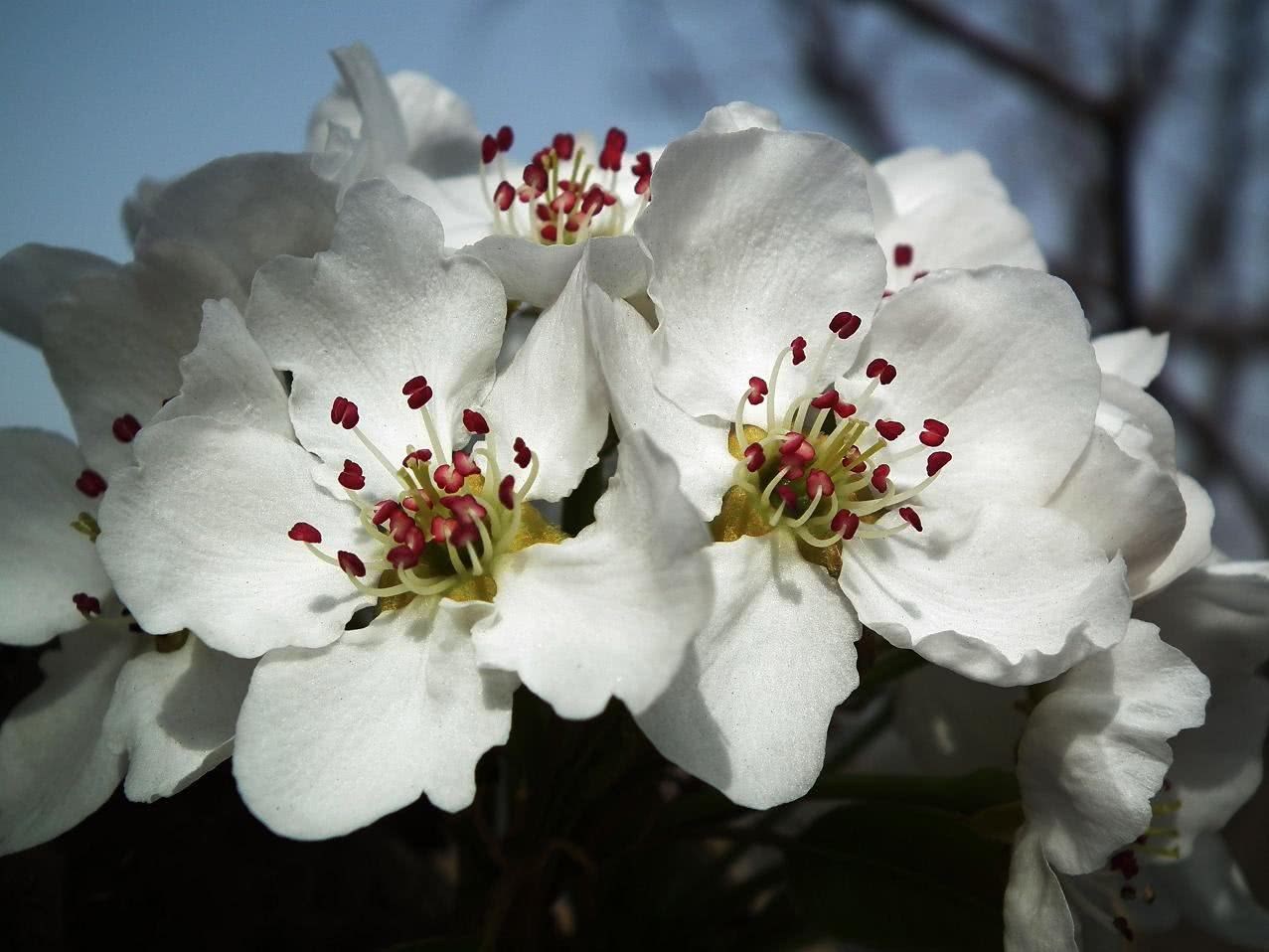
The flower language of pear blossoms is pure love, symbolizing innocent affection and a lifetime of companionship without separation.
Pear blossom, of the genus Pyrus in the rose family (Rosaceae), is the flower of the pear tree. The pear tree is a deciduous tree with leaves round like those of the large-leaved poplar, a trunk protected by thick outer bark, and branches spreading like an umbrella. It blooms in spring, with pure white flowers like snowflakes and a strong fragrance. Pear cultivation in our country has a history of about 2,000...
-
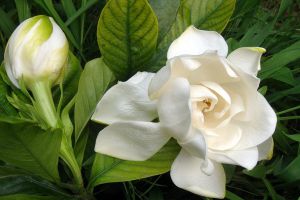
What does the blooming of a gardenia symbolize? A detailed explanation of the gardenia's flower language
When it comes to the symbolism of blooming, it is of course closely tied to its flower language. There are many folk sayings about its flower language. Some say it means "eternal love" and "a lifetime of waiting," while others say it means "joy," "purity," and so on. In addition, there are many legends about it, one of which is about an ancient city and a guardian goddess. This goddess's favorite flower was the gardenia. She violated the code of law, fell in love with someone, and came to have emotions. So the symbolism of the gardenia's blooming is also related to this story.
-
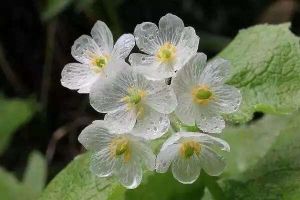
What is the flower language of the umbrella plant? Let us help you understand its symbolism
This flower is usually quite common in Japan. Its delicate flower shape gives it a crystal-clear look, so anyone who has seen this flower is drawn in by its color and form, and its flower language is also very warm and touching. This flower represents family affection, meaning a human touch, which makes the flower's charm even more apparent.
-

What is the flower language of Peperomia obtusifolia? A detailed introduction to its symbolism
Its flower language symbolizes fairness and justice, and also represents a sense of persistence and faith, making it a flower with very good meaning. What troubles many office workers most is not the daily workload, but having to face a computer every day, and radiation can affect health. Keeping a pot of it can alleviate these problems.
-
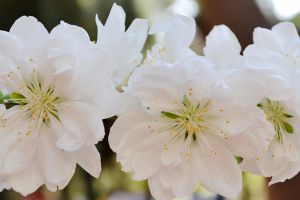
Top 10 Flowers with the Saddest Flower Language in the World
Every flower has its own language, which people call flower language. Just as people have joys and sorrows, flowers also have different emotions, which they express through their flower language. So do you know which flowers have the saddest flower language in the world?
-

-
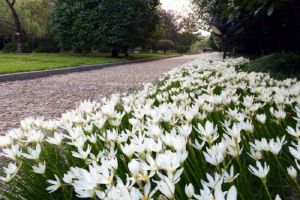
What is the flower language and symbolic meaning of autumn zephyrlily (Zephyranthes candida)?
Its flowers carry two layers of meaning: one represents first love, and the other represents a love that grows old together. It usually blooms from July to September, and each flower stays open for two to four days; normal care after flowering is all that is needed.
-
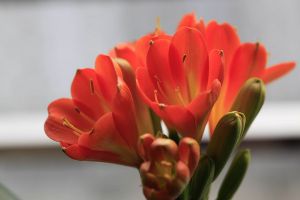
What are the flower language and symbolic meaning of the clivia (Clivia miniata)?
When it comes to its flower language, most people can probably guess it easily, right? Just by looking at its name, you can understand. It is, of course, related to the "junzi" (gentleman). Specifically, its flower language is "the modest gentleman," "gentle and courteous," and so on. As for its symbolic meaning, this has a great deal to do with its appearance. Because its leaves are tall and upright, its symbolic meaning includes such elements as "firm and resolute" and "unbending." Of course, that is not all; the details are introduced below.
-
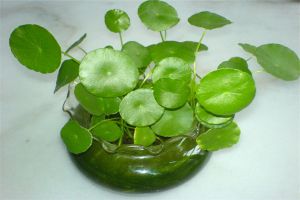
What are the flower language and symbolic meaning of money plant (Chinese coin grass)?
What is the flower language of money plant (Chinese coin grass)? Surely everyone can tell just from its name. That's right, it symbolizes abundant wealth, prospering fortunes, attracting wealth and bringing in treasure, and earning a fortune every day. This is not only because of its name, but also because its appearance closely resembles the copper coins of ancient times. People believe this plant has a connection to wealth, so they named it accordingly.
-
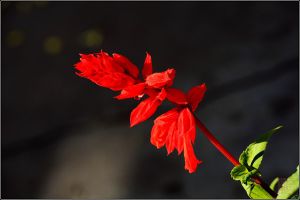
What is the flower language and symbolism of scarlet sage?
This plant is also called "firecracker red," "ivory red," "Western red," and so on. No matter which name it goes by, it always contains the word "red." Why is that? It's actually very simple; just look at a picture of it and you'll understand. Its clusters of flowers are all bright red. How much do you know about its flower language? If you don't, take a look below.
条件筛选