-

Guide to Selecting and Using Insect-Killing Lamps in Facility Agriculture: Principles, Installation, and Key Points for Buying Second-Hand
Insect-killing lamps are common equipment for green prevention and control in facility agriculture. This article introduces their trapping and killing principles, installation and use methods, and the key points for inspecting the machine when buying a second-hand insect-killing lamp, helping growers avoid wasting money.
-
How much does a self-propelled orchard picking platform cost? Key factors affecting quotes and purchasing points
The self-propelled picking platform is important equipment for mechanized harvesting in orchards. This article introduces its working principle, applicable scenarios, main factors affecting quotes, and key purchasing points, and reminds buyers to pay attention to agricultural machinery subsidies and after-sales service, helping fruit growers choose the right model reasonably and avoid wasting money.
-
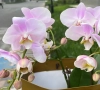
What are the signs of insufficient light in Phalaenopsis orchids? Here's how to handle it correctly
These days, office workers love growing greenery at their desks to relieve stress, and the elegant, easy-to-care-for Phalaenopsis orchid is a favorite for many! But if you don't pick the right spot with proper light at your desk, Phalaenopsis orchids can easily "throw a tantrum," showing poor growth, yellowing leaves, and dropping buds, which is distressing to see and ruins your stress-relieving mood. Don't panic; first understand the specific signs of insufficient light
-

What does "leaf-center spike" mean in Phalaenopsis orchids, and how should it be handled?
Fellow Phalaenopsis growers, have you ever suddenly noticed one day that the center of your plant seems to have been "locked" by something? The new leaf curls into a sharp little cone, stiffly stuck in the middle, and no matter what, it just won't unfurl? -- Congratulations, you may have encountered the legendary "leaf-center spike"! Don't let the name scare you; it's actually not that
-
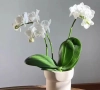
Why Are the New Leaves of Your Phalaenopsis Orchid Splitting, and How Should You Handle It?
Phalaenopsis orchids (moth orchids) are elegant and beautiful, but when the new leaves suddenly split, it really ruins their looks! In fact, it is mostly due to a few care details being done poorly. Today I will help you pinpoint the causes, with simple solutions attached. Cause 1: The environment is too dry. Phalaenopsis orchids like moisture; when the air humidity drops below 50%, the new leaves lose water and become brittle, making them easy to "split open," especially in warm
-
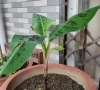
Can You Grow a Mango Seed? Planting Methods and Tips for Handling Sprouted Mango Seeds After Water Cultivation
Who hasn't tried growing a houseplant from a mango seed? As someone who went from "plant killer" to "plant whiz," I sincerely recommend it to all beginners: want to get into growing plants? Starting with a mango seed is definitely the way to go! Zero cost, easy to care for, and watching it grow from a hard pit into lush green leaves gives you a sense of accomplishment that's off the charts.
-

Why Tomatoes Develop Stunted Fruit After Flowering and How to Handle It
Your tomato plants have flowered and set fruit, yet one by one the fruits just sit there on the vine without growing? Those small, hard, stunted fruits are a depressing sight. You clearly haven't skimped on watering or fertilizing, so where exactly is the problem? Today let's talk about the causes of stunted tomato fruit and how to solve them. Why do perfectly good fruits end up "frozen" in place? In fact, stunted tomato fruit is mostly
-
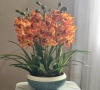
Reasons for Softening Leaves in Phalaenopsis Orchids and How to Handle It
Today I will teach you how to effectively solve the problem of Phalaenopsis orchid leaves suddenly going soft during care, so that your Phalaenopsis orchid regains its vitality and blooms with beautiful flowers. 1. Soft rot Soft rot is a common disease of Phalaenopsis orchids, and once it strikes, it spreads quickly. Symptoms: small water-soaked spots first appear on the leaves, and within just a few days they will
-
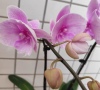
How to deal with old root rot in Phalaenopsis? Here's the best way to handle it
When growing Phalaenopsis, old root rot is the worst problem you can run into. Once you notice the roots turning black and mushy, don't worry - below we'll show you how to deal with old root rot in Phalaenopsis, along with everyday care tips. 1. Emergency treatment for old root rot in Phalaenopsis. 1. As soon as you spot root rot, stop watering immediately so the roots don't stay soaked. Carefully take the Phalaenopsis out of the pot, and you can gently shake the plant so the medium falls away naturally; if the medium is packed tight, use scissors to separate it along the pot wall to reduce root damage.
-

How to judge the quality of Phalaenopsis potting medium and tips for handling mold
When growing Phalaenopsis, the choice of potting medium is crucial, as it directly affects the plant's growth. To help Phalaenopsis thrive, in addition to suitable light, temperature, and humidity conditions, a high-quality potting medium is equally indispensable. So, how do you judge whether a Phalaenopsis potting medium is good or bad? And what should you do if the potting medium becomes moldy?
条件筛选