-
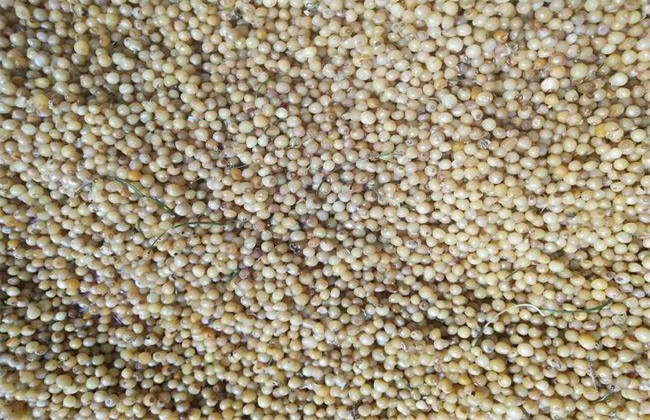
How can the germination rate of Polygonatum seeds be improved?
How to improve the germination rate of Polygonatum seeds
-

Angelica sinensis with shade net coverage: high yield increase and quality improvement benefits
The shade cultivation technique for Angelica sinensis starts from the three-leaf stage of its growth (that is, from mid-May to early August after summer begins, when temperatures are high and light is intense). A shade net with a 50% shading rate is timely placed over Angelica sinensis, providing a suitable micro-environment of moderate temperature, weak light, and moisture that mimics its original ecological growing conditions. By lowering temperature, increasing humidity, and reducing light, it reduces the early bolting rate of Angelica sinensis in dry flatland cultivation to about 30%; moreover, shade cultivation of Angelica sinensis also helps prevent and reduce pest and disease damage, thus improving the quality of Angelica sinensis.
-
How should Schisandra chinensis seedlings be planted to improve the survival rate?
Some people, when planting seedlings, just drop the seedling into the hole and cover it with soil, and that is it. This planting method is not good and affects the survival rate. The normal way to plant a seedling is to smooth the bottom of the dug hole with your hand, spread the seedling roots out to 120° when planting, and make sure all the roots are in close contact with the soil, firm it down, and water thoroughly. When planting Schisandra chinensis in autumn, prune the seedling to leave 3-5 buds, and after planting bury all the buds in soil; the top of the seedling should be covered with 4 cm of soil. When it is about to sprout in spring, remove the soil, or leaving the soil in place is also fine, letting the buds emerge from the soil. Remember, under no circumstances should you remove the soil after the buds have sprouted but before they have emerged,
-
Six Methods to Improve Licorice Germination Rate
Licorice is a perennial herbaceous plant of the Fabaceae family, with its dried roots and rhizomes used as medicine. It has the effects of tonifying the spleen and replenishing qi, resolving phlegm and relieving cough, clearing heat and detoxifying, relieving urgency and stopping pain, harmonizing the properties of various medicines, and neutralizing the toxicity of a hundred medicines. Licorice is not only a major medicinal material, but also an excellent calorie-free sweetening additive in food, and an important auxiliary material for cigarettes and other industries, so the demand for licorice is growing ever larger. As natural licorice resources are increasingly depleted, artificial cultivation is necessary. Due to reasons such as the dense structure of the licorice seed coat and protein dehydration and denaturation, cultivating licorice suffers from problems such as slow germination, uneven germination, and low germination rate.
-
What are the methods for breeding improved varieties of Schisandra chinensis?
Schisandra chinensis is a plant of the Magnoliaceae family and a valuable medicinal herb, with effects of astringing the lungs, nourishing the kidneys, stopping sweating, stopping diarrhea, and securing the essence. Schisandra chinensis prefers a humid environment (but does not tolerate waterlogging), is cold-resistant, needs moderate shade, and is suited to humus soil or loose, fertile loam. It has strong adaptability and can be grown in both northern and southern China. It often grows wild in coniferous and broad-leaved mixed forests, mountain gullies, along stream banks, among small trees and shrubs, or at forest edges and in open areas within forests. Methods for breeding improved varieties 1. Seed propagation. After the fruits are harvested in autumn, remove the flesh and wash out the seeds, then dry and store them.
-

Methods to Improve the Germination Rate in Licorice Cultivation
Methods to Improve the Germination Rate of Licorice
-

What are the methods to improve the survival rate of Schisandra chinensis seedlings
How to improve the survival rate of Schisandra chinensis seedlings
-

How to Improve the Survival Rate of Bletilla striata Planting? Master These Methods
How to Improve the Survival Rate of Bletilla striata Planting
条件筛选