-
To make money raising goats on a large scale, these key points cannot be ignored
Summary: Goats do have a relatively strong natural resistance to disease and generally do not fall ill easily. Even when they do get sick, the early stage of the illness is often hard to detect, and once...
-
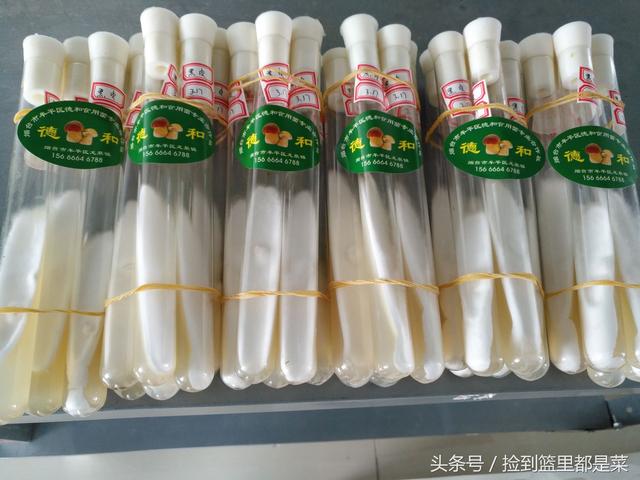
Why can't the pH of mushroom culture media be ignored?
The basis for mushroom growth is a suitable culture medium, and among the various parameters of the culture medium, pH is a very important one. For most mushrooms, the mycelium can grow at pH...
-
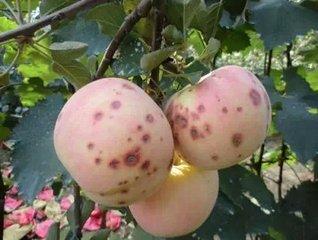
What to do about calcium deficiency in apples? Calcium supplementation for fruit trees cannot be ignored
Did you know that apples can also be deficient in calcium?
-

Three major problems rural areas are about to face cannot be ignored
Soon, rural areas will have three big troubles!
-

The hidden concerns behind the low-price competition of domestic fruits cannot be ignored
Hidden concerns in the low-price competition of domestic fruits
-
When migrant workers integrate into cities, psychological reconstruction cannot be ignored
Migrant workers' integration into cities requires attention to psychological reconstruction
-

What are the precautions for growing Schizonepeta? These points cannot be ignored
Precautions for growing Schizonepeta
-
The impact of fertilizer damage on cotton production cannot be ignored
In recent years, while promoting new cotton varieties and providing technical services in cotton-growing areas, we have frequently encountered problems caused by farmers' mistakes in fertilizer application. First, when preparing soil for cotton nutritional-pot seedling raising, some applied too much farmyard manure or chemical fertilizer to the pot soil, so that after sowing, some cotton seeds rotted or the seedlings died; in some cases, although emergence was fairly uniform, root burn and seedling death followed. Second, after the cotton seedlings emerged in the seedbed, excessive application of water-soluble flush fertilizer scalded and scorched both cotyledons of the cotton seedlings. Third, when applying base fertilizer before transplanting cotton pot seedlings, some broadcast chemical fertilizer into the plow furrow, or applied chemical fertilizer into the pot holes, without separating the pot seedlings' root system from the applied fertilizer with fine soil; after transplanting, the cotton seedling roots came into direct contact with the chemical fertilizer, and the young roots and young stems turned brown or black after fertilizer damage. In mild cases, the cotton seedlings became stunted and did not grow; in severe cases, the young seedlings withered and died. Fourth, during the bud stage, excessive single application of nitrogen fertilizers such as urea or ammonium bicarbonate, or excessive input of high-efficiency multi-element compound fertilizer, with no regard for cost and a blind pursuit of building a high-yielding cotton framework early, resulted in excessive vegetative growth, premature row closure, severe shading in the cotton field, and serious outbreaks of pests such as mirids, causing massive shedding of buds and bolls. This phenomenon was especially common in rainy years. Fifth, during the flowering and boll stage, some rushed to broadcast urea before heavy rain arrived. Urea dissolved very quickly upon contact with rain, and the fertilizer concentration in the cotton field suddenly increased. After the rain, the weather suddenly cleared, cotton leaf transpiration was high, and water in the cotton plant rapidly underwent reverse osmosis and severe water loss, so that the lower stems and leaves of the cotton plant appeared scorched; in severe cases, the entire cotton plant withered and died and could no longer be saved.
-
The harm of influenza virus during bovine pregnancy must not be ignored
Bovine influenza is an acute febrile infectious disease, characterized by strong transmissibility, rapid spread, fast progression, and a fierce onset. As long as one cow in the herd is infected, most cattle will be infected and fall ill within a short period, especially during the spring and autumn seasons when the climate changes drastically and cold and heat fluctuate greatly, when the incidence rate is higher. Unsanitary, cold and damp cowsheds, poor feeding and management, exposure to wind or the shock of drinking cold water, and a decline in the cattle's resistance all make influenza more likely to be triggered. According to statistics, during the winter and spring influenza epidemics in Muling City, Heilongjiang Province over the past two years, the incidence rate among dairy cows reached 1
-
Pigs' drinking water cannot be ignored; raising pigs well requires attention to proper drinking water
Water is an important substance for the life activities of all animals. Pigs are no exception. In pigs, all life and physiological activities, including the digestion and absorption of nutrients, excretion of waste, blood circulation, respiration, and regulation of body temperature, depend on water. Once a pig's body lacks water, its life and physiological activities will be affected, leading to poor digestion and absorption of pig feed, thicker and more concentrated blood, elevated body temperature, and so on, which reduces feed conversion efficiency, increases feeding costs, and lowers breeding profitability. At the same time, it can also hinder pig growth and development and trigger various diseases. 1. Pig drinking water
条件筛选