-

What to Do If a Dog Has a Cold? Symptom Identification and Prevention and Treatment Methods
[Causes] The main cause is exposure to cold, and it is even more likely to occur when feeding and management are improper. For example, sleeping outdoors on cold nights, lying on cold ground for long periods, exposure to drafty wind, being rained on after heavy sweating, or being stimulated by cold water when wading across rivers, and being kept in a cold, damp environment for a long time can all lower the resistance of the upper respiratory tract mucosa and promote the occurrence of this disease. [Key Diagnostic Points] The sick dog is depressed, listless in expression, has uneven skin temperature, and the ear tips and nose tip are cool. The conjunctiva is congested or mildly swollen, with tearing, and body temperature is elevated,
-
Identification and control methods for the copper-green chafer
[Control methods] (1) Controlling adults The adults of the above several species of chafers all have the habit of supplementary feeding, mainly feeding on the leaves of trees, fruit trees, legumes and other crops. On young fruit trees, manual control can be used to capture adults to reduce damage. (2) Chemical control 2.5% trichlorfon powder can be used, broadcast at 30 kg per hectare on field crops. 40% dimethoate or omethoate emulsifiable concentrate at 1000 times dilution, or 20% fenvalerate 300
-
Identification Methods and Control Techniques for Tea Geometrid Moths
Geometrid moths, commonly known as inchworms, are insects of the order Lepidoptera, family Geometridae. There are many species of geometrid moths in tea gardens, mainly the tung tree geometrid, the silver geometrid, the grey geometrid and the camellia geometrid, among which the tung tree geometrid occurs most frequently. The tung tree geometrid, also called the large geometrid, is the largest geometrid species occurring in tea gardens. Its larvae cause damage, with a large appetite and many host plants; in severe cases they eat all the buds and leaves of the tea garden, leaving bare stems. The adult of this insect is silvery grey, with a body length of 20-25 mm and a wingspan of 50-70 mm. The wing surface is densely covered with small black dots, the forewings have 3 relatively distinct yellow
-
Identification and control of the Pinellia ternata hawk moth
It occurs in summer; the larvae chew and feed on the leaves, and in severe cases they can eat all the leaves bare. Control methods: (1) Spray with 800-1000 times dilution of 90% trichlorfon crystal, once every 5-7 days, for 2-3 consecutive applications. (2) Hand-pick the insects.
-
Identification and Control Methods of Southern Blight in Japanese Euonymus
Southern blight in Japanese euonymus is caused by a fungus and is characterized by being highly destructive and spreading rapidly. If not controlled properly, it can cause the death of all seedlings. Based on past work, we have summarized the characteristics and control methods of southern blight in Japanese euonymus. Symptoms: In the early stage of the disease, the stem or leaf base near the soil turns brown and rots. After a few days of sun exposure, white silky mycelium appears on the diseased parts and soil surface, spreading radially through the rhizosphere soil. Later, brown, rapeseed-shaped small sclerotia grow on the stem near the soil surface, often causing the death of the entire plant.
-
Identification and Control Methods of the Pryeria sinica Moth on Japanese Euonymus
Scientific name: Pryeria sinica Moore. Morphological characteristics: The adult moth has a body length of about 12 mm and a wingspan of about 30 mm. The head, thorax and antennae are dark brown. The male moth's antennae are feathery, while the female's are pectinate. There are long orange-yellow hairs on the thorax dorsum and both sides of the abdomen. The forewings are semi-transparent, but the basal 1/3 of the wing is yellow, the rest is dark gray, and the veins are dark brown. The hindwings are yellow at the base. The eggs are oval and flat, initially yellowish-white, gradually turning light brown. The larva is about 20 mm long, with a small dark brown head and a yellow-green body, with sparse white fine hairs on the sides and back.
-
How to distinguish male from female pigeons? These identification methods are simple and practical
There is the body shape identification method: male pigeons are larger in body shape, with a broad top of the head and two feet slightly raised, and a thick, short, and relatively hard neck; female pigeons have a compact and graceful body structure, an elongated whole head, eye rings close to the head, smaller beak cere, and a slender, relatively soft neck. The temperament identification method: male pigeons have a majestic bearing, are active and aggressive, and make cooing calls; female pigeons have a gentle and quiet bearing, are not aggressive, have weaker resistance, and do not peck or only make low muffled cooing sounds. The feather identification method: the thicker the neck feathers of male pigeons, the more they show a purple-green metallic luster and are relatively bri
-

What are the common symptoms of chicken diseases? Understanding the key identification points in one article
Some common symptoms of chicken diseases
-
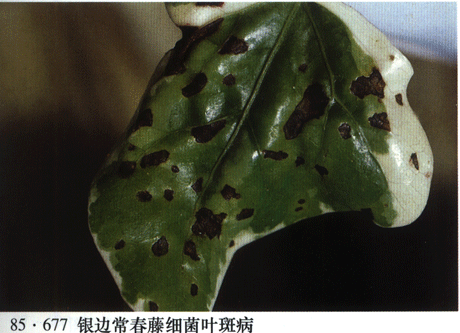
Symptom Identification and Control Methods for Ivy Leaf Spot Disease
Symptoms and pathological changes: In the early stage of the disease, very small round dark spots appear on the leaf surface, with oily-looking halos. They later enlarge and turn black. Some become polygonal, and sometimes brown deposits surround the lesions; occasionally canker spots also form on the petioles. Infected leaves generally do not drop off. The disease overwinters in the diseased tissue
-

Symptom Identification and Control Methods of Camellia Anthracnose
Symptoms and pathological changes: Mainly damages leaves. Diseased leaves have round or irregular brown to grayish-brown lesions, with darker edges or yellow halos; some lesions are grayish-white, and leaf spots are sunken or have dark edges. On the lesions, concentric-ringed or scattered small black spots appear
条件筛选