-
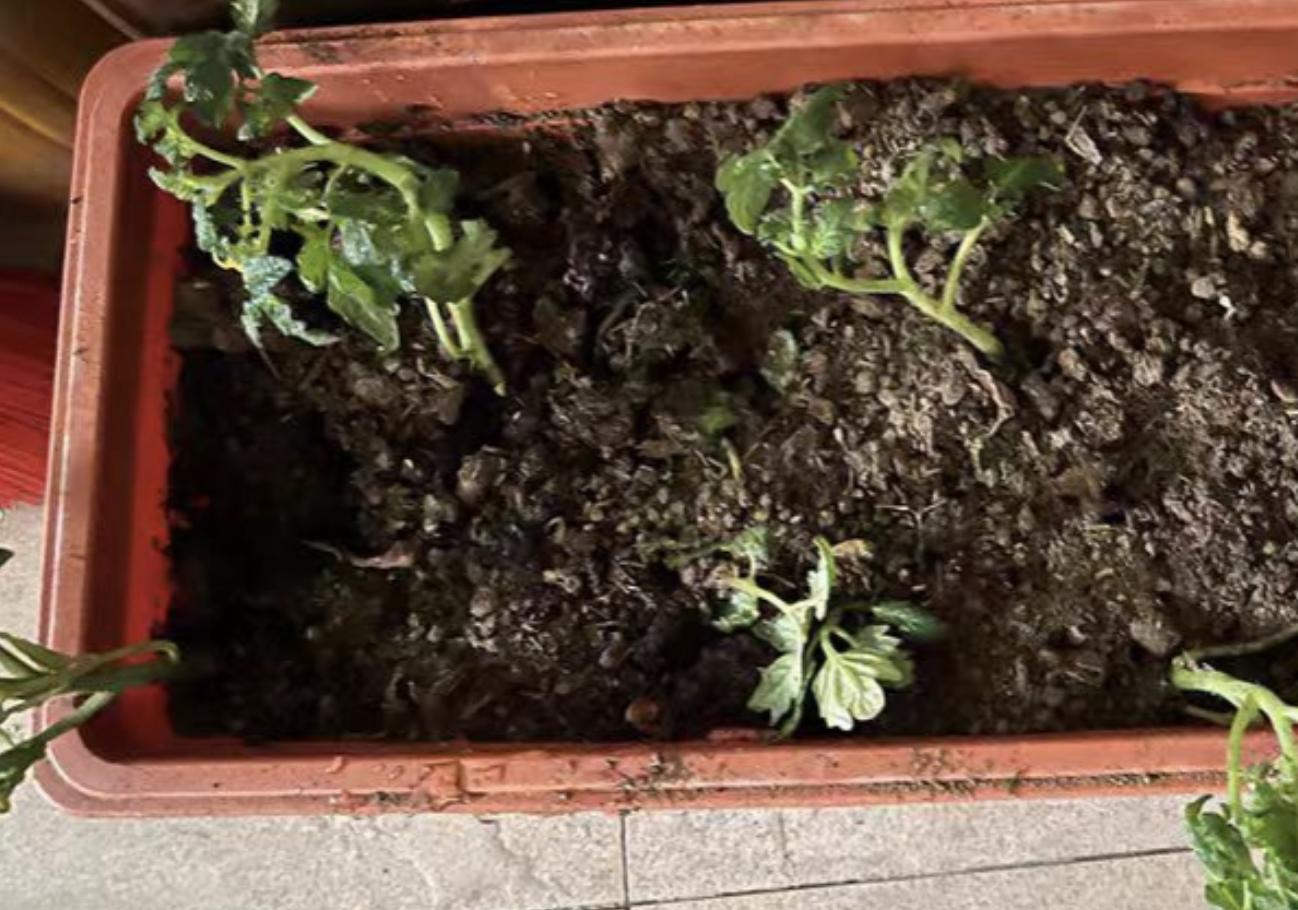
How many days after transplanting tomatoes is it appropriate to water with settling water?
Tomato growers may have experienced this: after transplanting tomato seedlings into the ground, they’re constantly thinking about when to water — when is the
-

How many days should Phalaenopsis be sun-dried after repotting?
Friends who grow Phalaenopsis must have encountered the need to repot their plants. Common questions include: how to handle the plant after repotting, whether
-

How many days does it take for Phalaenopsis to grow roots during root induction, and how long before potting?
In the process of caring for Phalaenopsis, root induction and potting are two crucial steps. So how many days does it take for Phalaenopsis to grow roots during root induction? How long after root induction is it suitable for potting? The root induction process of Phalaenopsis is essentially the process of its root system regrowing. This process is affected by many factors, including temperature, humidity, light
-
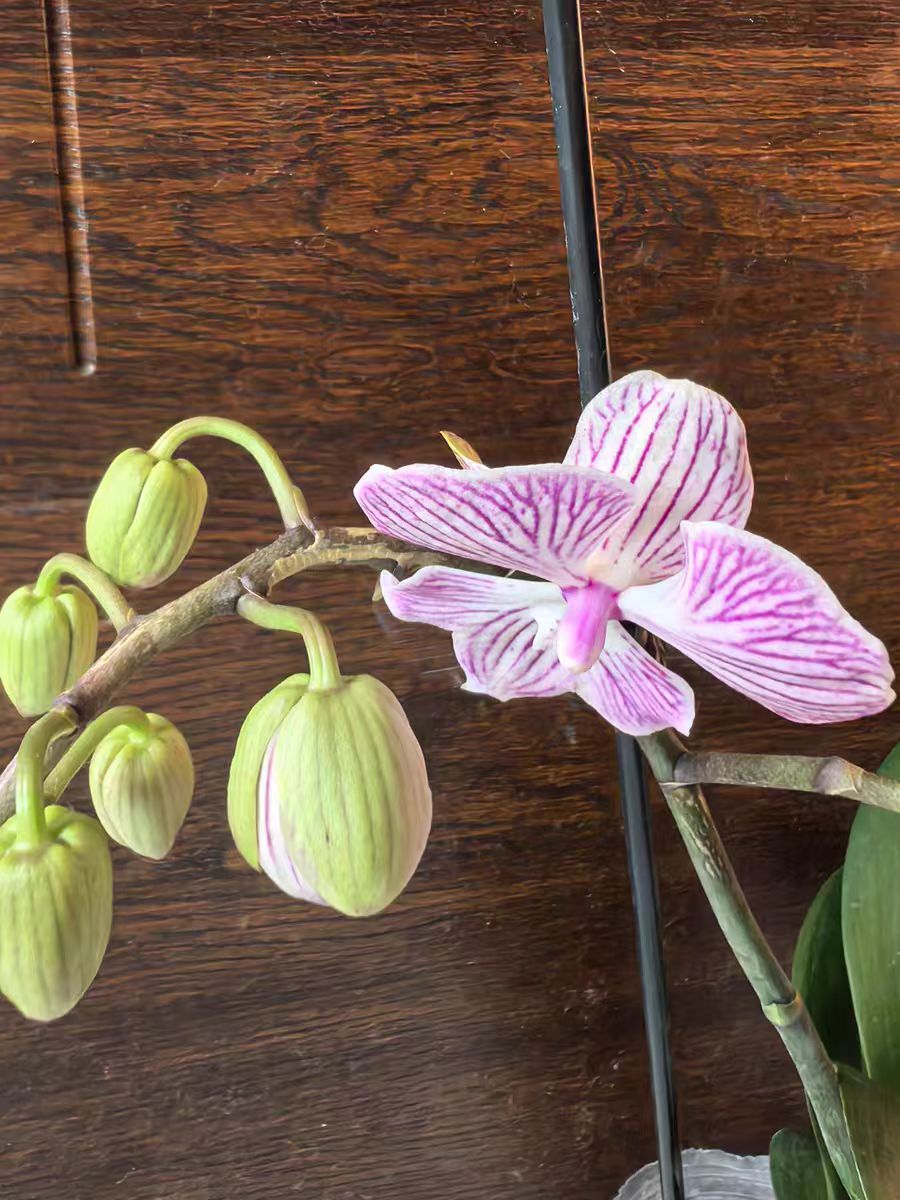
How many days does it take for Phalaenopsis to sprout roots during the root induction process?
During the process of maintaining Phalaenopsis, root induction and potting are two crucial steps. So, how many days does it take for Phalaenopsis to sprout
-

What does "acclimatization" mean for Phalaenopsis orchids, and how many days does it take?
Acclimatization, a term especially important in plant care, is all the more so for the delicate Phalaenopsis orchid. It refers to gradually moving a plant from one environment to another different environment; through this process, the plant can gradually adapt to the conditions of the new environment, thereby reducing the growth stress caused by sudden environmental changes.
-
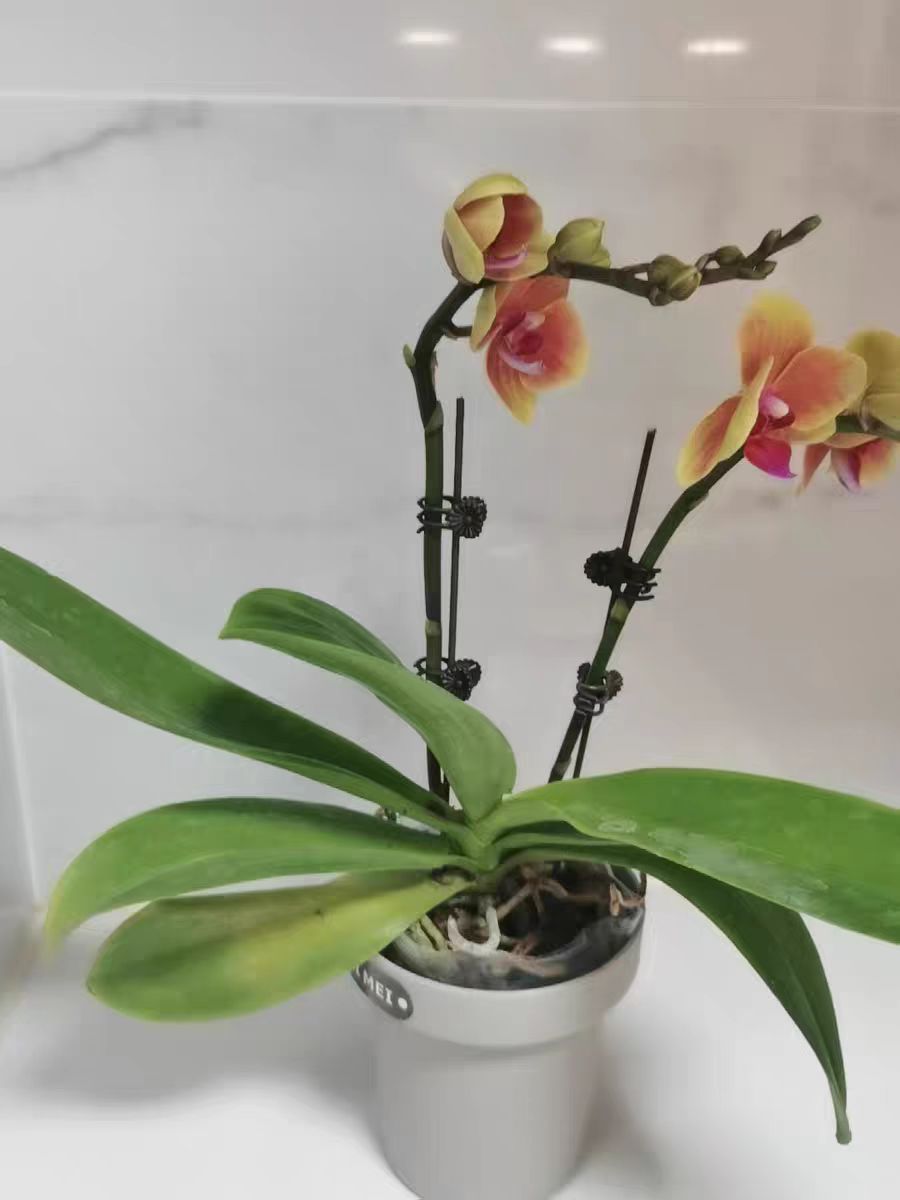
What does it mean to acclimate phalaenopsis? How many days does it take to acclimate phalaenopsis?
The term "acclimation" is of great significance in plant care, especially for delicate phalaenopsis. It refers to the process of gradually transferring a plant
-

What does golden mille-feuille symbolize? It means "gold rolling in daily," so how do you care for it at home and how many days does it bloom?
Today I'm sharing a foliage plant called "golden mille-feuille" that suits all kinds of home decor styles. Although its name contains the word "gold," it isn't all gold - it has gradient colors of green, gold and orange, giving the overall look a Maillard color palette feel, and it also has a faint pine fragrance. Golden mille-feuille has excellent symbolism, with
-

How many days can a rose bouquet be kept without wilting? A detailed guide to rose preservation methods
On 520, many girls must have received quite a few fresh flowers, and when it comes to how to handle the flowers afterward, many girls may not know where to start. In fact, as long as the fresh flowers received are cared for properly, they can still be kept for a period of time. Below, let us take a look at how roses should be handled after receiving them so they can be preserved.
-

Where to buy Bermuda grass seeds and how many days until they sprout? Plus sowing methods
Bermuda grass belongs to the genus Cynodon in the grass family, a Cynodon dactylon lawn, bred in the United States in the 1990s and introduced into China. Because it grows extremely fast, has outstanding drought and trampling tolerance, and forms a robust and dense turf that weeds find hard to invade, it is now widely planted in our country and
-
At what size do crucian carp spawn, and how many days does it take for the eggs to hatch into fry?
Crucian carp, commonly known as crucian, with local names such as jiguazi, yuejizai and tuji, can produce many new varieties through artificial breeding and selective breeding. So at what size do crucian carp spawn? How many days does it take for the eggs to hatch into fry? According to farmer Mr. Zeng, the gonads of crucian carp mature earlier than those of other fish; fish in their second year can spawn, and they continue to grow in size while spawning. One-year-old crucian carp can already spawn. Moreover, the spawning period is long, lasting from spring all the way to autumn, and the number of eggs laid is large; the eggs are laid on aquatic plants or other objects in shallow water. The strong reproductive capacity of crucian carp is an important reason why it is widely distributed and abundant. There is another point: crucian carp still forage for food during the spawning period, which is different from other fish. <p style="text-align: center;"></p> <p style="text-indent:2em;"><span style="color:#FF0000">How many days does it take for the eggs to hatch into fry?</span></p> <p style="text-indent:2em;">Generally, it takes 3—7 days from the laying and fertilization of the eggs to the hatching of the fry. If the average water temperature is 15—20°C, the hatching time is 5—7 days; if the average water temperature is 20°C, the fry can hatch in 4—5 days; if the average water temperature is 20—25°C, only 2—3 days are needed. In short, the lower the water temperature, the longer the hatching time.</p> <p style="text-align: center;"></p> <p style="text-indent:2em;"><span style="color:#FF0000">Crucian carp farming techniques</span></p> <p style="text-indent:2em;">1. Pond conditions</p> <p style="text-indent:2em;">Crucian carp has the habits of liking to gather in groups, burrowing into mud, and leaping upstream to escape. The pond area for mainly farming crucian carp should not be too large; generally about 2 mu is suitable, and it should not exceed 4 mu. The pond bottom should be relatively hard, generally with a mud thickness within 10 cm; when it exceeds 10 cm, the mud must be cleared to facilitate the catching (catching) of crucian carp. The pond embankment should be solid and not leak water, and sturdy and reliable fish-blocking screens should be installed at the water inlet and outlet. The fish-blocking screen should be 50 cm higher than the highest water level of the pond.</p> <p style="text-indent:2em;">2. Variety selection</p> <p style="text-indent:2em;">At present, there are many crucian carp varieties sold on the market, and it is inevitable that good and poor ones are mixed. Practice has proved that allogynogenetic silver crucian carp and high-back allogynogenetic silver crucian carp (abbreviated as high-back crucian carp) are suitable for main farming, and their growth speed is 2 times and 3 times faster than ordinary crucian carp respectively. Allogynogenetic silver crucian carp and high-back crucian carp are similar. The differences between allogynogenetic silver crucian carp and ordinary crucian carp are: allogynogenetic silver crucian carp has 31-32 scales along the lateral line, while ordinary crucian carp has 28-29; allogynogenetic silver crucian carp and high-back crucian carp have the same number of lateral line scales, but high-back crucian carp has a short head, high back, thick body, and round abdomen.</p> <p style="text-indent:2em;">3. Stocking density</p> <p style="text-indent:2em;">From the perspective of farming economic benefits, if the stocking number exceeds 2000 fish/mu, although a higher yield can be obtained, the individual commercial fish raised are small, the selling price is low, and the benefit is not ideal; if the stocking number is less than 1000 fish/mu, although the individual commercial fish are larger, the total yield is not high and the sales income is low. Stocking 1400 fingerlings of 30 grams each per mu or 1200 fingerlings of 50 grams each per mu, with an appropriate amount of silver carp, bighead carp and summer grass carp, with the total number of mixed fish not exceeding 600, can achieve a net yield of more than 500 kg of crucian carp and about 200 kg of other fish, giving an ideal effect.</p> <p style="text-indent:2em;">4. Water quality management</p> <p style="text-indent:2em;">The calcium and phosphorus content in the body of crucian carp is more than 2 times that of other fish, so the water is required to be rich in calcium and phosphorus to meet the physiological needs of crucian carp. Apply quicklime solution once about every 20 days, with 60 kg per mu each time; apply superphosphate once every 15 days, with 15-20 kg per mu each time. Superphosphate can only be applied 3-5 days after applying quicklime, to prevent the water from being too alkaline and reducing the effect of phosphate fertilizer.</p>
条件筛选