-
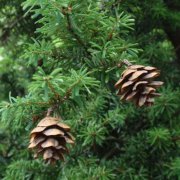
Canadian Hemlock: Characteristics, Pictures, and Health Benefits
Hemlock is a plant in the genus Tsuga of the pine family Pinaceae. Its main characteristics are dark gray bark that sheds in blocky flakes, leaves that are linear in shape and arranged in two rows, a tower-shaped crown, and slightly drooping branch tips. The flowering period is in April, and the cones mature in October. Hemlock is a species endemic to China
-

Diagnosis and Treatment of Livestock Poisoning by Water Hemlock
Water hemlock, commonly known as wild celery, is a perennial plant of the Apiaceae family that prefers growing in moist, low-lying areas. Its toxicity is mainly concentrated in the roots and stems, and the toxic component is the alkaloid cicutoxin. Because water hemlock sprouts earlier and grows faster than other plants in spring, when grazing in low-lying areas in early spring, cattle and sheep are the first to spot the young water hemlock seedlings and immediately eat them, and they also gnaw off the rhizomes exposed above the ground. Since its rhizomes have a slightly sweet taste and are favored by cattle and sheep, poisoning occurs once a certain amount is consumed. 1. Clinical symptoms: Sudden onset during grazing, presenting with restlessness and agitation, rapid breathing, ruminal bloat, and abdominal pain
-
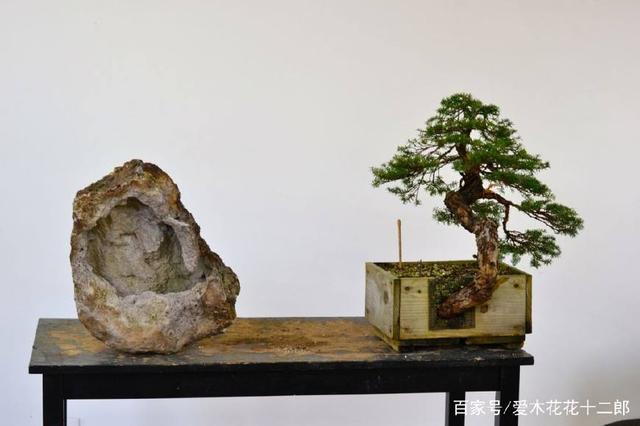
How to make a hemlock rock-planted bonsai? A master demonstrates the whole process
Rock-planted bonsai, using rock as the pot, has a distinctive charm and is deeply loved by bonsai enthusiasts. In fact, making a rock-planted bonsai is not difficult, but keeping it alive long-term does require some experience. Today let's look at a beautiful rock-planted bonsai...
条件筛选