-

How to Plant Heavenly Bamboo Seeds? A Step-by-Step Guide to Sowing and Raising Seedlings
Heavenly Bamboo is Nandina domestica, a common ornamental plant in daily life, very popular among people, and some specifically buy a pot to place indoors, so how do you plant Heavenly Bamboo seeds? 1. How to Plant Heavenly Bamboo Seeds? In spring, prepare the seedbed, then sow the seeds evenly at a row spacing of
-
How many years does it generally take for heavenly bamboo to bear fruit?
Heavenly bamboo, also known as nandina, tianzhuzi, honggouzi, etc., belongs to a plant of the order Ranunculales, family Berberidaceae, and is a common woody flowering plant species in southern China. Its plant form is graceful, and its fruit is brightly colored, so it is often used as a landscaping plant. So how many
-
How to plant heavenly bamboo seeds in spring? Detailed sowing methods
Heavenly bamboo is a common woody flowering plant species in southern China. Because of its graceful plant form, bright fruit, and strong adaptability to the environment, it often appears in garden applications. So, how do you plant heavenly bamboo seeds in spring? 1. How to plant heavenly bamboo seeds in spring? The seeds usually
-
How to Grow Potted Heavenly Bamboo (Nandina domestica)? A Detailed Guide to Cultivation Methods
Summary For potted heavenly bamboo, you can use soil mixed from manure soil, sandy soil, leaf mold and the like in appropriate proportions for cultivation. During cultivation, water according to the soil and climate conditions. In summer, water every day; in winter, water appropriately less. The suitable growing temperature
-
How to Plant Nandina? Detailed Planting Methods and Techniques
Nandina is also called heavenly pillar, orchid bamboo, and so on. It is a woody flowering plant commonly seen in the south. Because the whole plant is very beautiful, the fruit it produces is also very bright, and it has strong adaptability to the environment. It is deeply loved by many people, but many
-
How to Grow Peonies? Detailed Guide to Planting Methods and Care Tips
The peony is renowned for its "national beauty and heavenly fragrance" and is the provincial flower of many provinces in our country. It has recently even been proposed as the national flower. All of this proves its beauty, but growing it is not easy either. Below, let's take a look with the editor at how to grow peonies. Interested friends can read along and learn.
-
What is the latest language of flowers for peonies? A complete analysis of peony symbolism
The peony, with its national beauty and heavenly fragrance, has always been regarded by Chinese people as a symbol of wealth, good fortune, happiness and prosperity. Since the Tang Dynasty, the peony has been celebrated as the "national beauty and heavenly fragrance." The peony rules over all flowers and holds a noble status. The Tang Dynasty poet Bai Juyi wrote, "Flowers bloom and fall for twenty days, and the whole city is like mad"
-
A Detailed Guide to Selecting Heavenly Grass Varieties and Seedling Cultivation Methods
Speaking of Heavenly grass, if you are not someone who frequently plays golf, or if you are not in a place suited to its growth, you probably rarely see it. It is mainly distributed in temperate regions, and is found in many places in Xinjiang. It is widely used in golf courses, football fields and public green spaces.
-
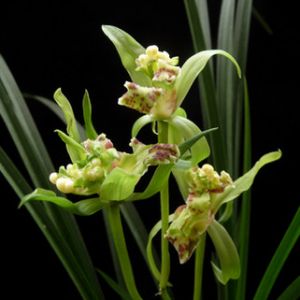
Peony blooms bid spring farewell, and the national beauty and heavenly fragrance are at their prime
Songchun Guose peony blooms in late March, with 2-5 flowers per scape, large flowers, numerous petals, many lips, and a profusion of column parts. The lips, petals, and column parts change endlessly, and the colorful flower centers are full of charm and temptation. As she gradually reveals her inner nature and temperament, the flower center keeps splitting, and the column parts produced by the splitting become independent flowers again,...
-
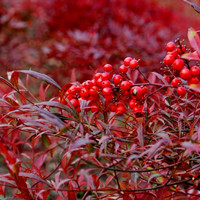
What other names does heavenly bamboo have? An introduction to the aliases of heavenly bamboo
Heavenly bamboo (Nandina domestica) is an evergreen shrub with an elegant form, often made into bonsai or potted plants, and can decorate windowsills, entrance halls, and other places.
条件筛选