-

-

Poinsettia Growing Methods and Daily Care Tips
1. Soil preparation. For poinsettia cultivation, it is best to use loose, fertile, well-drained sandy soil; for potting soil, a mix of culture soil, leaf mold and sand is best. Generally, for poinsettia cultivation, use 3 parts vegetable garden soil, 3 parts humus soil, 3 parts leaf mold, and 1 part decomposed cake fertilizer, add a small amount of cinder and mix well.
-
Caladium Growing Methods and Care Tips
1. Soil: Caladium prefers clayey soil, usually mixed with five parts clayey field soil, two parts leaf mold and three parts sand. 2. Light: Caladium likes sunlight, but not excessively strong light. If light is insufficient, the leaf variegation becomes dull, and the leaves grow leggy and appear weak. 3. Watering: Caladium likes moisture and needs plenty of watering in spring and summer.
-
How to grow Dracaena fragrans hydroponically? Detailed growing methods and tips
1. Watering amount. Dracaena fragrans is a plant from tropical regions, and it can withstand overly dry environments. In daily watering, you should not water too much, otherwise it will cause Dracaena fragrans to rot. After watering thoroughly, you can water once every 10 days.
-
Cordyline fruticosa growing methods and care tips
Soil Cordyline fruticosa should be grown in loose, fertile, well-drained sandy loam, and a neutral soil is best. The soil for Cordyline fruticosa is a mixed soil of leaf mold, potting soil and coarse sand. It is best to add a small amount of compound fertilizer to the potting soil as a base fertilizer, and the base fertilizer can be scattered into the potting soil when potting up
-
What are the precautions for growing bamboo fern (Bambusa multiplex)?
1. Soil selection: For potted bamboo fern, the potting soil is best made from fertile, loose leaf mold rich in humus, plus surface-matured garden soil from vegetable plots, mixed with an appropriate amount of sandy soil. Line the bottom of the pot with a layer of coarse sand, then apply decomposed cake fertilizer crumbs as a base fertilizer; good water permeability is what benefits the development of the rhizomes and the growth of branches and leaves.
-
Nasturtium Growing Precautions and Care Tips
1. Except for dwarf varieties, nasturtium has trailing stems, so whether grown in pots or in the open ground, thin bamboo stakes must be set up and the stems tied and guided by hand so the branches can climb on them, which favors both appearance and normal growth. 2. On rainy days, pay attention to drainage and waterlogging prevention. Generally, potted plants that have been grown for 2-3 years need to be replaced in time.
-

-
Detailed Guide to Growing and Daily Care Tips for Pennywort
Soil Selection Pennywort is not strict about soil, but it is not very drought-tolerant, so fertile, loose soil with high water absorption and good water retention is more suitable for its growth. It can also be grown on moist riverbanks, in swamps, in grasslands, or in freshwater with low hardness
-
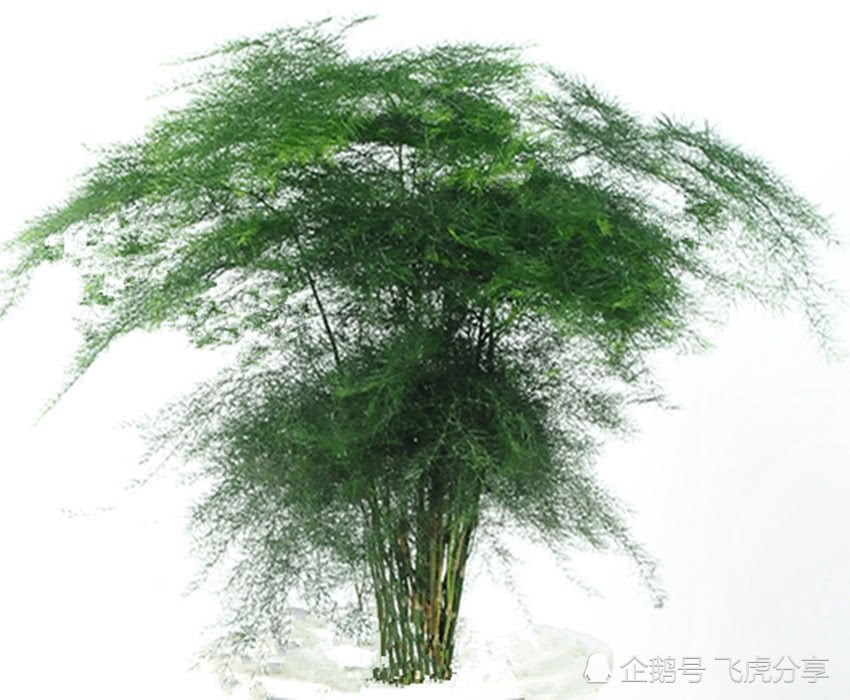
How do you care for an asparagus fern (Asparagus setaceus) so its branches and leaves stay emerald green, elegant and graceful, and it grows vigorously? Expert growing tips
The asparagus fern has soft, slender, jointed stems and fine, delicate leaf branches, making it especially popular. Keeping one indoors makes a room look especially elegant and refined. The ornamental value of the asparagus fern lies in its slender, emerald-green branches and leaves and its graceful plant shape. So how do you grow an asparagus fern...
条件筛选