-

What does it take to escape poverty and get rich? Grasp these 6 key points
To escape poverty and get rich, you also need to grasp these 6 key points
-
Four key points to grasp in winter management of Pinellia ternata
1. Check the seed tubers: Normally, the tubers of Pinellia ternata begin to take root and sprout about half a month after planting. Sometimes, due to low temperatures, tuber rot may occur, so the growth of the seed tubers should be checked in a timely manner. For spots where sprouts have still not emerged, the soil can be gently scraped open by hand or with a bamboo strip, wooden stick, etc. Any seed tubers that have not rooted or whose rootlets are yellow-black are inferior and should be dug out and replanted in a timely manner. 2. Prevent waterlogging and drought: If continuous overcast and rainy weather occurs in winter, the soil is prone to waterlogging and oxygen deficiency, which is not only unfavorable for the tubers of Pinellia ternata to take root underground, but also causes disease and rot. Therefore,
-
Things to note when raising piglets in spring and summer, farmers should grasp them in advance
First, pay attention to temperature changes. In spring and summer, temperatures vary greatly, there is a lot of rain, and humidity is relatively high. Pigs prefer a dry environment, have little fat tissue, and piglets are prone to feeling cold. Therefore, the temperature inside the shed and the dry environment of the pen should be maintained. Second, pay attention to increasing protein feed. Especially for piglets that have undergone long-distance transport, due to stimulation such as wind-cold and the bumping of vehicles and boats, some piglets develop dysentery and diarrhea, reduced appetite, and weight loss. In addition to doing a good job of keeping the pen dry and warm, nutrition should also be supplemented in a timely manner.
-
Two key control chains must be grasped in pig artificial insemination
In recent years, pig artificial insemination technology has developed rapidly. Large-scale pig farms have basically carried out artificial insemination work, and some large boar studs (companies) mainly selling boar semen have emerged, mainly including the SPF Boar Stud of the Northern Region of the Ministry of Agriculture under the Beijing Pig Breeding Center and Beijing Haobang Pig Artificial Insemination Service Co., Ltd. At the same time, in areas where rural backyard pig farming is relatively concentrated, small boar studs with 3 to 5 boars built by individual farmers with their own investment have sprung up like bamboo shoots after rain. The author summarized the
-
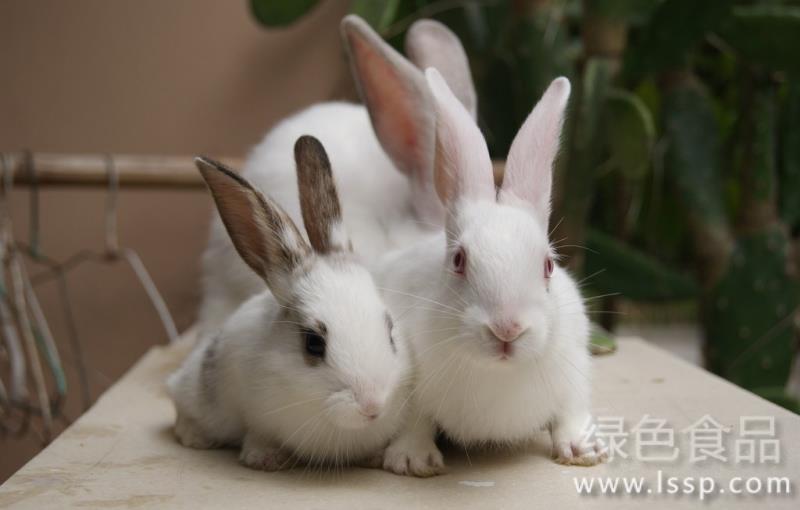
To improve the survival rate of baby rabbits, you need to grasp the "five key stages"
To improve the survival rate of baby rabbits, you need to grasp the "five key stages"
-
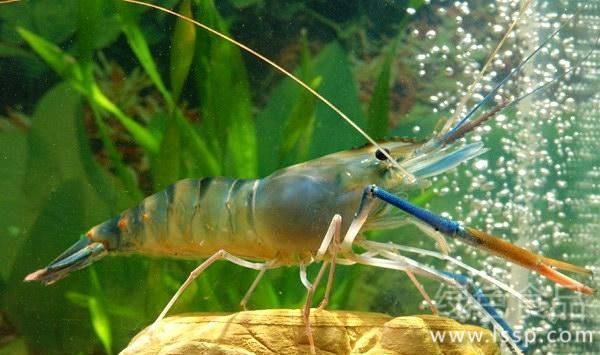
To achieve high yield and good profits from freshwater shrimp and river crabs, grasping six key points is very important
For high yield and good profits from freshwater shrimp and river crabs, grasping the "six key points" is very important
-
Four key aspects to grasp in scientific fox farming
Foxes have very high economic value. Their main product, fox fur, belongs to the long-haired fur category and has the advantages of being tough and wear-resistant, soft and lightweight, warm and attractive; it is a high-quality raw material for making fur products such as fur collars, hats and fur mats. To raise them reasonably and let them create higher value, the following points should be grasped: (1) Grasp the selection and breeding of fine varieties. As people's aesthetic views improve and the international fur market changes, in the selection and breeding of fox varieties, the following two points should be used as "reference points" for high-quality breeding as much as possible. The general direction:
-
Grasp and carry out the control of diseases and pests in honeysuckle now
Honeysuckle, formerly known as Japanese honeysuckle, also called silver flower, honeysuckle flower, and twin flower, is a twining vine of the Caprifoliaceae family. The county has developed a honeysuckle base of 60,000 mu. Because the base farmers manage extensively and the supporting techniques have not kept up, especially disease and pest control management, the yield of honeysuckle is low and the quality is poor. According to a survey by the county plant protection station, honeysuckle diseases and pests occur fairly commonly in our county, among which honeysuckle powdery mildew, brown spot, aphids and red spiders are relatively serious in occurrence and harm. At present, it is the best time to control honeysuckle powdery mildew, brown spot, aphids
-
6 key points to grasp in cotton square-stage management
Proper watering: since rainfall in northern China is relatively low in mid-to-late June and the weather is hot, water appropriately, but do not overwater, so as to avoid excessive vegetative growth of cotton that causes squares to drop. After watering or heavy rain, cultivate the soil promptly to encourage the plant roots to grow downward. Topdressing to promote weak plants: generally apply 5-6 kg of urea, 15-20 kg of potassium chloride, 1 kg of zinc sulfate and 1 kg of borax per 667 sq m to help the plants build a good high-yield framework. When fertilizing, the fertilizer should be placed in furrows about 15 cm from the plants and applied deeply. Topdressing at the square stage should take care of the weak
-
Cotton disease control: grasp the key at the seedling stage
The main cotton seedling diseases include damping-off, anthracnose, black spot, seedling blight, and root rot. The main cause of cotton seedling disease is seed-borne and soil-borne pathogens; once suitable climatic and environmental conditions for disease development occur, cotton seedling diseases will break out severely, harming the normal growth of cotton seedlings, with the disease incidence in ordinary years being 30%-50%. In recent years, with the promotion of transgenic insect-resistant cotton, cotton seedling diseases have shown a trend of gradually worsening, directly threatening full stands from a single sowing and the early development of strong seedlings. Therefore, integrated control of cotton seedling diseases has become
条件筛选