-

Causes of Gastrodia elata trait degeneration and control methods
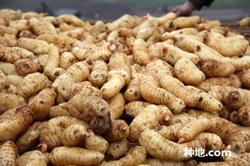
Degeneration of Gastrodia elata traits usually manifests as a decline in the yield of arrow gastrodia, with the individuals becoming smaller and slender; the yields of rice gastrodia and white gastrodia drop substantially, the tubers turn ginger-yellow or light brown, stress resistance is poor, and the original yield and traits cannot be fully expressed. The causes are generally as follows: 1. Multiple generations of asexual propagation. Degeneration generally begins to appear after 5 to 6 generations of asexual propagation, but the speed of degeneration differs when cultivated on different soils; degeneration is slower when cultivated on granite soil, followed by yellow-brown earth sandy soil parent material, and the acidic soil formed by the weathering of shale or limestone.
-
What are the general characteristics of fertilizing Schisandra chinensis?
Schisandra chinensis differs from field crops or vegetable crops in that it is a perennial climbing vine with a long growth cycle. Throughout its entire life cycle, all types of seedlings go through the processes of growth, fruiting, renewal and aging. In its annual cycle, there are different phenological stages such as sprouting, shoot extension, flowering, fruiting, ripening and dormancy. In different growth and development stages, the nutritional characteristics of the various seedlings differ, but compared with field crops or vegetable crops, Schisandra chinensis has the following nutritional characteristics: (1) Amount of nutrients absorbed
-

-

-
What is the meaning of Gastrodia elata trait degeneration?
What is Gastrodia elata trait degeneration? Trait degeneration in Gastrodia elata typically manifests as a decline in the yield of arrow tubers, which become smaller and slender; a substantial reduction in the yield of rice tubers and white tubers, which turn ginger-yellow or light brown, with poor stress resistance, so that the original yield and traits cannot be fully expressed. The causes are generally as follows: 1. Multiple generations of asexual propagation...
条件筛选