-

How is fox farming done? First, understand these farming conditions
Every winter, there are many people on the streets wearing fur. Fur has good warmth retention and is relatively expensive, so the fur industry is thriving. Fur comes from...
-
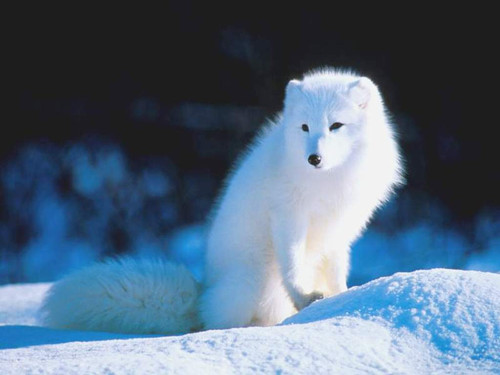
Courtyard Fox Farming Opens a New Path to Increased Income
Courtyard Fox Farming Opens a Path to Wealth
-

Developing blue fox farming to get on the road to increased income and prosperity
Raising blue foxes to get on the road to prosperity
-
Detailed Explanation of Color Fox Breeding Technology, Mastering the Key Points of Color Fox Farming
Foxes are canids, divided into two genera. The genus Vulpes includes the silver fox (i.e. silver-black fox), red fox, and color fox; the genus Alopex includes the blue fox and colored arctic fox. Color foxes and colored arctic foxes are mutant varieties arising from coat color variation, because fox coat color variation occurs under natural conditions, and the general mutation rate is only one in one hundred thousand or one in one million. Rarity makes things precious, and a single high-quality color fox pelt sells for as much as several thousand US dollars. Foreign research and farming of color foxes has a history of over 50 years, and currently there are more than 30 color types of color foxes. In order to develop
-
What are the key techniques for efficient fox farming?
1. Vaccinate on schedule and pay attention to drug prevention. Vaccinate twice a year, once in November-December when keeping breeding stock and once in June-July, 3 weeks after the cubs are separated and weaned, using vaccines for canine distemper, viral enteritis, encephalitis, etc., to vaccinate each animal individually, and use the deworming drug Chongkexing to deworm the foxes both internally and externally once. 2. Keep the sheds dry and sanitary. Wash the water bowls and feed bowls frequently, and promptly remove feces and leftover feed from the cages and sheds; regularly spray the ground of the whole site and the cages and sheds with Baidusha solution. 3. Sci
-
Detailed Explanation of Melatonin Application in Fox Farming
Melatonin is an indole hormone secreted by the pineal gland in the brain of animals, also known as pineal gland hormone. It was first applied in fur farms in North America in 1985. In China, the technology for artificially synthesizing melatonin from domestic chemical raw materials and manufacturing melatonin implants was solved in early 1993. After 1998, melatonin became widely used in the fur farming industry in Northeast China. The Dongjin Fine Breed Livestock Farm in Xiangfan City, Hubei Province began using melatonin in 1999. During 8 years of practical application, melatonin has shown good results in inducing early fur maturation in foxes and delaying estrus in male silver black
-
What problems exist in China's fox farming industry? A few suggestions for reference
Over the past 20 years, China's fox farming industry has made considerable progress, but through our 10 years of fairly systematic investigation into the current feeding conditions of fox farms and households, we have found some noteworthy problems that affect reproduction and fur quality. The specific situation is reported as follows. 1 Feeding and feed Currently, fox farms (households) across the country all use single-cage rearing in courtyards; they use complete feed supplemented with cornmeal, sea fish, freshwater fish, beef liver, various meat trimmings, and also add a small amount of other ingredients, boiled into a cooked porridge for feeding. Young foxes are fed 3 times a day, and adult foxes are fed 2 times a day.
-
Four key aspects to grasp in scientific fox farming
Foxes have very high economic value. Their main product, fox fur, belongs to the long-haired fur category and has the advantages of being tough and wear-resistant, soft and lightweight, warm and attractive; it is a high-quality raw material for making fur products such as fur collars, hats and fur mats. To raise them reasonably and let them create higher value, the following points should be grasped: (1) Grasp the selection and breeding of fine varieties. As people's aesthetic views improve and the international fur market changes, in the selection and breeding of fox varieties, the following two points should be used as "reference points" for high-quality breeding as much as possible. The general direction:
-
How can fox farming profits be increased? Master these measures
1. Lower feeding costs. First, establish reasonable feeding standards and prepare daily rations according to those standards. Do not arbitrarily raise the ration level. During the fox's breeding period, meat, egg and milk feeds should be used rationally, while during the non-breeding period, cheap marine trash fish and meat by-products may be used appropriately, but the nutritional needs of the fox must never be ignored. For example, feeding poor-quality feed during the winter fur growth period will lower pelt quality, or cause delayed pelt harvesting, which instead results in greater economic loss. Second, feed losses in quantity and quality during purchasing, transport, storage and processing
-
How to Raise Foxes Efficiently? A Detailed Guide to Fox Farming Techniques and Methods
Prevent on schedule, vaccinate, pay attention to medication-based prevention. Vaccinate twice a year: once from November to December when breeding stock is retained, and once from June to July, 3 weeks after the cubs are separated and weaned, using vaccines for canine distemper, viral enteritis, encephalitis, etc., to inoculate each fox individually, and use Chongkexing medication to deworm the foxes internally and externally once. Keep the sheds dry and hygienic, frequently scrub the water bowls and food bowls, and promptly remove feces and leftover feed from the cages and sheds; regularly spray the entire grounds and the cages and sheds with Baidusha solution. Scientific feeding
条件筛选