-
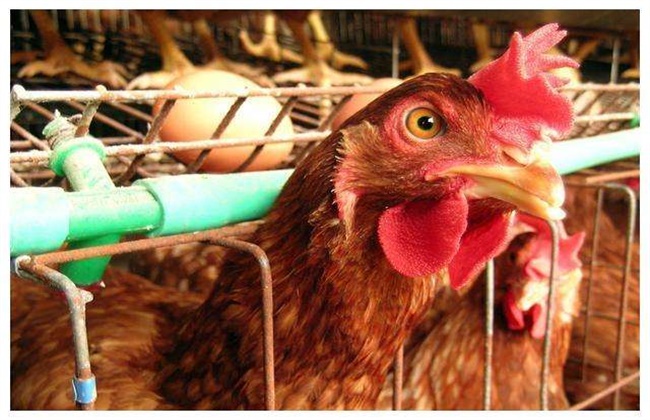
Methods and Key Operational Points for Artificial Forced Molting in Laying Hens
Artificial Forced Molting Methods for Laying Hens
-

Can orchids be forced to bloom? A detailed guide to orchid forcing techniques for potted orchids
Can orchids be forced to bloom? Potted orchid forcing techniques
-

Spring Dendrobium forced flowering costs drop sharply: how many times a year does it bloom, and how much per plant
To force flowering, Spring Dendrobium growers have to use cold rooms or take the plants up to high mountains, but the cost of forcing flowering can reach 30 yuan per plant. The Taiwan Seed Improvement and Propagation Station under the Council of Agriculture has developed forced-flowering technology and agents costing as little as only 5.5 yuan per plant, and it can also adjust the flowering period according to market demand.
-
Sanya's fishery aquaculture forced to step aside due to the city's development positioning
Sanya's urban development positioning forces fishery aquaculture to "step aside"
-
Forced into cattle farming, how did he turn things around and get rich?
Forced onto the path of farming, how did he "turn things around" and get rich raising cattle?
-

Moutai's wholesale price rises, is the wave of baijiu price increases following the trend or forced?
Moutai's wholesale price rises, are baijiu price increases across the board following the trend or forced?
-
Analysis and Discussion of the Effects of Forced Molting in Chickens
(1) Mortality rate during forced molting. Measures in a forced molting program such as fasting, water withdrawal and reduced lighting are a great stress to chickens, and flock mortality is a response that tests whether the amount of stress is appropriate. Generally, it is suitable to keep mortality during the implementation period of forced molting at no more than 3%, and by the end of the recovery period, to keep mortality within 5%. (2) Body weight loss rate. The decline in hen body weight indirectly reflects the state of fat consumption in the oviduct. Only when the body weight loss rate reaches 25%-30% can the fat deposited in the oviduct be basically exhausted, which is crucial for improving eggshell quality in the second laying period.
-
What to do when large silkworms are forced to mature prematurely by high temperatures? Do a good job of heat prevention and cooling
(1) In hot weather, prevent mulberry leaves from wilting and overheating. When feeding the silkworms, wait until the mulberry leaves have cooled before feeding. When feeding at noon, provide appropriate supplementary water to help cool things down and delay mulberry leaf wilting. This can be combined with supplementary feeding of miecanying or xiaoteling for disinfection. The standard for supplementary feeding of miecanying is 1 milliliter of miecanying agent added to 0.5 kg of water, fed with 4-5 kg of mulberry leaves, mixed evenly and then fed to the silkworms, with supplementary feeding once every 48 hours. The standard for preparing the xiaoteling agent water solution for disease prevention is to add 25 kg of water to each packet of the main agent. First use a small amount of water to
-
Detailed Explanation of Key Points in Artificial Forced Molting Technology for Chickens
1. Chemical method: After chickens ingest an excessive or insufficient amount of chemical substances within a certain period, their metabolism is disturbed and the functions of internal organs are disordered, resulting in the hens stopping laying or molting. After the chemical agent is removed, the hens rest and their physique recovers, and under the condition of being fed normal feed, they again recover a second laying period. At present, the most commonly used chemical method is feeding a high-zinc diet. For example, when feed containing 2% zinc is fed in the diet, after 3 days the laying rate of the chickens drops below 50%, and after 6 to 7 days laying stops completely; after removing zinc,
-
Forced Molting Technique for Ducks Can Shorten the Pause in Laying
After laying a certain number of eggs, laying ducks stop laying and go into molt. Under natural conditions, it takes 2-3 months from molting to resuming egg production. However, when you notice that a laying duck has stopped laying and is pecking back and forth at its own feathers, give the non-laying duck a forced molt: first pluck out the older, coarser long and short feathers from both the front and back of its two wings, then keep it in a confined pen, strengthen feeding management, and feed it high-quality feed. After about 1-5 days, the non-laying duck will begin to lay eggs again.
条件筛选