-
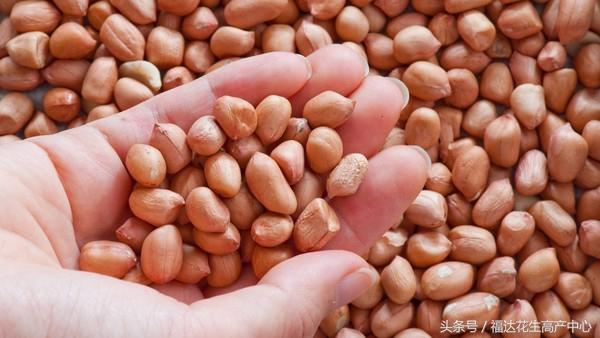
Peanut supply accumulated considerably in the earlier period, peanut oil mills face heavy purchasing pressure and have adjusted prices again
Considerable peanut supply accumulated in the earlier period, peanut oil mills face relatively heavy purchasing pressure and have once again adjusted their purchasing prices
-

Domestic cotton prices face further downward pressure, with production down 14.2%
According to a survey by the China Cotton Association, this year's cotton production is expected to be around 6 million tons, a decrease of 1 million tons, or 14.2%. Facing changes in cotton production and the market situation, as the new cotton harvest approaches, the Agricultural Development Bank of China continues to play its role as the main channel for supplying cotton procurement funds.
-
Agricultural production will continue to face import pressure this year
Affected by the combined factors of growing domestic demand, a widening price gap between domestic and international markets, and the international market being at a cyclical low, China's imports of agricultural products continued to grow at a high level in 2014. Looking at specific products, grain imports grew substantially, oilseed and vegetable oil imports remained generally stable, cotton and sugar imports decreased but still remained at a high level, beef and mutton imports grew slightly, milk powder imports increased substantially, and competitive export products grew relatively quickly overall.
-
Wetland protection faces considerable pressure, and the current state of China's wetlands is not encouraging
Remote sensing monitoring is more accurate and objective, and has gained international recognition. Compared with traditional monitoring technologies, monitoring using remote sensing satellite technology has obvious advantages such as being macroscopic, dynamic, rapid, real-time and accurate, and in particular it minimizes interference from human factors and ensures
-
Huge Indica Rice Supply, Market Prices Expected to Face Pressure
Currently, the domestic indica rice market supply is basically sufficient, while demand from rice processing enterprises is insufficient and terminal consumption growth is slowing. Therefore, in addition to the relatively sluggish trading of policy-based paddy rice, the proportion of failed auctions in the rotation bidding transactions of local reserve paddy rice is also relatively high. In the short term
-
Soybean meal market faces pullback pressure after weather-driven speculation
Over the past two months, soybean meal futures contracts have seen a sharp decline followed by a rapid rebound, and the current price is already close to the high at the start of the decline. Does this mean the soybean meal market has already reversed? First, let us analyze the reasons for the earlier decline in soybean meal: First, sluggish domestic demand for soybean meal led to price declines. Weak demand in the livestock and aquaculture industry constrained soybean meal consumption. China's hog inventory and breeding sow inventory fell sharply year on year; prices of meat, eggs and poultry were sluggish, and farming losses were severe; demand in aquaculture slowed, constraining demand for protein meal. Second, soybean meal supply increased substantially, spot prices fell sharply, some basis contracts faced default risk, and selling off occurred.</P><P> Now let us look at the reasons for the rapid rise in soybean meal. The author believes that the rise in soybean meal came partly from a return of prices after the earlier excessive decline; on the other hand, it came from speculation driven by heavy rain in the main U.S. soybean producing areas, which caused market concern about U.S. soybean planted area and good-to-excellent ratings. The planted area data and weekly soybean good-to-excellent ratings data released by the U.S. Department of Agriculture on June 30 both confirmed the market's concerns about U.S. soybean planting. These data will, in the short term, still support U.S. soybean futures in maintaining high-level oscillation, which will substantially raise the cost of China's imported soybeans, forcing crushing plants to passively raise the prices of soybean meal and soybean oil.</P><P> But in the short term, speculation over the impact of severe weather on planting may cool somewhat, and the loose fundamentals will bring great pressure on soybean meal prices.</P><P> From the perspective of soybean meal supply, global soybean supply is ample. After U.S. soybeans hit a record high last year, soybean output in Argentina and Brazil also hit record highs, which will suppress legume prices over the medium and long term. Domestically, China's soybean imports in June may reach 8.53 million tons and in July reach 8 million tons, so soybean sources are very abundant; at present, the operating rate of domestic crushing plants remains at an extremely high level of about 54%, and soybean meal supply has recently remained high. The volume of domestic rapeseed meal and imported DDGS remains high, suppressing plant protein prices.</P><P> On the demand side, although the hog farming industry currently shows restocking demand, truly driving soybean meal consumption may still require waiting for hog inventory data to stop falling and rebound before it can be confirmed. The meat, egg and poultry farming industry remains sluggish. Due to oversupply, prices of meat poultry and eggs fell sharply earlier, severely dampening the enthusiasm of farming enterprises to restock. In aquaculture, because oversupply last year led to sharp price declines, pond stock levels in the south are relatively high this year, constraining the release of fry. Recently, rainfall has been excessive, feed placement in ponds has decreased, which is bearish for meal consumption. Later, as large quantities of stocked fish are sold, demand for protein meal from newly released fry may decline substantially, so demand for protein meal from aquaculture later is also worrying.</P><P> Based on the information on both supply and demand, the author believes that soybean meal supply and demand will remain loose, and after the bullish U.S. heavy rain weather factor is fully priced in, soybean meal prices will return to fundamentals in the short term, with the possibility of oscillating pullbacks.</P></p>
-
The 13th Five-Year Plan agricultural upgrade faces heavy development pressure
2016 is the inaugural year of the 13th Five-Year Plan. At that time, what situation and challenges will China's food security face? Where will China's agricultural structural adjustment begin? How will crop production and agricultural product processing technology innovate? How will domestic and international food safety strategies connect and
条件筛选