-
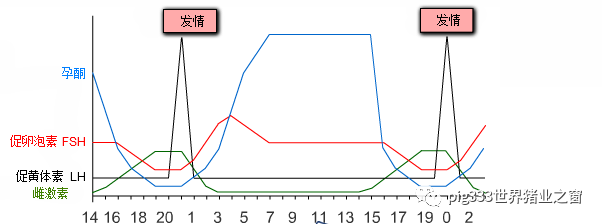
How is sow estrus timing controlled with exogenous progesterone?
Hormone management (III) - Using exogenous progesterone to control sow estrus timing
-

Integrated Traditional Chinese and Western Medicine Treatment Methods for Calcium and Phosphorus Metabolism Disorders in Pigs
Calcium and phosphorus metabolism disorders occur in young pigs, and the resulting bone dystrophy is called rickets. The pathological features are insufficient calcification by osteoblasts, persistent cartilage hypertrophy, and incomplete temporary calcification with enlargement of the epiphyses. The clinical features are digestive disturbance, pica, lameness, and skeletal deformity. It is a non-inflammatory disease of poor bone tissue development, and vitamin D deficiency also plays an important role in the pathogenesis of rickets. Calcium and phosphorus metabolism disorders occur in adult pigs, and the resulting bone dystrophy is called osteomalacia, or fibrous osteodystrophy. The pathological feature is progressive
-
A Complete Analysis of Traditional Chinese and Western Medicine Prevention and Treatment Methods for Pig Eczema
1. Dual flowers (honeysuckle and chrysanthemum) and Isatis root 200 g each, grind into powder and feed to pigs; externally take an appropriate amount of loofah leaves, crush and squeeze juice to rub the affected area, 2 times a day. 2. Fresh Eclipta prostrata 500 g, borneol 10 g. Crush fresh Eclipta prostrata and add borneol, use gauze to press out the juice, then apply the juice to the cracked skin or the affected area of impetigo, 3 times a day, for 2-3 consecutive days. 3. Yinchen (Artemisia capillaris) and honeysuckle 60 g each, decoct in water for oral administration; wash the affected area with 2%-3% alum, 2 times a day. 4. An appropriate amount of Chinese tallow tree leaves
-
How to treat swine winter diarrhea? A detailed explanation of integrated Chinese and Western medicine therapy
Porcine epidemic diarrhea in winter, commonly known as winter diarrhea, has its peak incidence from mid-December each year to mid-January of the following year; it strikes suddenly, spreads over a wide area and spreads rapidly; the incidence rate is high, seriously affecting the growth and development of pigs. 1. Symptoms The incubation period of the disease is generally 12-18 h. After infection, adult pigs show symptoms of watery diarrhea; the feces are initially grayish-white, gradually becoming yellowish-green, with an offensive fishy odor. Abdominal distension, vomiting, body temperature rises to 40-41°C in the initial stage, and once the diarrhea passes, the body temperature drops. Thirst and a desire to drink. 10 days
-
How to Treat Stunted Pigs: An Introduction to Integrated Traditional Chinese and Western Medicine Therapy
Stunted pigs are underdeveloped piglets with stunted growth, also called "little old pigs", "runts", or "hedgehog pigs". These pigs only eat feed without gaining meat, causing great waste of manpower, feed, and pen space in pig production as well as economic losses. 1. Symptoms: Stunted pigs have rough, disordered hair, are thin and small in build, with arched backs and sagging bellies, large heads and thick tails; some are anemic, eat normally but grow slowly, and some have alternating constipation and diarrhea; scabies or internal and external parasites are often present. 2. Causes
条件筛选