-
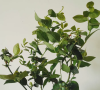
The Benefits and Effects of Blueberries, Plus Potted Planting Methods and Precautions
Blueberries, a small and lovely yet charming fruit. They are not only delicious but also rich in nutritional value and various benefits. From a nutritional standpoint, the anthocyanins in blueberries have outstanding antioxidant properties, effectively resisting damage from free radicals, thereby slowing the aging process and protecting cellular health. In addition, blue
-

Can Tradescantia spathacea (Moses-in-the-cradle) be eaten? Understanding its benefits and effects
Tradescantia spathacea, a plant whose name alone sounds full of mystery and health. Generally speaking, fresh Tradescantia spathacea leaves are not recommended for consumption, because they may contain components harmful to the human body and cause poisoning. However, after specific processing, such as drying its tender leaves into dried vegetables, Tradescantia spathacea can be safely eaten.
-

Causes of White, Crusted Potting Soil and Effective Ways to Fix It
For those who love indoor potted plants, the health of the potting soil directly affects the growth and appearance of the plants. White, crusted potting soil not only affects the roots' breathing but may also hinder nutrient absorption. This article introduces several simple and effective handling techniques, and also analyzes how to improve the soil when growing potted plants indoors.
-

What are the symbolic meanings and effects of the ginkgo tree?
The ginkgo tree is a highly distinctive ancient tree species. The ginkgo is a deciduous tree in the family Ginkgoaceae, genus Ginkgo. Its trunk is straight, with grayish-brown bark that has irregular vertical fissures, and mature trees can reach dozens of meters in height. Its fan-shaped leaves are pale green with long stalks, and in autumn they turn golden yellow like golden fans hanging from the branches, dazzling in the sunlight, with great ornamental value. The ginkgo tree is
-
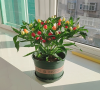
Can bell peppers be eaten raw? A full analysis of their benefits, effects, and nutritional value
Bell peppers, as the name suggests, are best known for their most striking feature: their brilliant colors. Common bell pepper colors include red, yellow, orange, and green, and these vivid hues give them extremely high recognizability. The shape of bell peppers is usually lantern-like or oblong. The size of the fruit varies by variety, but they generally have a plump, round appearance, whether
-

What are the benefits and effects of persimmons and which foods should not be eaten with them?
The persimmon family is very large, with the common types being soft persimmons and crisp persimmons. After ripening, soft persimmons have tender, sweet, and glutinous flesh; with a gentle suck, the sweet juice spreads through the mouth, such as Fuyu persimmons and Jiro persimmons. Crisp persimmons, on the other hand, have a crisp texture and are refreshingly sweet and delicious, with the oxheart persimmon being a representative example. Persimmons are rich in various nutrients, and their
-

Is passion fruit a "hot" or "cool" food, and what are its benefits and effects?
Passion fruit, also known as Passiflora edulis, is a vine originating from tropical and subtropical regions. Its nature is mild, being neither hot nor cold. The fruit is shaped like an egg; when ripe, the skin turns purplish-red, and inside is a yellow or orange-yellow gelatinous pulp studded with black seeds. The juice is plentiful, with a
-

Light Requirements of Phalaenopsis at Different Growth Stages and Their Effect on Flowering Quality
With its elegant bearing and brilliant colors, the Phalaenopsis (moth orchid) has won the favor of many flower lovers. However, to make a Phalaenopsis bloom its best, its strict light requirements at every growth stage must be met. Below is a detailed look at the light conditions Phalaenopsis needs at different growth stages, and
-

Three steps to keep Aloe nobilis 'Dwarf' succulents alive, and the most effective way to deal with yellow leaves
Friends who love succulents are certainly familiar with the "Aloe nobilis 'Dwarf'" variety. It is a succulent of the Liliaceae family, Aloe genus, and overall a compact, emerald-green succulent variety that gives a fresh feeling. In daily life, you can place it on a windowsill, bookshelf, desk and other places for decoration. Besides its good ornamental value,
-

Can potted thyme be kept at home? Learn about its benefits and effects
Thyme is a low-growing plant with green leaves. Its flowers are small and delicate, with pale purple petals surrounding golden yellow stamens, and its fragrance is fresh and long-lasting. It can be used in cooking to enhance food, and as medicine to support human health. Thyme is a herb with strong adaptability and easy cultivation, and it can not only be grown outdoors
条件筛选