-

The Benefits and Effects of Stephania delavayi, plus Pot Cultivation Methods and Tips
Today we introduce a famous traditional Chinese medicinal plant, "Shanwugui", also known as "Dirong", a herbaceous deciduous vine whose main medicinal value lies in dispersing blood stasis, reducing swelling, and relieving pain. In appearance, its root system forms a very large, flat, spherical tuber, while its leaves are elliptical, and the leaf veins have irregular tortoise-shell-like cracks, so
-
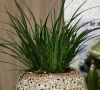
What are the benefits and effects of Acorus calamus? Only with the right care and management will it grow vigorously
Acorus calamus is a perennial herbaceous plant in the genus Acorus of the family Araceae. It has an elegant form, with lush green foliage, dignified and beautiful. There are many species of Acorus calamus, with common ones including Acorus tatarinowii and Acorus calamus. Acorus calamus mostly grows in wetlands, streamside and other environments, preferring a cool and humid climate. The flowering period of Acorus calamus is generally from June to September. The flowers
-
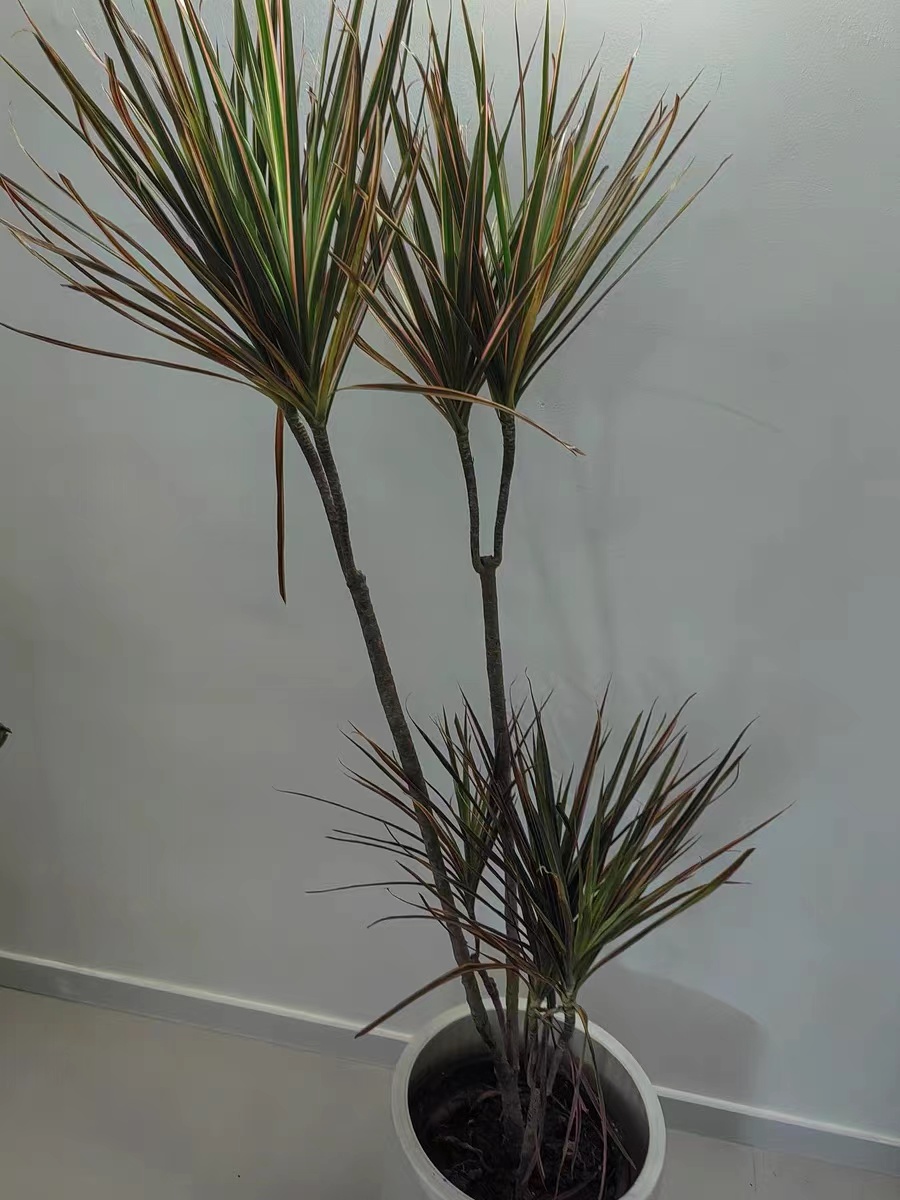
What are the effects of common green plants?
In life, people are paying more and more attention to the comfort and health of the indoor environment. Potted green plants, as the epitome of nature, can not
-
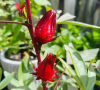
The Benefits and Effects of Roselle and How to Grow It in Pots, plus Precautions
Roselle, also known as the roselle hibiscus, is a tall plant that usually grows to 1 to 2 m. Its flowers are purplish-red and extremely vivid, with petals in a distinctive triangular shape that gives the bloom a truly unique form. The calyx is fleshy and cup-shaped, deep red in colour, and is a high-quality material for making herbal tea. Native to tropical and subtropical regions, roselle
-

Nasturtium: Benefits and Effects, Growing Methods and Precautions
Nasturtium (Tropaeolum majus) belongs to the family Tropaeolaceae and the genus Tropaeolum, and its whole plant holds important medicinal value in traditional Chinese medicine. It is widely distributed across Northeast China, North China and Inner Mongolia, and is a plant that combines ornamental and medicinal functions. Nasturtium is cool in nature and can effectively clear heat toxins from the body, making it useful for red and swollen eyes, sore and swollen throat, and similar
-

What is the difference between wild chrysanthemum and chrysanthemum? How do their effects and actions differ?
I believe friends who have lived in the countryside know that wild chrysanthemums are very easy to spot on the mountains. After blooming, they appear yellow, and generally have capitula or radially symmetrical petals. So, what is the difference between wild chrysanthemum and the artificially cultivated chrysanthemum seen on the market? Can wild chrysanthemum be used to make tea just like chrysanthemum?
-
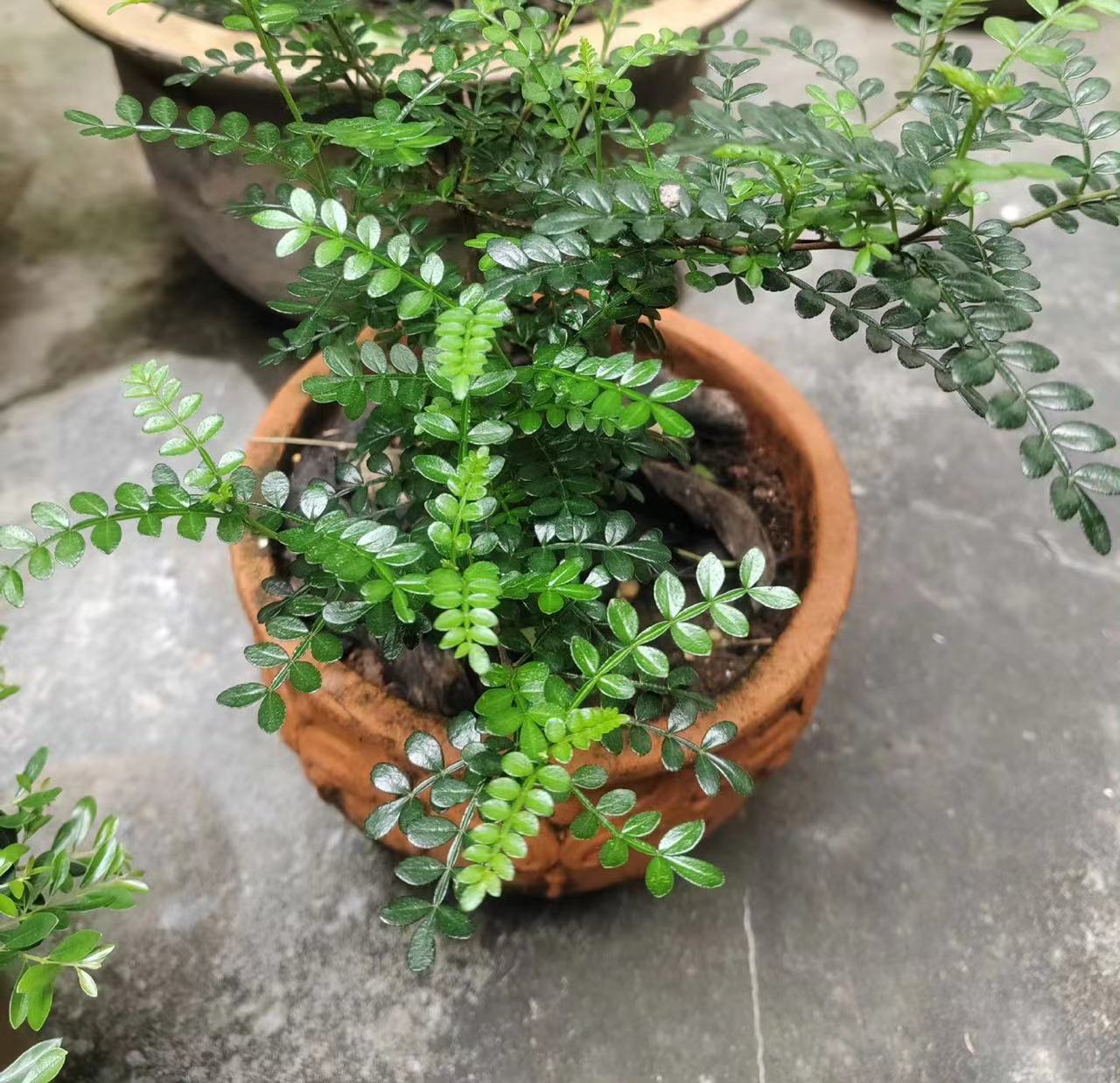
What are the effects and functions of Pistacia weinmannifolia?
Is Pistacia weinmannifolia suitable for indoor maintenance? From the perspective of the growth environment, Pistacia weinmannifolia likes a warm and well-lit
-
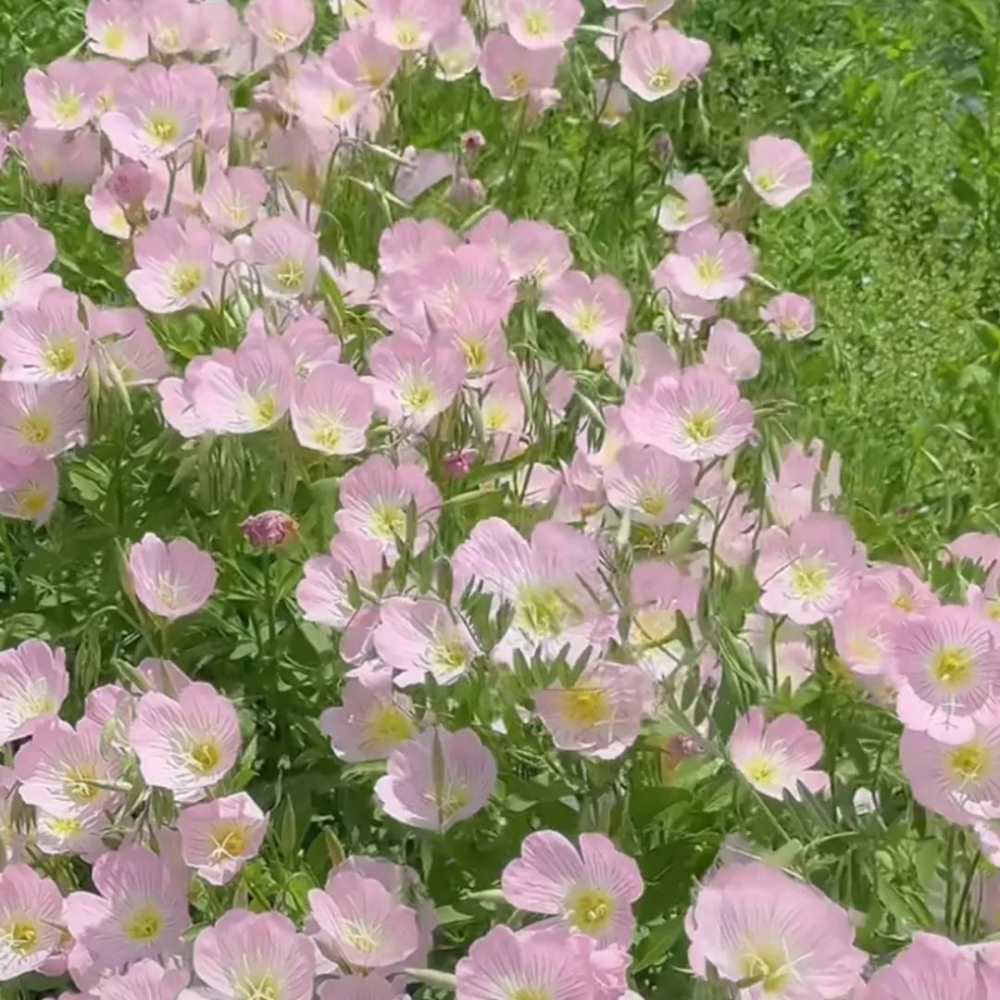
The three most powerful effects and functions of evening primrose flowers and the taboos
In the field of botany, Nemophila menziesii and evening primrose are not the same plant. Nemophila menziesii is usually noted for its unique blue flowers and
-
Is Fragrant Wood a sinister tree or an auspicious tree? Household taboos and three major harms and their effects on the human body
Fragrant Wood, scientific name Pistacia weinmannifolia, is a shrub or small tree of the genus Pistacia in the family Anacardiaceae. It can reach a height of 15 m, with gray bark, lush branches and leaves, red young leaves, green old leaves, and a fragrant aroma. Fragrant Wood is drought-tolerant and tolerant of barren soil, with strong adaptability, and is a species for barren hill afforestation
-
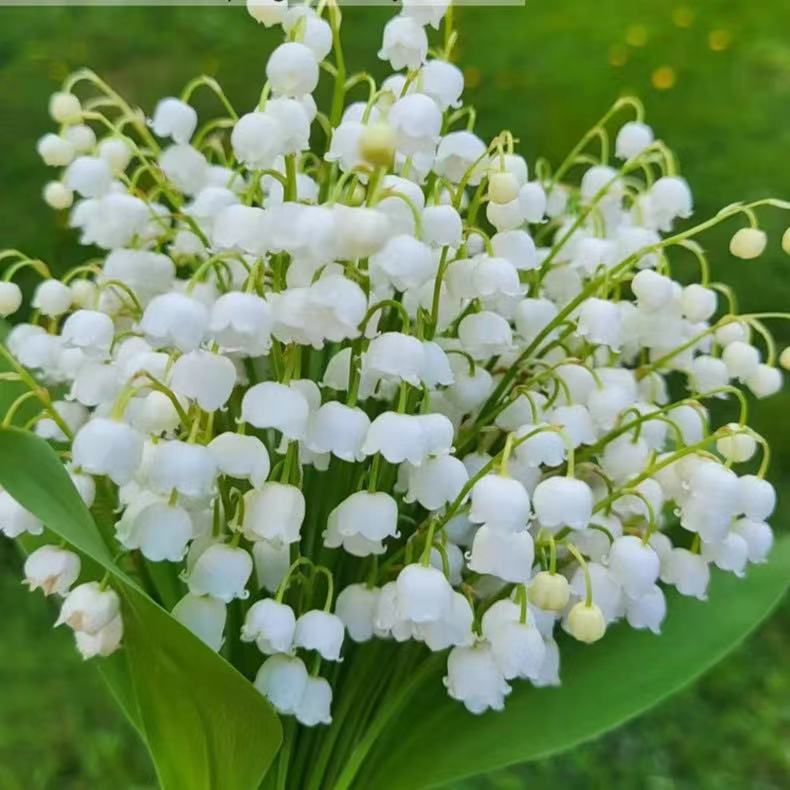
What are the functions and effects of Convallaria majalis var. moschatum?
Convallaria majalis var. moschatum. In legend, the forest guardian god, Beltis, transformed into Convallaria majalis var. moschatum, and she blessed people who
条件筛选