-
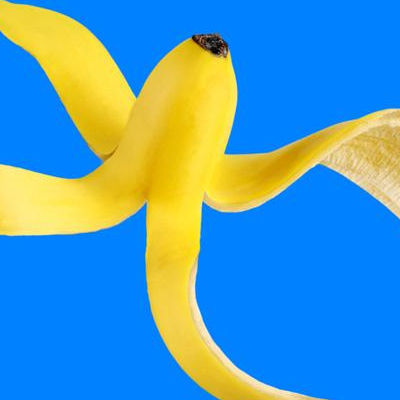
How do you make flower fertilizer from banana peels, and can it also kill slugs?
Banana peels, everyone has seen them, and they are just that appealing. How do you turn banana peels into flower fertilizer? Make a nutrient solution: 1. Find a larger plastic bottle, wash it clean, and fill it one-fifth with water. 2. Chop up the banana peels, add them to the plastic bottle, and put the lid on but not too tightly.
-

How do you prevent disease when farming eels? There is real know-how involved
Every year in July, August and September, the weather is hot, and farmed eels are prone to serious diseases. The main signs are: 1. Gill rot disease caused by parasites or bacteria. 2. Liver-kidney syndrome caused by feed or management factors. These two diseases have a high mortality rate and are difficult to treat, and they are the biggest headache for many farmers. Based on follow-up surveys in recent years, I would like to offer some humble observations on this issue. 1. Focus on prevention to avoid disease outbreaks. The specific steps are as follows: 1. Regularly use insecticides,
-
How to improve the body color of adult eels? A practical farming method explained
The body color of eels plays a decisive role in sales. Raising eels with good body color is the eager hope of all farmers and a subject that many feed manufacturers have been exploring. To solve the eel body color problem, you must first understand the causes of eel body color and the factors that affect it. The production of eel body color: eel body color is mainly the result of the combined action of multiple factors such as carotenoids, melanin, pterins and guanine. Factors affecting eel body color: 1. In feed
-
Catching Methods and Technical Key Points for River Eels
There are several methods for catching river eels in rice paddies. Before catching the eels, the water level in the paddy field can be lowered in advance to artificially create oxygen deficiency, and then new water can suddenly be added. When the river eels gather at the water inlet swimming against the current, they can be surrounded and caught with a net. Another method is to stop feeding for one day before catching; when catching, use fresh feed to lure the eels to gather at the feeding site, then set the net to surround and catch them. Finally, the pond can be drained to catch them all thoroughly, and after temporary rearing by size specification, they are ready for sale.
-
How to handle summer syndrome in eels? Keep the key precautions firmly in mind
The following points should be noted: First, the treatment of pond water. Because medication may need to be used for a long time, it easily causes water quality to deteriorate, so after each medication cycle ends, it is best to carry out a large water change to keep the water environment clean. Second, during the high-temperature period, pay attention to changes in water temperature and water quality. Generally, ventilation should be strengthened to increase dissolved oxygen in the water, and when necessary, raise the water level for medication to prevent a sharp change in water temperature during medication from increasing eel deaths. Third, in the early stage of the disease, even if antibiotics are used
-
Precautions for Catching and Sorting during the Separate Rearing of Adult Eels
1. Catching adult eels for separate rearing There are two catching methods. In larger eel ponds, net catching is generally used; in smaller ponds or concrete-structured eel ponds, the pond water can be drained directly and the eels placed into an eel collection net cage. With the net catching method, feed is used to attract the eels to the feeding area, and when most of the eels have gathered in the feeding area, the feeding area is surrounded with a net and the net is lifted at the feeding area. The caught eels are gathered in a long eel collection box. The long box should be positioned on one side of the eel pond where sorting operations are convenient, and at a distance of 3 to
-
What do river eels eat? A detailed explanation of the taming and feeding method
River eels are carnivorous fish. Generally speaking, river eels feed on mussels, shellfish, clams, fish, shrimp, and animal carcasses. In artificial rearing, formulated feed can be provided, but the protein content must be above 45%. River eels are nocturnal animals and mainly forage for small natural animals. In artificial rearing, the stocking density is high, and natural bait alone cannot meet their needs, so artificial feed must be provided as a supplement. When artificial feed is first introduced, river eels are not accustomed to it and do not come to eat, so a "taming and feeding" stage is necessary to get them used to eating artificial feed and to develop the habit of feeding at fixed times and fixed locations.
-
What is the relationship between diseases of eels raised in earthen ponds and the water environment?
The water environment is the decisive factor in eel farming. The water environment not only determines whether eels can be farmed, but also directly affects the level of production and ultimately the economic benefits of farming. Therefore, only by improving the water environment can eels be farmed well. The following analysis focuses on the relationship between eel diseases and the water environment from the following aspects. 1. pH level. The pH value in water is an important comprehensive water quality indicator, and it directly affects the physiological condition of eels. When the biological, chemical or physical components in the water body change, they will all be reflected in the pH value. Eels in earthen ponds require the pond water
-
How to select brood rice field eels? Detailed selection methods and techniques
To select seedlings with high egg production, high fertilization rate and hatching rate, and good quality, you must choose rice field eels (Monopterus albus) of a certain age and body weight, with a strong constitution and no serious diseases or external injuries, as brood eels. In the non-breeding season, female and male eels are difficult to distinguish by appearance, so they are generally selected and retained by body length. When the body length of the rice field eel is 20 cm-35 cm, the vast majority are female eels, and when the body length is above 45 cm, most are male eels. Under normal circumstances, they can be selected and retained in a 3:1 ratio according to the above two body length groups.
-
How to Improve the Body Color of Adult Eels? A Detailed Guide to Practical Methods
Eel body color plays a decisive role in sales. Raising eels with good body color is the eager hope of all farmers and a topic that many feed manufacturers have been exploring. To solve the problem of eel body color, you must first understand the causes of eel body color and the factors that affect it. The production of eel body color: Eel body color is mainly the result of the combined action of various factors such as carotenoids, melanin, pterins and guanine. Factors affecting eel body color: 1. Oils, antioxidants
条件筛选