-

Common pest and disease prevention and control methods for Pleurotus pulmonarius
Pleurotus pulmonarius (also known as small oyster mushroom and Hypsizygus mushroom) gets its name because of its graceful fruit body shape, which is delicate and precious. Pleurotus pulmonarius has a tender texture, low fiber content, excellent mouthfeel, delicious flavor, and rich nutrition. Its protein content is higher than that of button mushrooms, shiitake mushrooms, and straw mushrooms, and 3 to 6 times higher than that of ordinary vegetables. It contains 17 amino acids, and also contains threonine, lysine, homoserine, and others that the human body cannot produce itself and that are usually lacking in food. It is a fungal food that is highly nutritious and low in calories. Long-term consumption has the function of lowering blood pressure and cholesterol
-
Common pest and disease control methods and key technical points for shiitake mushrooms
During the production of shiitake mushrooms, they are often harmed by pests and diseases. If control is poor, shiitake cultivation can fall into a vicious cycle, causing reduced yields in mild cases or complete cultivation failure in severe cases, so great attention must be paid to this. 1. Trichoderma Trichoderma, also known as green mold, is widely distributed in various plant residues, soil and air. Trichoderma spreads through spores, often using air currents, water droplets, insects, raw materials, tools, and the hands and clothing of operators as media to invade the culture medium, and once conditions are suitable, it germinates and reproduces to cause harm. When the production environment is unclean, the culture material
-
What are the control methods for mushroom pink mold disease?
Pink mold disease is caused by infection with Trichothecium roseum and spreads through casing soil, airflow and water. It occurs severely under conditions where the growing substrate is too wet. Its symptoms are white cottony mycelium on the cap at first, later becoming a pink powdery mold; when the disease is severe, the pink mold layer is very thick, the stipe and gills both show pink, and the fruiting body becomes stiff and dried out. Control measures: strengthen ventilation and air exchange, and manage the water content of the casing soil and growing substrate well. In affected areas, spray a 1:500 carbendazim aqueous solution and a 1:800 thiophanate aqueous solution.
-
Identification and Control Methods for Goji Berry Pests and Diseases
(1) Black fruit disease. The pathogen is a species of ascomycete fungus (scientific name Glomerella cingulata (Stonem) Sch. et Spauld). It is mainly prevalent in Hebei, Shandong, Shaanxi and other places, and mostly occurs during the rainy season. Affected fruits, flowers and buds turn black, and under humid conditions the diseased parts produce orange-red slime, which is the conidial mass of the pathogen. Control methods: ① Strengthen water and fertilizer management in winter and spring, prune lightly in autumn and winter to promote early ripening and higher yield of spring fruits; control
-
Cultivation Techniques and Pest and Disease Control Methods for Leafy Goji (Vegetable Goji)
When people think of goji, they picture the bright red goji berries, and few know there is also a leafy goji whose tender leaves can be eaten. Leafy goji is a deciduous shrub in the Solanaceae family, with a plant height of 1 m. The branches are slender, long, curved or drooping; young branches are angular, gray on the outside, hairless, usually with short thorns borne in the leaf axils. Leaves are alternate or clustered on short shoots, with leaf blades ovate, ovate-rhombic or ovate-lanceolate, and entire. Flowers are usually 1-4 clustered in the leaf axils; the calyx is bell-shaped; the corolla is funnel-shaped, pale purple, with ciliate margins, and deeply 5-cleft
-
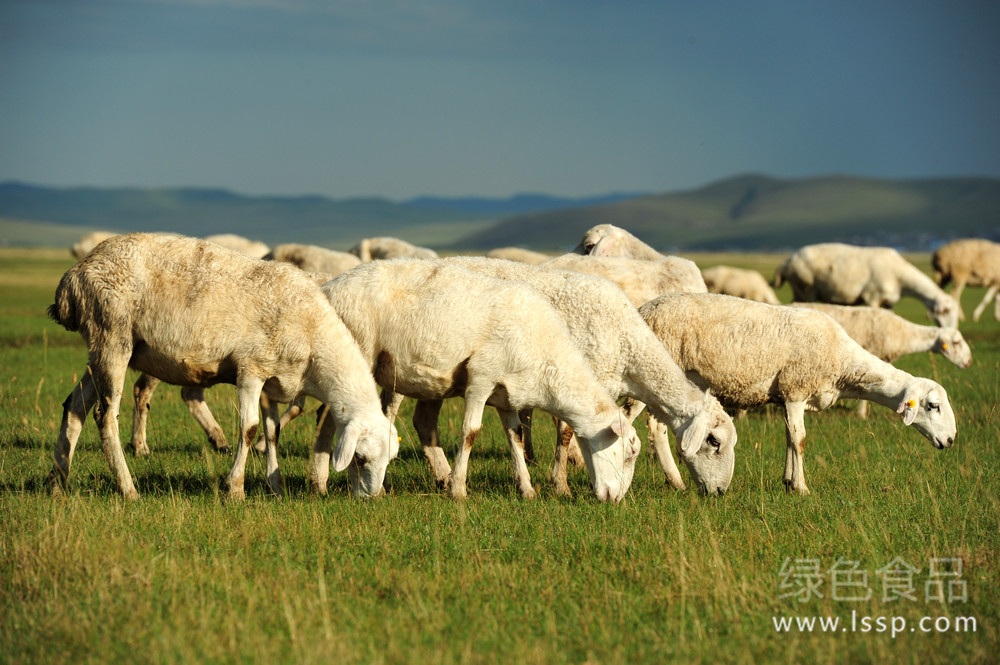
Sheep "craving green grass" disease occurs frequently in spring, sheep farmers must prevent it in advance
"Craving green grass" is also a disease; beware of sheep "craving green grass" disease in spring
-
How to observe and diagnose sheep diseases? These six methods you need to know
Inspection is the direct observation of the sheep's mental state and the various abnormal changes it presents. Healthy sheep generally compete for feed, move at the same speed, and react quickly; sick sheep often lag behind the flock, stop eating, stand still, or lie down. Posture: healthy sheep have bright, spirited eyes and move lively and steadily; when sheep are sick they often show unsteady movement or are unwilling to walk, and some infectious diseases also present special postures, such as tetanus manifesting as stiff limbs, and sheep with coenurosis (brain tapeworm cysts) or sheep nasal bot fly turning in circles, and lameness. Body condition: generally, in cases of acute anthrax, sheep bradsot (fast disease), sheep black disease, sheep (sheep sudden death), sheep enterotoxemia, etc., the sick sheep's body may still appear fat and strong; on the contrary, when generally suffering from chronic infectious diseases and parasitic diseases, sick sheep are mostly thin and weak.
-
Detailed Explanation of Disease Prevention and Control Strategies for 4- to 6-Week-Old Chickens
1. Lock down and isolate the brooding area to prevent disease transmission via personnel, supplies, vehicles, other chicken flocks, and other routes. Maintain hygiene inside and outside the chicken house; persist with disinfecting the chickens in place and disinfecting the environment outside the house. When no live vaccine immunization is being carried out, ensure disinfection twice a day to reduce the pathogen load in the environment. 2. At this stage, the flock transitions from having a preliminary ability to regulate body temperature to being fully able to regulate body temperature. Therefore, in the relationship between temperature and ventilation, it should gradually shift from prioritizing warmth during 0 to 3 weeks to placing equal emphasis on temperature and ventilation, and finally to prioritizing ventilation. In the later period
-
Analysis of Neurological Symptom Diseases Caused by Calcium-Phosphorus Metabolism Disorders in Chickens
Strictly speaking, the neurological symptom disease caused by calcium-phosphorus metabolism disorders should be described as chondropathy (rickets/osteomalacia). It is characterized by deformation of the keel bone, weak expansion of the ribs, and legs that are brittle and easily broken. Affected chickens walk weakly and have difficulty breathing, and when held, they show no struggling response. It is commonly seen in chicks and also readily occurs in various caged chicken flocks. Besides an imbalanced calcium-to-phosphorus ratio, deficiencies of vitamin A and D3 are also among the causes of calcium-phosphorus metabolism disorders. The most common lesions found on pathological necropsy are vertebral hyperplasia of the ribs and severe deformity at the junction of the ribs and cartilage. Supplementing the feed with vitamins and calcium carbonate can quickly reverse these symptoms.
-
Common Disease Prevention and Treatment Methods and Key Technical Points for Fish and Crabs
I. Grass carp hemorrhagic disease. Symptoms: bleeding in the fins, mouth cavity, eye sockets, muscles, and intestines, partially or entirely bright red. Prevention and treatment: 1. Broadcast dibromohydantoin or chlorine dioxide over the entire pond, using 200 grams of dibromohydantoin or chlorine dioxide per 1 mu of water surface at a depth of 1 m. Apply once more after 2-3 days. 2. Mix into bait and feed Yu'erkang, mixing 1 kg of Yu'erkang per 50 kg of feed, and feed continuously for three days. 3. Mix into bait and feed Suke, mixing 50 grams of Suke per 50 kg of feed, feeding once a day for three days as one treatment course. If combined with external application of dibromohydantoin,
条件筛选