-
What to do if a Phalaenopsis flower spike breaks but does not come off completely? Handle it differently depending on where it broke
You have been carefully growing a Phalaenopsis, a flower spike emerges, and just as it is about to bloom you accidentally knock it and break it - sometimes it does not come off completely, sometimes it snaps clean into two pieces. Do not panic! A broken flower spike can be handled according to the situation, and if you find the right method there is still a chance to save it. Below we explain the response techniques clearly. The flower spike is the "key channel" for a Phalaenopsis to bloom; when it is not completely broken, fix
-

When does the high-incidence period for Phalaenopsis pests and diseases occur, and what should be noted for prevention and control?
When it comes to Phalaenopsis (moth orchid), the flowers are certainly beautiful, but if pests and diseases strike, that is really frustrating. Many people wonder why a perfectly healthy flower suddenly wilts while they are caring for it. In fact, its illnesses are not without patterns, and there are certain periods when problems are especially likely to arise. The transition between spring and autumn each year is when Phalaenopsis pests and diseases
-

Why do strawberry leaves grow well but the plant does not bloom, and what are the causes
Do some of you have strawberries at home with lush, thriving leaves but barely any flowers? Don't worry, today let's talk about the reasons for few strawberry flowers, plus a super practical rescue guide. The reason strawberries only grow leaves without blooming: fertilizer mistakes: once nitrogen fertilizer takes over, the strawberry plant goes crazy growing leaves! Excess nitrogen fertilizer makes the plant grow leggy,
-
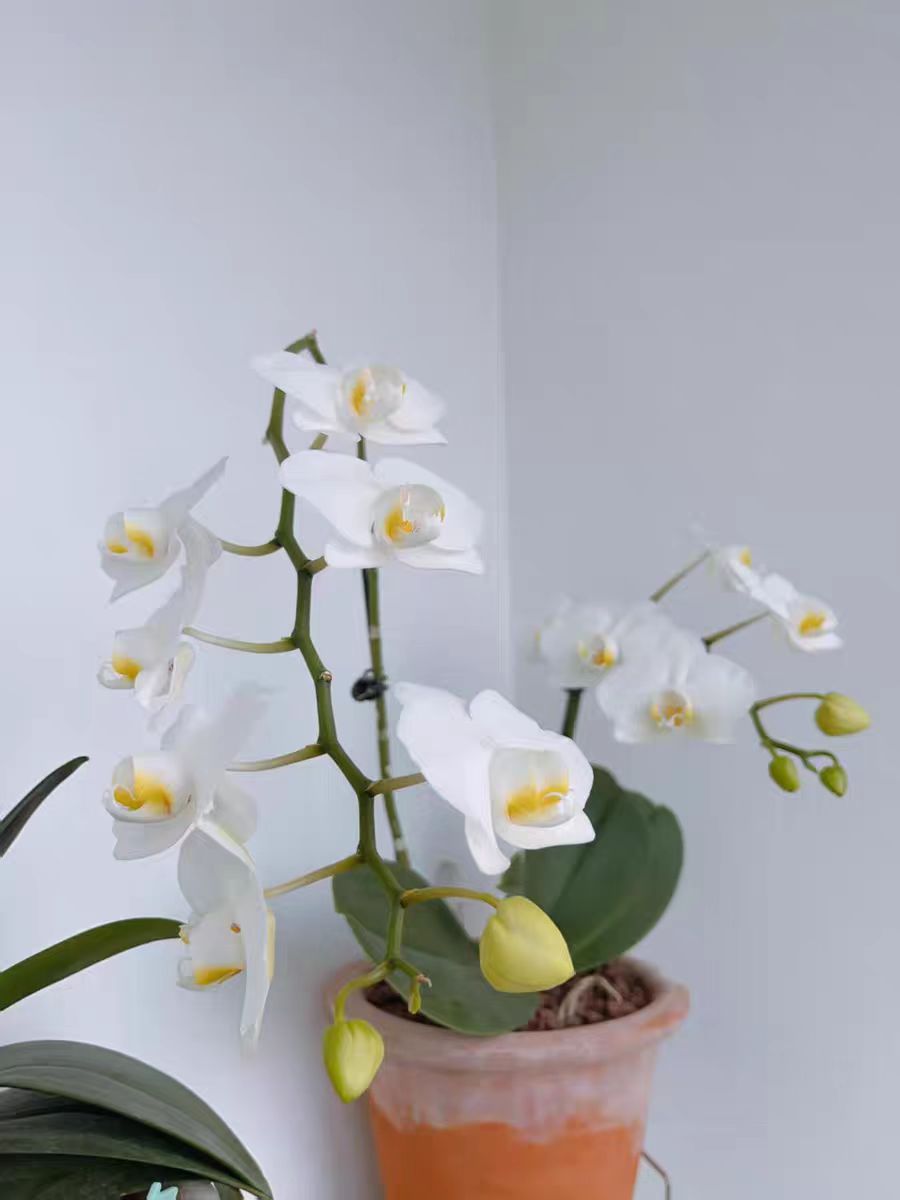
Does not sterilizing the tools affect the propagation of Phalaenopsis?
During the propagation of Phalaenopsis, many people choose methods such as division and cutting to cultivate new plants. However, many people often overlook a
-

Reasons Why Phalaenopsis Does Not Grow After Pruning and the Correct Pruning Method
Many people find that after pruning their Phalaenopsis, the plant refuses to grow for a long time, and the expected new shoots and reblooming never appear. What exactly causes a Phalaenopsis to stop growing after pruning? And how should it be pruned correctly? Reasons why Phalaenopsis does not grow after pruning: Improper pruning timing: The growth and dormancy of Phalaenopsis follow a certain pattern. If pruned during its dormant period, the plant's physiological activity is low, its ability to heal wounds and sprout new shoots is weak, and growth stagnation easily occurs. For example, pruning in a low-temperature winter environment means the Phalaenopsis grows slowly and may show no new growth for a long time. In addition, right after the flowering period ends, the plant has consumed a large amount of nutrients; pruning immediately at this time without giving it time to recover its strength will also affect subsequent growth.
-

Reasons Why Phalaenopsis Does Not Bloom for a Long Time and How to Solve It
Phalaenopsis orchids have delicate, beautiful flowers and are a popular choice for indoor ornamental plants. However, many flower enthusiasts are full of anticipation, only to be disappointed when their Phalaenopsis does not bloom for a long time. Don't worry - as long as you identify the cause, you can help your Phalaenopsis bloom again. Reasons why Phalaenopsis does not bloom: Improper temperature: The suitable growing temperature for Phalaenopsis is
-

Common Problems with Phalaenopsis and Their Solutions: Does "keeping it on the dry side" mean not watering it?
Many people love Phalaenopsis simply because its flowers always display a dazzling, distinctive form that keeps the eyes busy. Many people, when buying one, ask the florist whether its blooming period is long and what to pay attention to when caring for it. Generally speaking, in order to get you to buy, the shopkeeper will deliberately simplify the care knowledge when explaining, making you mistakenly think it can be cared for like other flowers.
-

How to revive a Phalaenopsis orchid after sun scorch so it does not die?
When caring for Phalaenopsis orchids, many growers often run into a tricky problem: what effect does harsh sun exposure have on Phalaenopsis orchids? And if a Phalaenopsis orchid accidentally gets sunburned, how can we help it recover? The leaves of Phalaenopsis orchids are relatively delicate and have rather specific light requirements. A moderate amount of light supports their normal growth and
-

How Many Times a Year Does Gloxinia Bloom? Master the Growing Methods and Points to Note
Gloxinia (Sinningia speciosa), as a flower with extremely high ornamental value, is deeply loved by flower enthusiasts. However, regarding the flowering frequency of gloxinia, it may not be as frequent as some plants that bloom in multiple seasons. Gloxinia blooms only once a year, and its flowering period is mainly concentrated in spring, especially around April when it first blooms, then entering
-

The Flower Language and Symbolic Meaning of Lady Banks' Rose and an Analysis of Why It Does Not Bloom in the South
I believe many flower lovers are fond of plants with an enormous number of blooms. Today let's talk about this "Lady Banks' rose" (Rosa banksiae), whose flowers pour down like a waterfall. It is a flowering plant belonging to the phylum Dicotyledonous plants, and its blooming period is generally from March to July. The flowers are mostly white or yellow, and after blooming they carry a rich floral fragrance. With just a gentle sniff
条件筛选