-
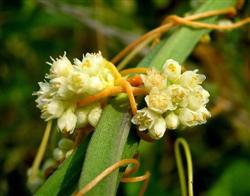
How to control dodder (Cuscuta) on lychee and longan
Dodder has no roots and no leaves, but its stem bears serrated haustoria (or sucking roots), which it uses to penetrate deep into the bark to absorb nutrients, affecting the growth of the fruit seedlings; in severe cases it can cause the seedlings to wither and die. It is more commonly seen in mature lychee orchards in mountainous areas. Dodder can flower and set seed; the flowers are small and white, and the fruit drops to the ground on its own after ripening...
-

-

-

How to control dodder in soybean? Detailed control methods
Soybean dodder is a malignant parasitic weed, mainly parasitizing crops or weeds in the Fabaceae, Chenopodiaceae and Asteraceae families, and it also harms peanuts, alfalfa and potatoes.1
-
Harm and Control Methods of Dodder in Potatoes
[Host crops] Potato, tomato, eggplant, pepper, Chinese onion, soybean and many other crops. [Disease diagnosis] It occurs sporadically or in patches in the field. Dodder twines its vine stems around the stems of the plants, coiling around them, and at the point of contact with the potato plant it grows haustoria that penetrate into the stem or petiole tissues, absorbing the plant's water and nutrients, causing the affected plants to grow weakly. The plants are stunted, with bent and slender stems, small and yellowing leaves, and few and small tubers. In severe cases, the stems and leaves of the plant are completely covered with dodder, and the whole plant stagnates and stops growing until it dies. The pathogenic dodder is Chinese dodder (Cuscuta chinensis). The dodder stem is slender
条件筛选