-

Why do tomato seedlings wilt and develop root rot after transplanting, and can they still survive?
Did your freshly transplanted tomato seedlings suddenly wilt, develop root rot, or even die? Don't panic! It is most likely that these 3 issues were overlooked. Below, we'll help you quickly identify the cause and save the seedlings to protect your harvest. Cause 1: Planting too deep + watering too much, leaving roots suffocated, rotten and deprived of oxygen. Beginners often make the "deep planting, waterlogged roots" mistake: when planting, the soil is mounded too deep (the stem is buried more than 5cm), and watering
-
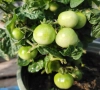
Why Tomatoes Develop Stunted Fruit After Flowering and How to Handle It
Your tomato plants have flowered and set fruit, yet one by one the fruits just sit there on the vine without growing? Those small, hard, stunted fruits are a depressing sight. You clearly haven't skimped on watering or fertilizing, so where exactly is the problem? Today let's talk about the causes of stunted tomato fruit and how to solve them. Why do perfectly good fruits end up "frozen" in place? In fact, stunted tomato fruit is mostly
-

How do you tell whether a Phalaenopsis is in good condition? If the root system is underdeveloped, here is how to fix it
Many people probably want to grow a Phalaenopsis themselves, but quite a few forums say this plant is rather "delicate" and that no ordinary person can grow it well. Is that really true? Today I am here to set the record straight for the Phalaenopsis: it is actually very easy to grow. In home care, as long as the temperature is suitable, it can bloom for months on end.
-

How to Grow Phalaenopsis with Few Roots So It Develops a Vigorous Root System
Behind the elegant flowers of the Phalaenopsis orchid lies the support of a strong, well-developed root system. During care, many growers run into the problem of a Phalaenopsis having few roots, which not only affects the plant's growth but may also hinder flowering. So how exactly can you get a Phalaenopsis with few roots to produce more roots and thus develop a vigorous root system? First,
-

Why Mango Phalaenopsis Leaves Turn Yellow, Black, and Develop White Spots, and How to Fix It
The Mango Phalaenopsis (Phalaenopsis hybrid) has a very distinctive appearance. Its leaves are long and narrow, dancing like butterfly wings; its flowers are large and showy, with petals in a mango-like golden yellow that give off a captivating fragrance. Overall, the Mango Phalaenopsis looks like a beautiful butterfly dancing among the flowers, making it hard to tear your eyes away. But man
-

Why do Kalanchoe leaves develop white patches, and how to grow it: methods and precautions?
Kalanchoe (Kalanchoe blossfeldiana) is a common indoor ornamental plant, loved for its unique flower shape and long blooming period. However, during cultivation, Kalanchoe sometimes develops white patches, which leaves many flower growers puzzled. Next, let us explore together the causes of white patches on Kalanchoe and how to deal with them,
-

Is the Alocasia (Dumb Cane) Poisonous? How to Grow It at Home So It Thrives and Develops a Thick Old Stem
Alocasia, a common indoor foliage plant, is loved by many households for its unique form and good air-purifying effects. However, before considering bringing it into the home environment, an important question stands before us: is Alocasia poisonous? The answer is yes, the entire Alocasia plant is toxic,
条件筛选