-
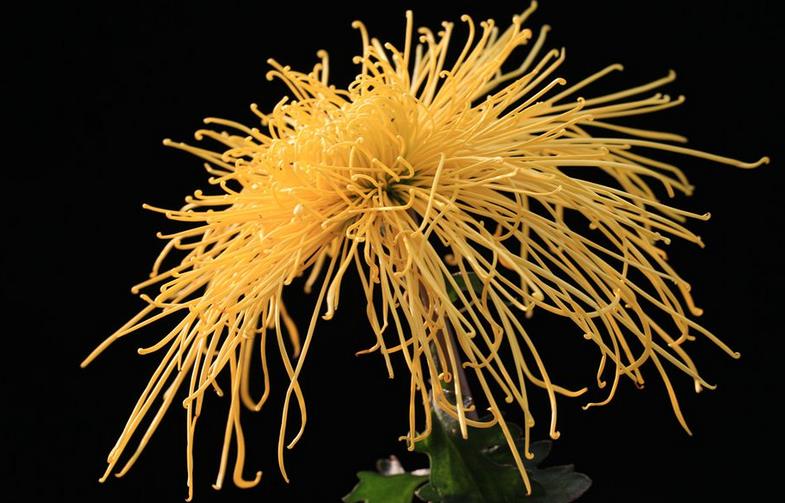
Causes of Deformed Chrysanthemums and a Detailed Explanation of Various Propagation Methods
What are the causes of deformed chrysanthemums? ① When chrysanthemums form buds, the side buds should be removed promptly, and initially 2 terminal buds should be kept; when they grow larger than a bean, only 1 well-formed bud should be retained. Never bruise the retained bud or pinch it with your fingers; buds that have been damaged or pinched with fingers will not open into round, complete flowers.
-

Causes of Deformed Onions and How to Prevent and Treat Them
Causes of Deformed Onions and Prevention and Control Methods
-

What causes deformed roots in radishes? How to prevent and control them
Causes of deformed roots in radishes and prevention and control methods
-

What causes deformed oyster mushrooms? With control methods
Causes of deformed oyster mushrooms and control methods
-

Causes of Deformed Mushrooms in Agaricus bisporus and Their Prevention and Control Methods
1. Deformed mushrooms. When ventilation is poor and the carbon dioxide content in the mushroom house exceeds 0.3%, deformed mushrooms are likely to appear. If the fruiting position is too deep, mushrooms growing between the cracks of the coarse soil also tend to be deformed. The key to prevention and control is to pay attention to ventilation and air exchange in the mushroom house. 2. Red root mushrooms. Slightly acidic cultivation material, a high-temperature stage before fruiting, excessive water content in the casing soil layer, excessive application of glucose as a supplemental fertilizer, and poor ventilation in the mushroom house can all easily lead to red root mushrooms. The pH of the compost should be properly adjusted, the water content of the casing soil should be maintained at 22%-25%, watering should be avoided during high temperatures, and the concentration of supplemental fertilizer should be appropriate.
-
Prevent deformed mushrooms early, cultivation of edible fungi must be taken seriously
Deformed mushrooms: when ventilation is poor and the carbon dioxide content in the mushroom room exceeds 0.3%, deformed mushrooms easily appear. If the fruiting position is too deep, mushrooms growing in the cracks of coarse soil also often become deformed. Key attention should be paid to ventilation and air exchange in the mushroom room. Water-rust spotted mushrooms: if the mushroom room and the surface of the growing substrate are not ventilated and aired in time after watering, the mushroom room humidity is too high, small water droplets appear on the surface of the mushrooms, and over time rust-colored spots will form. Therefore, after each watering, doors and windows should be opened for 30 to 60 minutes for ventilation and air exchange. Hollow-stem white-core mushrooms: too little watering, the casing soil layer is relatively dry, and the fruiting bodies get
-
What Types of Physiological Deformities Occur in Mushrooms? A Full Analysis of Common Types
Mushroom deformities are mostly triggered by temperature differences or unfavorable environmental conditions; they may also be related to the strain used. The common deformed mushrooms mainly include the following types: 1. Hollow stipe. From the outside the mushroom looks normal, but when the base is cut off, part of the stipe is found to be hollow, usually with a ring-shaped cavity around a hard core. Afterwards, the cut surface of the stipe may split and curl backward, making the mushroom poor in appearance and reducing its marketability. Cause: This is mainly caused by low air humidity during the fruiting period, rapid evaporation of water from the mushroom body, and overly dry casing soil,
-
Cause analysis and preventive measures for deformed mushrooms
In mushroom cultivation, the following deformed mushrooms occur at a relatively high rate. The causes and preventive measures are as follows: The "landmine mushroom" is caused by excessive ventilation of the mushroom house after the coarse soil particles are sprayed wet, low temperature, too late covering with fine soil, and overly wet fine soil particles, which make the primordia of the fruiting bodies attach too low; during the growth of the primordia, they are squeezed by the surrounding soil particles, so the mushroom shape is not round and the surface carries soil, resembling a "landmine." The preventive method is to strengthen water management; coarse and fine soil should be sprayed wet at the right time and slowly; after the coarse soil particles are sprayed wet, reduce ventilation and maintain the relative air humidity in the house at about 80%
-
What are the control methods for deformed mushrooms?
Deformed mushrooms mainly occur when ventilation is poor and the carbon dioxide content in the mushroom house exceeds 0.3%. Mushrooms that emerge too deep, growing out of cracks in the coarse soil, are also often deformed. For preventive measures, focus on ventilation and air exchange in the mushroom house. Ground bud mushrooms: when the compost is brought into the mushroom house with excessive moisture, when the mushroom house is ventilated too long during watering of the coarse soil, when the fine soil is covered too late, or when the temperature is relatively low, ground bud mushrooms are likely to appear. For preventive measures, master proper watering amounts and timely ventilation so that the mycelium hangs above the clay and below the fine soil.
-
Causes and Control Methods of Deformed Mushrooms in Greenhouses
1. Hollow white-stem mushrooms. The mushroom stems become loose and white, and in severe cases shrink to form a hollow center. Causes: during the fruiting body growth stage, it is caused by dry air and high temperatures. When the relative air humidity is below 85%, the water content of the casing soil layer is relatively low, and the temperature inside the mushroom house is above 18°C, the mushrooms grow quickly and evaporate water quickly, causing the water absorbed by the mushroom body to be less than the water lost through transpiration. Control methods: spray water promptly during the day to keep the relative air humidity at 90%, and ventilate promptly after spraying water in the morning and evening to lower the greenhouse temperature, keeping it at 14-
条件筛选