-
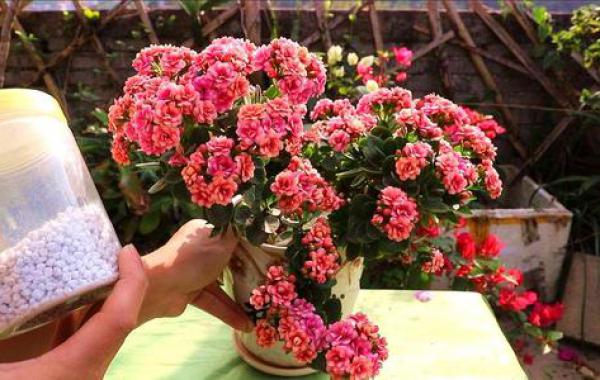
How should flowers be cared for to avoid frost damage from sudden temperature changes?
How should flowers be cared for so they are not frostbitten by sudden temperature changes?
-

Chiayi fisheries hit by cold damage: Chen Chi-chung goes south to inspect the disaster
Affected by successive days of low temperatures from two cold fronts, milkfish (working fish) raised in polyculture with hard clams in Budai Township, Dongshi Township, and Yizhu Township of Chiayi County suffered losses. On the afternoon of the 10th, Council of Agriculture Minister Chen Chi-chung, accompanied by Chiayi County Magistrate Weng Chang-liang, Legislator Tsai Yi-yu, and Budai Township...
-

How to avoid pesticide damage to flowers? These prevention methods you need to master
How can pesticide damage to flowers be avoided?
-
What are the control methods for acid and alkali damage in flowers?
Acid and alkali damage in flowers and its control
-
How to avoid pesticide damage to flowers? Practical prevention methods you need to master
How to avoid pesticide damage to flowers?
-
How to prevent pesticide damage when applying pesticides to flowers
How can pesticide damage be prevented when applying pesticides to flowers?
-

What methods are there to prevent high-temperature damage to flowers?
What measures can reduce the harm of high temperatures to flowers?
-
What measures are there to prevent frost damage during the flowering period of walnut trees?
1. Choose suitable sites and varieties. Refer to the results of local agroclimatic zoning, rationally plan the industry layout, and choose favorable terrain that is not prone to cold air accumulation, to resist and avoid the harm of low-temperature frost. Generally, cold air tends to gather in valleys or low-lying areas, often causing frost, so
-
What are the remedial measures after late frost damage?
1. Carry out artificial supplementary pollination in a timely manner. If the late frost occurs relatively early and the temperature drops below 0°C, the flowers that are opening or have already opened suffer severe low-temperature damage and have lost the ability to pollinate, fertilize and set fruit. At this time, after the frost, artificial pollination should be carried out on the unopened mid- and late-season flowers.
-
How to Control Walnut Slug Moth Pests and Diseases
1. Distribution and damage symptoms. They are a group of omnivorous pests, commonly including the yellow slug moth, the brown slug moth, the green slug moth, and the flat slug moth, all distributed throughout the country. The larvae feed on leaves, affecting tree vigor and yield, and they are important pests of walnut leaves. Young larvae feed on the lower epidermis and mesophyll of the leaf surface
条件筛选