-
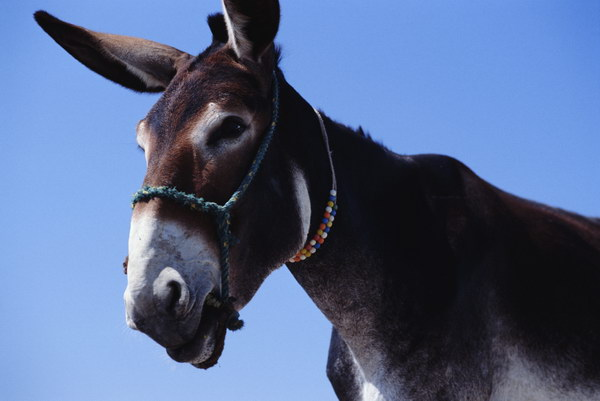
Analysis of the Current Status and Future Trends of China's Donkey Farming Industry
Analysis of the Current Status and Trends of China's Donkey Farming Industry
-
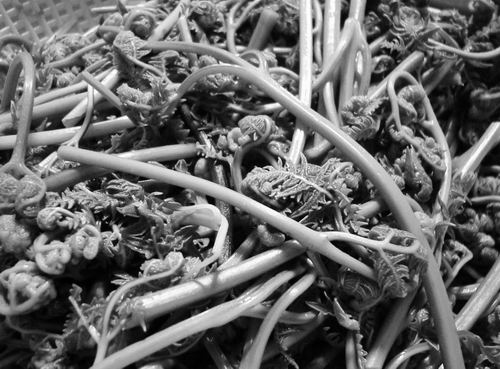
Analysis of the Current Status and Prospects of Wild Vegetable Cultivation: An Emerging Industry Makes Its Mark
The wild vegetable cultivation industry is emerging, current status and prospects of wild vegetable cultivation
-
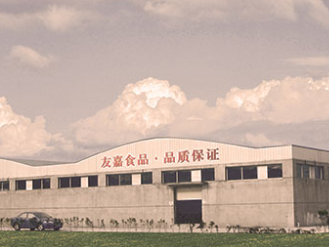
What is the current status of Youjia Seasoning? Interpreting its designation as an Olympic-designated product
The current status of Youjia Seasoning as an Olympic-designated product
-

Analysis of the Current Development Status and Prospects of the Broiler Farming Industry
Current Development Status and Prospects of the Broiler Farming Industry
-
How Can China's Dairy Industry Revitalize? Analysis of Current Status and Way Out
How Can China's Dairy Industry Revitalize
-
Current Status and Progress of Research on Porcine Ophthalmic Diseases
Researchers in veterinary medicine at the University of Florida in the United States used pigs as experimental subjects and specially treated the feed provided so that it created a zinc-deficient condition. As a result, this treatment group may have caused chronic damage to the pigs' retinas, and it may be related. Veterinary ophthalmology experts have completed monitoring changes in blood, skin, body weight and major organs in young piglets and older pigs. The pig eye is very similar in structure to the human eye. This group of researchers has
-
Analysis and Suggestions on the Current Status of Soybean Production in Huludao City
Soybean is one of the main crops in Huludao City and also a traditional crop. Soybean is both a protein crop and an oil crop. In recent years, soybean production has developed slowly, with no major breakthroughs. This article analyzes the current status of soybean production in Huludao City for reference. 1. Current status of soybean production. According to statistical data, from 1996 to 2005, the soybean planting area in Huludao City fluctuated considerably, hovering between 10,000 and 26,000 hectares. Among these, 2000 was the highest at 26,000 hectares, and 2005 was the lowest at 10,000 hectares. There were 5 years each in which the planting area exceeded 20,000 hectares and fell below 20,000 hectares. The soybean planting area accounted for about 11% of the total grain and soybean area. Soybean yield per unit was unstable; the lowest yield per unit was in 1999, only 613.0 kg/hectare; the highest yield per unit was in 2004, 2603.6 kg/hectare. Under normal circumstances, the yield per unit is 1700-2100 kg/hectare, which is at the lower-middle level in Liaoning Province.
-
Hubei: Current Cotton Growth Status and Field Management Recommendations
According to the survey results of August 5, most cotton fields in our city have currently entered the flowering and boll-setting stage. The average density of cotton fields in our city is 1266 plants/mu. The average plant height is 90.2 cm, the number of fruit branch layers is 15.8, the number of empty branches is 0.1, the total number of fruit nodes is 51.1, with 5.1 large bolls, 2.3 small bolls, 1.4 flowers, 31.6 buds, and 11 abscised buds and bolls, with a bud and boll abscission rate of 21.6%. In view of the current situation, field management should currently focus on the following points: 1. Focus on per-unit yield, grasp the "two striving" This year's cotton growth is relatively
-
Current Status, Existing Problems and Future Development Directions of Sericulture in Guizhou
1 Current Status of Development As a traditional export industry of China, the cocoon and silk industry, since entering the "10th Five-Year Plan" period, has adhered to a market-oriented approach, taken development as its theme, and relied on reform, opening up and scientific and technological progress as its driving forces. By comprehensively applying the state's reform and development policies, strengthening macro-control, and intensifying structural adjustment, it has effectively overcome the phenomenon of "drastic fluctuations," enabling the entire industry to emerge from the trough and basically maintain sustained and steady development. The quality of economic operation has improved markedly, with production capacity, efficiency and export earnings surpassing the best historical years. "Chinese silk
-
Analysis of the Current Status and Existing Problems of Upland Rice Production
Upland rice, also known as dryland rice, is a type of cultivated rice with strong drought resistance, tolerance to poor soil, and suitability for dryland direct seeding and dryland management. It can be planted in any soil suitable for growing major dryland grain crops such as wheat and corn. It does not require water layer management throughout the entire growth period, and its irrigation volume is only 1/4 to 1/10 that of paddy rice. Upland rice is more drought-tolerant and barren-tolerant than paddy rice, and has the water-saving characteristics of low input and high output. I. Overview of World Upland Rice Production Currently, the world's upland rice planting area is 0.18 billion hectares. In West Africa, upland rice accounts for more than 75% of the rice growing area, and in
条件筛选