-

Control Methods for Common Pests and Diseases of the Spider Brake Fern
The spider brake fern is not easily affected by pests and diseases during its growing period. However, when the growing environment has too low a temperature, poor ventilation and light penetration, and too high air humidity, it is highly susceptible to gray mold and damping-off, accompanied by pests such as red spider mites, scale insects, and slugs, causing the plant to develop wilted, drooping leaves, or even die.
-
Detailed Explanation of Pest and Disease Control Techniques and Methods for the Boston Fern
The Boston fern (Nephrolepis auriculata) suffers from few pests and diseases during cultivation, but sometimes, due to poor management, the following problems can still be encountered: for example, in overly damp places there will be slugs causing damage; when ventilation is poor, scale insects may appear; in addition, nematodes sometimes cause damage as well, producing brown round spots on the leaves and affecting their ornamental value. These problems
-
Identification and control methods for diseases of the Brazilian wood plant
Gray mold control: During cultivation, the soil must be moist and sunlight abundant, and the soil is required to be loose, fertile and well drained, with the wintering temperature not lower than 16°C. When the disease occurs in the rainy season, remove diseased residues, drain promptly after rain, prevent moisture from lingering, and strengthen ventilation and light penetration
-
What are the common pests and diseases of lotus? A detailed explanation of prevention and control methods
1. Black spot disease: In the early stage, irregular brown lesions appear on the leaf surface, with slight concentric rings. Later, dark black mold-like growth appears on the lesions, and several lesions often join together to form large patches. In severe cases, the entire plant dies.
-
Identification and Control Methods for Common Pests of Pilea
Scarab Beetles Scarab beetles are invertebrates and are considered omnivorous, eating just about anything. Different species live in different environments, such as deserts, farmland, forests and grasslands; in short, they can be seen just about anywhere. There are many species of scarab beetles.
-
Common Diseases of Fatsia japonica and Their Control Methods
Chlorosis. Chlorosis is a common disease of Fatsia japonica. When chlorosis occurs, the leaves lose their green color and turn yellow. There are many causes of chlorosis in Fatsia japonica; it may be iron-deficiency yellowing or other causes. Generally, during cultivation, management should be strengthened and fertilization should be rational, which can treat chlorosis.
-
Symptom Identification and Control Methods for Powdery Mildew on Euonymus japonicus
Symptoms mainly affect young new shoots and leaves, mostly occurring on the underside of leaves. When the disease strikes, small round powdery spots first appear on the surface of young leaves, then gradually expand, and the lesions gradually spread into round powdery layers; the powdery layer on old lesions turns grayish-white. In severe cases, the entire leaf is covered with powdery mildew, the leaf shrinks and develops faded patches
-
Symptoms and Control Methods of Leaf Blight in Maidenhair Fern
Symptoms: Scale insects are a common pest of maidenhair fern, and are extremely likely to occur in warm, humid conditions with poor ventilation. When affected, white bumps can be seen on the leaves, the leaves droop and wither, and in severe cases the entire leaf turns scorched yellow. Control methods: Maidenhair fern has many leaves, making it very difficult to check every leaf for scale insects
-
Identification and Control Methods for Scale Insect Pests on Maidenhair Fern
1. Cause One: Delayed Pruning. When dead leaves are found on maidenhair fern during care, they should be removed promptly to keep the plant fresh and attractive and to encourage new leaf growth. Otherwise, the branches and leaves will become too messy and crowded, leading to weakened growth and yellowing, withered leaves.
-
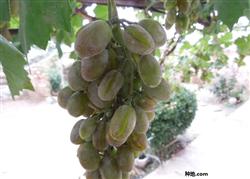
Causes of Grape Berry Cracking and Detailed Control Methods
Why do grapes crack? How to prevent and control it, please advise. Table grapes are currently an important tree species in fruit cultivation in China, but berry cracking often occurs before grape harvest, especially in rainy years during the late fruit-ripening stage. Cracking not only affects the appearance of the fruit but also leads to infection by external microorganisms, causing...
条件筛选