-
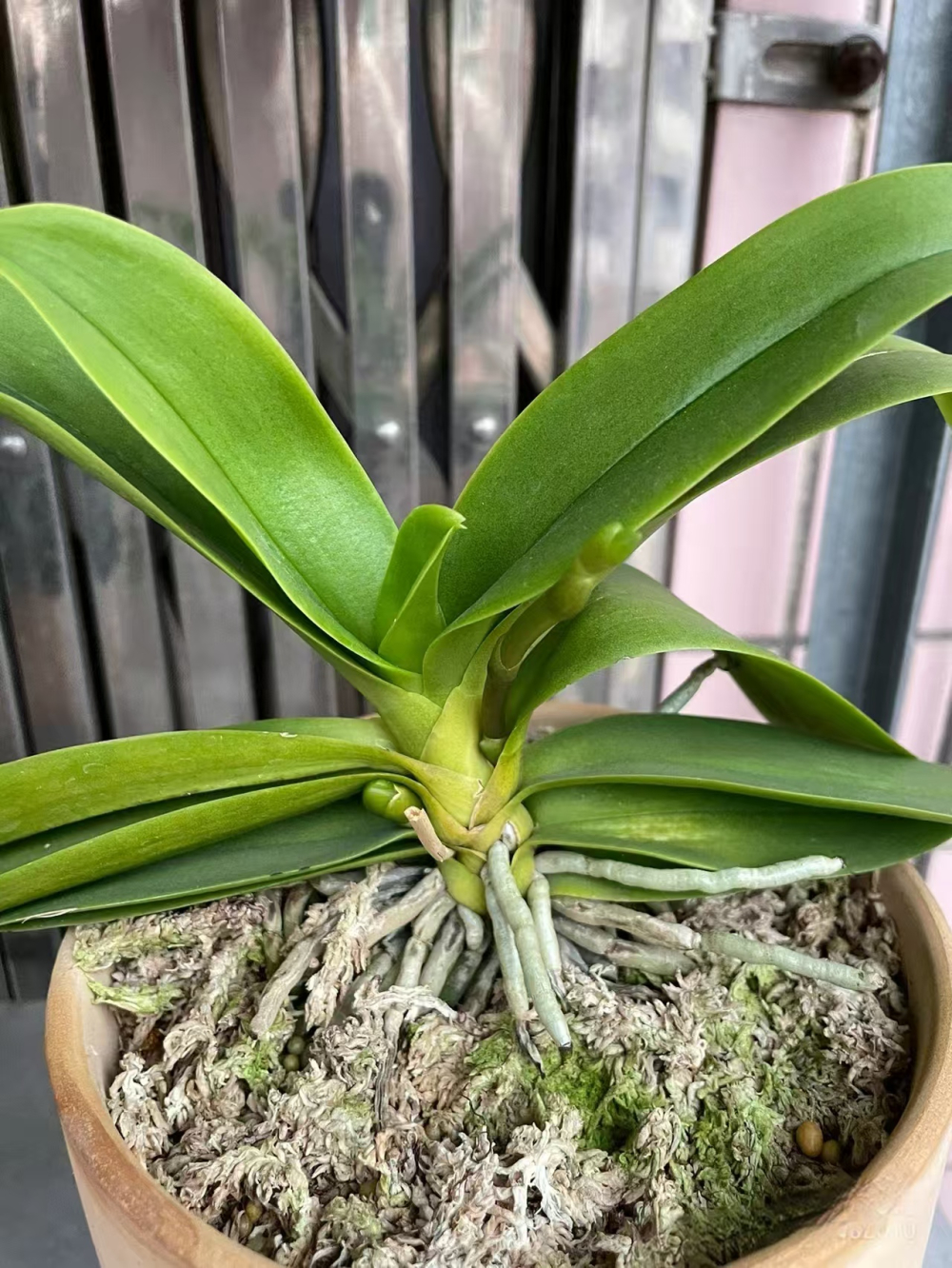
How to best get a Phalaenopsis orchid through the winter? Answers to common winter care questions
Whoever grows flowers and plants hopes for a full, bursting pot, since only a lively display looks good. Yet for some ordinary flowers, once you bring them home and care for them casually, they may well fulfill a flower lover's wish for a bursting pot, but if what you choose is a Phalaenopsis orchid, that is another matter. Many flower lovers have written in to report that when they went to the flower shop, they clearly chose a
-

A Detailed Guide to Beginner Chicken-Raising Techniques: Common Questions Answered in One Go
Currently, more and more people in China are raising chickens, but every year more and more people give up too. They do not have a good enough grasp of chicken-raising techniques, are full of confusion about whether it will be profitable, face competition from peers, market factors, insufficient preparation work, and problems they encounter that they cannot solve. In fact,
-
Latest roundup of common questions about growing Bletilla striata (hyacinth orchid)
The medicinal herb Bletilla striata has slowly been knocked off its pedestal, but there are still plenty of people growing it. Whether you are planning to grow it or are already growing it, you should take a good look at the information below! It is all closely related to growing Bletilla striata.
-
Family Flower Growing: Common Questions Answered, a Newly Compiled Guide to Understand It All in One Article
As people's living standards improve, many have started choosing to grow flowers at home. Placing a few pots of flowers at home can decorate the family environment, purify the air, and cultivate one's spirit, achieving multiple benefits at once. But many people encounter
-
Introduction to French Marigold and Latest Answers to Common Questions
French Marigold is an annual herbaceous plant of the Tagetes genus. It is said that it was originally called sun flower, because like the sunflower, it has the habit of blooming at sunrise and closing at sunset, and it also grows in a phototropic manner. Its blooms are brilliant and its colors are rich, and its appearance is similar to that of marigold, with
-
Latest Introduction to Banana Shrub (Michelia figo) and Answers to Common Questions
The banana shrub (Michelia figo) has an elegant appearance, with green leaves and fragrant flowers, and a long history of cultivation. Ancient scholars and writers all praised it highly. Its flowers open but do not fully spread, like a person smiling without speaking, which is how it got the name "Hanxiao" (meaning "smiling"). The flowers open in the early morning and are full of fragrance at night. When the buds swell and are about to split and fall off,
-
The Latest Introduction to Astragalus sinicus (Chinese Milk Vetch) and Answers to Common Questions
Astragalus sinicus, as its name suggests, has pale purple flowers that bloom beautifully. In addition, it is a well-known Chinese herbal medicine and a plant that combines ornamental and practical value. It is distributed throughout China, mostly growing in moist places in valley forests at an altitude of 400-3000 m. Below
-
Latest Answers to Common Grape Growing Questions
1. How many methods are there for propagating grape vines? There are usually two methods for propagating grape vines: one is asexual propagation, that is, vegetative propagation; the other is sexual propagation, that is, propagation by seed. Vegetative propagation uses part of the organs of the grape plant, mainly the
-
What plant is Joseph's coat? Introduction and analysis of common growing questions
Joseph's coat has many names; it is also called laolaisao, leaf cockscomb, three-colored amaranth, laoshaonian and laolaijiao, and it is a fairly common ornamental plant in China. It is usually seen in flower beds and pots, because the color of its leaves is quite special and can form
-
Green-shell laying hen feeding methods and answers to common feed questions
Feeding time and frequency for green-shell laying hens: The daily feeding frequency for green-shell laying hens is 6 times in the 1st week, 5 times in the 2nd week, and 4 times per day from the 3rd week onward. When the lights are turned on in the morning, give the green-shell laying hens their 1st feed. After the green-shell laying hens finish each portion of feed, wait 30 minutes before adding the next portion. In the evening
条件筛选