-

How to Clean Phalaenopsis (Moth Orchid) Leaves and Precautions for Wiping Leaves Under Strong Light
Growers of Phalaenopsis have surely noticed that the orchid leaves always collect a layer of dust, feel rough to the touch, and look listless. At times like this, you want to give them a wash, but you are afraid of damaging them - after all, these leaves look so tender, so what is the right way to wash them? Some people also ask, is it okay to wash the leaves under the blazing sun? Why should you wash Phalaenopsis
-

How to grow cherry tomatoes in pots? Environmental requirements and planting precautions
Who wouldn't want to grow cherry tomatoes hanging all over the branches on their balcony? But if you want your cherry tomatoes to grow well and bear lots of fruit, environmental management is key! Today I'll go over temperature, light, watering, and soil in detail, so even beginners can get the hang of it easily. Temperature: Germination stage: If you want the seeds to sprout quickly, you need to give them enough warmth!
-

Bare-Root Hydroponic Growing Methods and Precautions for Phalaenopsis Orchids
I believe that whether you are a new flower enthusiast or a veteran grower, anyone who has kept "Phalaenopsis" orchids has encountered root rot and hollow roots. The cause of hollow roots is that the root has lacked water for a long time, then after exhausting itself it becomes shriveled. As for root rot, it is mostly because the ventilation environment is not good enough while the growing medium retains water too well, which then leads to long-term water accumulation.
-

Causes of aerial roots and root rot in Phalaenopsis orchids and watering precautions
I believe that whether you are a new flower lover or a veteran one, anyone who has grown "Phalaenopsis" orchids has encountered root rot and aerial roots. The cause of aerial roots is that the root has been lacking water for a long time, and after exhausting itself it becomes shriveled. As for root rot, it is mostly caused by insufficient ventilation and a potting medium that holds water too well, leading to long-term waterlogged conditions.
-
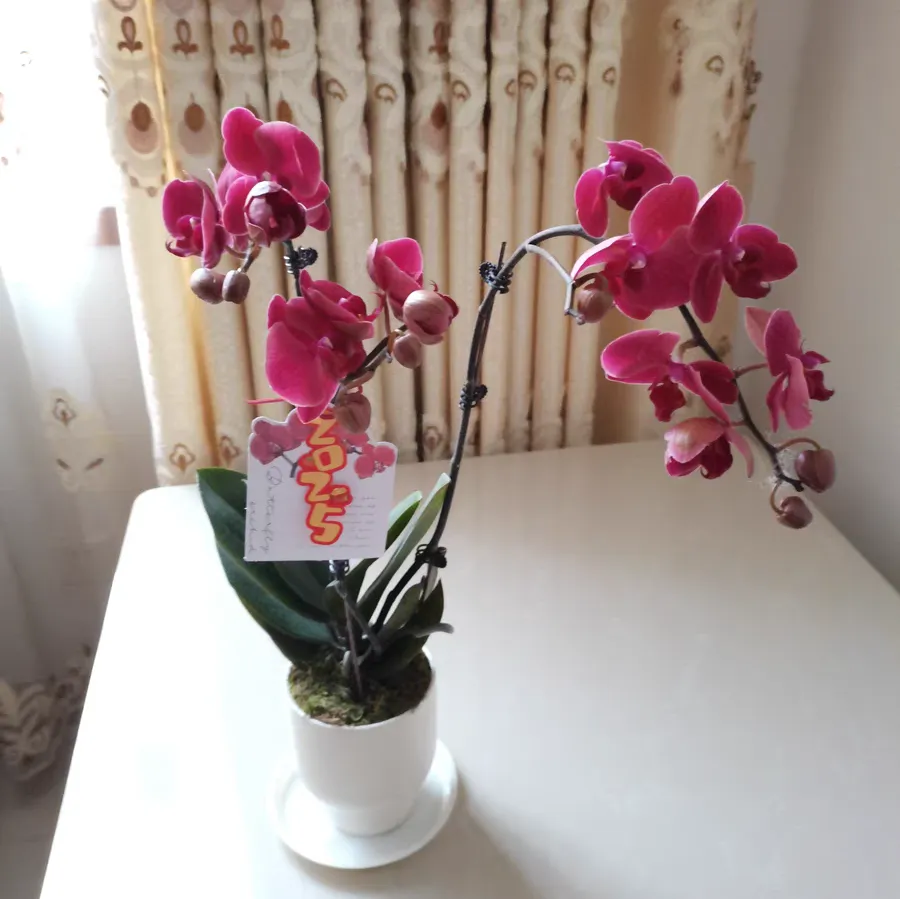
Precautions for the management of Phalaenopsis after seedlings emerge
For novice Phalaenopsis growers, the process from flask seedlings to blooming is always full of challenges. Today, I'd like to share the core management points
-

Key precautions after repotting a Phalaenopsis orchid and what it fears most
You finally finish repotting your Phalaenopsis orchid, only for its leaves to turn yellow and its roots to rot within a few days? Don't let all your hard work go to waste! Below, let's talk about the "major taboos" of aftercare following repotting. Beginners must avoid them! 1. Waterlogging Phalaenopsis orchid roots absolutely hate being smothered! After repotting, if the pot holds standing water, the roots will turn black and rot within a few days! Guide to avoiding pitfalls: 1. Choose one with large
-

How to care for Phalaenopsis during its dormant period? Keep these precautions in mind
Never throw away the Phalaenopsis (moth orchid) at home after its flowers fade. As long as you master the care methods for the dormant period, it will bloom again and fill its pot with flowers next year. Today I will show you step by step how to care for it scientifically, so the Phalaenopsis can rest well and build up strength for its next bloom. Light management: Phalaenopsis is a semi-shade plant, and during the dormant period it is especially afraid of direct strong light! Too strong sun
-

Does a Phalaenopsis orchid need pruning after division? Keep these precautions in mind
As a much-loved ornamental flower, the Phalaenopsis orchid can be propagated by division to turn one pot into many, carrying on its elegant beauty. But whether pruning is needed after division, and what follow-up precautions there are, is the focus of many flower lovers' attention. Mastering the correct handling methods can greatly improve the survival rate and growth quality of Phalaenopsis orchids after division.
-

Can You Repot and Change the Soil of a Phalaenopsis Orchid During Blooming? Detailed Notes and Precautions
When a Phalaenopsis orchid is in bloom, it is a highlight of indoor decor. So can you repot and change the soil of a Phalaenopsis orchid during its blooming period? If repotting is necessary, what precautions should be taken? Understanding this knowledge allows you to better care for the delicate Phalaenopsis orchid and avoid improper handling that could affect its growth and blooming performance. From the perspective of plant growth patterns, Phalaenopsis orchid blooming
-

Caring for Phalaenopsis Orchids After the Blooming Period: Methods and Precautions
Don't rush to throw away your Phalaenopsis orchid after the flowers fade! Master these few care tips, and not only will it quickly recover its vigor, it may even have a chance to bloom a second time. 1. Pruning. 1. Cut at a slant 3-4 nodes up from the base of the flower stem, keeping the nutrient transport channel of the flower spike intact; under the right conditions, new flower buds can emerge in 6-8 weeks. 2. Cut the flower stem straight off right at the base.
条件筛选