-
Causes of Soft Leaves in Phalaenopsis Orchids and How to Treat Them
Today I will show you how to effectively solve the problem of Phalaenopsis orchid leaves suddenly turning soft during care, so that your orchid regains its vitality and blooms with beautiful flowers. 1. Soft rot Soft rot is a common disease of Phalaenopsis orchids, and once it strikes it spreads quickly. Symptoms: small water-soaked spots first appear on the leaves, and within just a few days they will
-
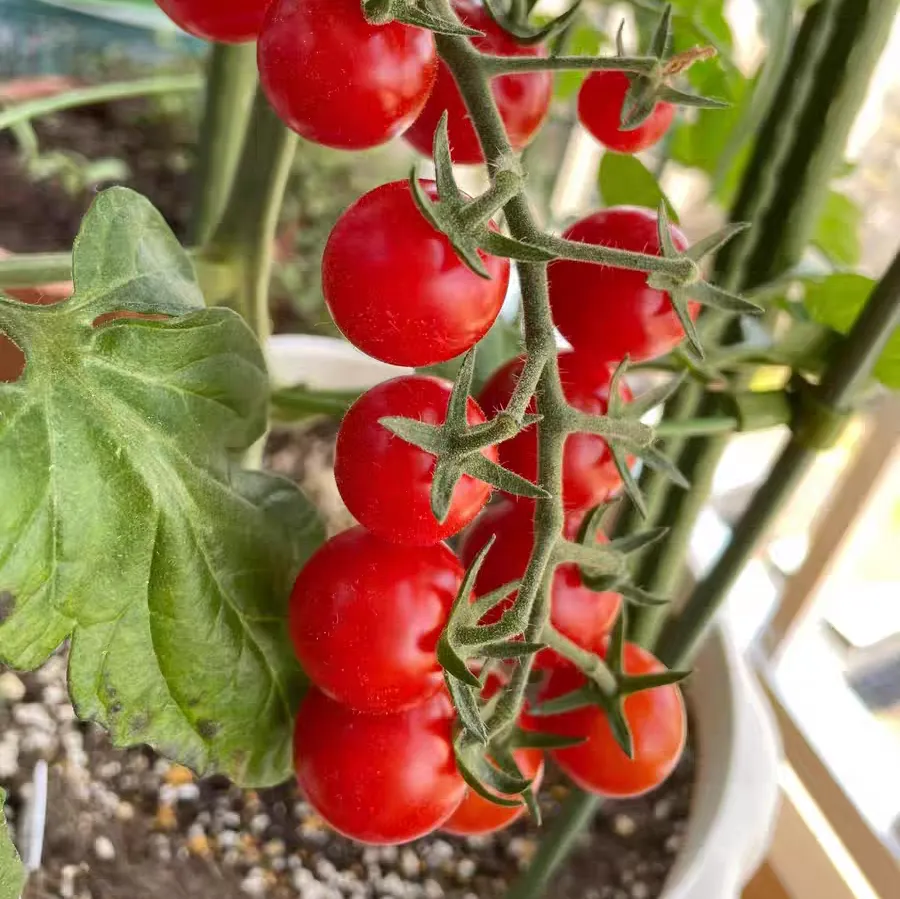
What causes the blackening of tomato stems?
Suddenly found the stem of your tomato plant turning black? Don't panic! This could be caused by diseases. Today, we'll guide you step-by-step on how to
-
Causes of Withered Strawberry Flower Buds and Simple Prevention Tips
You're full of hope that strawberries will hang heavy on the branches, only to find the flower buds withering one by one? Don't worry. Today we'll walk you through pinpointing the cause and saving them scientifically. 1. Causes Calcium deficiency: Strawberries are extremely sensitive to calcium! When calcium is lacking, the tips of the flower buds dry up, the growing points die, and it may come with "blossom-end rot" in the fruit. Especially during consecutive cloudy
-
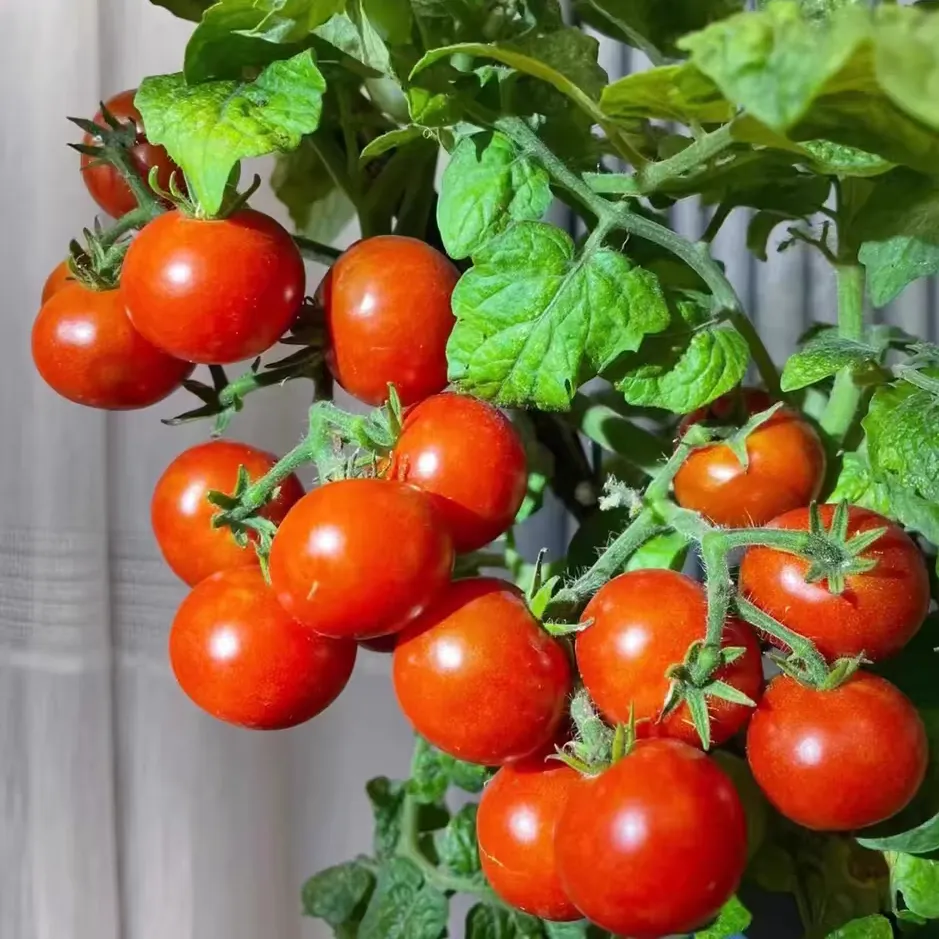
What are the causes of yellowing and wilting tomato leaves?
Have you ever encountered the situation where the leaves of your tomato plants turn yellow and wither? In fact, there are multiple reasons for this. Today, I
-
What are the causes of tomato leaf curl and how can it be prevented and treated?
Recently many vegetable gardeners have been asking: the tomato leaves suddenly curled up, what on earth went wrong? Don't worry! Today we'll talk about the causes and solutions, so even beginners can handle it easily! 1. Environmental factors 1. Temperature When the temperature soars above 35°C, combined with air humidity below 50%, the tomato plant reduces water loss
-

Causes of Water-Soaked Rot on Phalaenopsis Leaves and How to Fix It
During the care of Phalaenopsis (moth orchid), water-soaked rot on the leaves is a common sudden occurrence in home cultivation, and this phenomenon tends to peak in summer and autumn. When translucent water-soaked patches appear at the base or middle of a leaf and rapidly spread into brown rotting areas within 24-48 hours, systematic treatment measures must be taken immediately.
-

Causes of Foul Odor from Phalaenopsis Leaves and How to Deal With Them
As a widely popular ornamental flower, the Phalaenopsis (moth orchid) is often a delight to the eye with its elegant bearing and brilliant colors. However, during care, we sometimes find that its leaves give off an unpleasant foul odor, which not only affects the viewing experience but may also signal a health problem in the plant. So, wh
-

Causes of and Solutions for Hollow and Rotten Roots in Phalaenopsis After Changing Sphagnum Moss
With its unique aerial root structure and dependence on sphagnum moss as a substrate, the Phalaenopsis has become a plant that many gardening enthusiasts both love and "fear." When we change the sphagnum moss for a Phalaenopsis, we may find that hollow roots and rotten roots appear. This not only affects the plant's growth but, in severe cases, can lead to the death of the entire plant. Hollow roots in Phalaenopsis after changing sphagnum moss
-

Causes of and Solutions for Hollow Roots in Phalaenopsis (Moth Orchids)
The worst thing when growing Phalaenopsis is discovering hollow roots! A perfectly healthy orchid, and when you pull it open to take a look, the roots are all hollow - what a heartbreak. In fact, hollow roots are always the result of care details that were not done properly. Below is a summary of several common causes. 1. Watering - watering is absolutely the "number one killer" behind hollow roots in Phalaenopsis! Water too frequently, and the medium stays constantly soggy,
-
What causes the stem rot of Phalaenopsis orchids?
The stem rot of Phalaenopsis orchids is a common and fatal disease, which is mostly caused by excessive watering and poor ventilation. If not rescued in time,
条件筛选