-
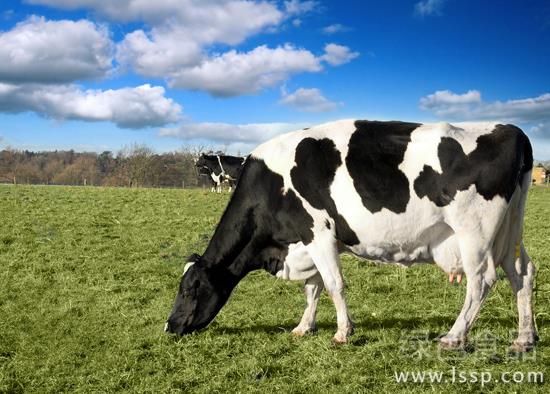
How to do a good job in daily dairy cattle management? Three measures to ensure the healthy growth of dairy cattle
How to ensure the healthy growth of dairy cattle: three measures for daily dairy cattle management
-

Detailed Explanation of Intradermal Injection Technique in Cattle
Inject the medicinal solution between the epidermis and the dermis; this is mostly used for allergy tests, with the injection site chosen on the side of the neck or at the base of the tail. During injection, pinch up the skin with the left hand, hold the syringe with the right hand, and insert the needle into the skin at a 30-degree angle to the skin, then slowly inject the medicinal solution; a small papule-like swelling at the injection site indicates correct injection. After withdrawing the needle, do not disinfect or apply pressure again. Feeling relatively more resistance during injection indicates correct injection. If injection feels very easy, it indicates that the solution has been injected subcutaneously, and the needle should be reinserted.
-
Grass Species for Cattle, Sheep, Pigs, Rabbits and Geese and Their Cultivation Techniques
1. Growing grass to feed cattle: Mexican corn, alfalfa (Medicago sativa), tall fescue (Festuca arundinacea), napier grass (Pennisetum), Sudan grass (Sorghum sudanense) and others may be chosen; succulent leafy forage grasses with a high crude fiber content should not be planted. Mexican corn is suitable for planting in areas with annual rainfall of more than 800 mm and a frost-free period of more than 180 days. When the plant height reaches 1.5 m, it can be cut once a month. The dry matter of the forage contains 9.5% crude protein, 2.6% crude fat and 27.3% crude fiber. The stems and leaves are tender, crisp and juicy, sweet in taste and highly palatable, and are also suitable for silage or for curing into hay.
-
Prevention and Treatment Methods for Common Cattle Diseases After Floods
Summer is hot and rainy, with frequent floods and waterlogging, making it a high-incidence season for cattle diseases. Therefore, it is essential to pay attention to the prevention and treatment of diseases to which cattle are susceptible during this period. Anthrax: This is an acute infectious disease shared by humans and animals, and cattle are most susceptible. It occurs frequently during the rainy season and after floods, when blood-sucking insects are active. The disease is characterized by the sudden onset of high fever, coma, purplish eye conjunctiva, whole-body trembling, teeth grinding, spasms, and bleeding from natural orifices in affected cattle. Dead cattle show incomplete rigor mortis, uncoagulated blood that is coal-tar colored, bleeding in subcutaneous and subserosal tissues appearing as red gelatinous material, and an
-
Causes and Prevention and Treatment Methods of Sudden Death Syndrome in Cattle
Sudden death syndrome in cattle is a new disease that has occurred commonly throughout China in recent years and has attracted much attention. It is characterized by sudden onset, unnoticeable symptoms, and rapid death; cattle often die before treatment can be given. It causes relatively great harm to the cattle industry. (I) Causes Regarding the cause of this disease, there have been many research reports in recent years, with opinions varying widely and no definitive conclusion yet; they can be summarized as follows: 1. Cattle accidentally eat forage or feed contaminated with fluoroacetamide. 2. Cattle are infected with Clostridium welchii type A, causing this disease, or this bacterium is mixed with Bacillus [text unclear],
-
How to treat cattle emaciation disease? A detailed explanation of traditional Chinese medicine syndrome differentiation and treatment methods
In traditional Chinese veterinary medicine, cattle emaciation disease falls within the scope of consumptive disease. It is prone to occur in cattle raised by scattered household farmers in the agricultural areas of eastern Qinghai Province, and due to delayed or improper treatment, it often leads to death. This brings serious economic losses to farmers. Based on clinical experience, the author has summarized the following treatment methods for reference. 1 Etiology The causes of cattle emaciation disease mainly include the following factors: 1.1 Due to a single feed type and insufficient energy, appetite and drinking gradually decline, causing the body's own
-
Before feeding urea to cattle, first check the type of forage
When feeding urea to cattle, urea can be digested by microorganisms in the bovine rumen and synthesized into bacterial protein, replacing part of the protein feed, so urea is a high-quality protein supplement feed for cattle. But urea is not protein after all, and its utilization efficiency is affected by many conditions. Generally speaking, feeding urea to cattle should be determined according to the forage situation. In winter and spring, when the diet is mainly based on roughage such as wheat straw, dry corn stalks, and hay, urea can be added, while in summer and autumn, when the diet is mainly based on green forage, it should not be fed. Trials have shown that when the crude protein content in the feed is below 11%
-
Prevent Allergic Reactions When Using Streptomycin in Pigs and Cattle
Some pigs and cattle develop allergic reactions after being given streptomycin. If rescue treatment is not timely or not appropriate, it can cause death, just like penicillin allergy. Therefore, streptomycin use in pigs and cattle must not be taken lightly; after administration, observe the animals carefully and be prepared for emergency treatment. Streptomycin allergy in pigs and cattle mostly occurs acutely. With the first dose, the allergic reaction develops somewhat slowly, with symptoms appearing in about 10-15 minutes; with the second dose, the allergic reaction develops more quickly, with symptoms appearing in about 5 minutes. The main symptoms are: pigs and cattle tremble all over
-
Prevention and Treatment Methods and Key Technical Points for Winter Dysentery in Cattle
1. Prevention. The transmission route of this disease is infection through the digestive tract; therefore, cattle kept indoors in winter should have their feeding management and environmental disinfection strengthened, diseased animals should be isolated and treated promptly, the equipment and secretions of diseased animals should be thoroughly disinfected, manure must be strictly prevented from contaminating feed and drinking water, and manure management and harmless treatment should be strengthened. 2. Treatment. This disease is mainly treated with symptomatic therapy. An equal-amount mixture of turpentine oil and creolin can be administered orally, 25-50 milliliters each time, 2 times per day. For severe cases, fluid replacement should be given promptly, such as glucose saline
-
Luxi cattle
(1) Origin and distribution: Luxi cattle is one of the four major breeds of Central Plains yellow cattle in China. It is mainly produced in the Heze and Jining regions in southwestern Shandong Province, namely the triangular zone bounded by the Yellow River to the north, the old course of the Yellow River to the south, and both banks of the Grand Canal to the east. Among these, the central production areas are the counties of Echeng, Nacheng, Heze, Juye and Liangshan in the Heze region, and Jiaxiang, Jinxiang, Jining and Weishang in the Jining region. It is distributed in southern Liaocheng region and southwestern Tai'an region, but the quality there is slightly poorer. At present, there are about 400,000 Luxi cattle in the production areas.
条件筛选