-

Feeding and Management Methods for Keeping Caged Rabbits Safe Through the Summer
Heat dissipation and temperature control: Plant some vine-type plants such as melons, beans, grapes, and pumpkins around the rabbit hutch to prevent direct sunlight, and you can also apply a layer of lime slurry to the inner and outer walls of the rabbit hutch so that direct sunlight does not reach the rabbit cages; open-air rabbit hutches should have a shade canopy set up, with doors and windows opened to allow air convection; for wool rabbits, the wool should be cut short along with the hair on the head and face, and the rabbit cages should not be too crowded; when the room temperature exceeds 30°C, sprinkle some cool water every 2-3 hours, or use a new brick, soak it in cool water for several minutes, and once it has absorbed enough water (no longer bubbling), place it in the rabbit cage,
-
Cage fish disease prevention and control relies on these four services
Recently, it has been a season of high incidence of cage fish diseases. The fishery authorities of Ningbo City, Zhejiang Province, have carried out four services to comprehensively implement disease prevention and control work. 1. Science and technology outreach service. Disease monitoring reporters in each area regularly visit each monitoring point and surrounding cage aquaculture areas to learn about conditions. Municipal-level disease monitoring reporters are guaranteed to go to the grassroots to carry out services twice a week (1-2 days each time). 2. Rapid response service. If fishermen encounter sudden disease outbreaks, experts are organized to rush to the scene within 2 hours. Recently,
-
Cage Culture Technology for Silver Carp and Bighead Carp Fingerlings: Using Small and Medium-sized Reservoirs as Broodstock Bases
As the main drinking water source for Beijing, Miyun Reservoir plays a decisive role in the capital's economic development and social stability. In order to scientifically convert the nutrients and aquatic organisms in the water body of Miyun Reservoir, purify the water quality, and protect this basin of "water of life" for the capital, after the cancellation of cage fish farming, the Miyun County government increased the amount of fingerlings stocked, releasing 485,000 kg, nearly ten million individuals, of silver carp, bighead carp, bream, grass carp and other fingerlings into Miyun Reservoir each year, aiming to reduce the nutrient load of the water body through fishery production. However
-
Detailed Explanation of Large Yellow Croaker Fingerling Cage Culture Techniques
I. Cage Setup 1. Selection of Sea Area The water flow velocity in the sea area is generally within 1 m/s, and the flow direction is straight and stable; avoid setting up in sea areas with eddy currents. At low tide, the bottom of the cage should be at least 1.5 m above the seabed. Throughout the year, the surface water temperature in the sea area ranges from 7-30°C, salinity from 12-32, and transparency from 0.2-3.0 m. 2. Selection of Cage Specifications Currently, the cages used for cultivating large yellow croaker fingerlings are all floating cages, that is, the cages are hung on a wooden frame with 10 frame positions of 5 m × 5 m.
-
Stocking fish fingerlings in cages in autumn has many benefits, and the timing of release matters
After autumn fertilization in the pond, fish fingerlings are generally in robust health and adapt easily to the cage environment. At the same time, overwintering in sunken cages in large water bodies not only consumes less body weight in the fingerlings than overwintering in ponds, but also, after overwintering ends and the cages are raised in spring, the fish begin feeding earlier, and their growth period is extended by about 1 month compared with fish stocked in spring, so the fish grow quickly and production increases noticeably. Compared with fingerlings stocked in spring, fingerlings overwintered in sunken cages grow about 30% faster and are about 35% larger in size when removed from the cages. Therefore, stocking fingerlings in cages in autumn for overwintering is a relatively scientific
-
Disease Outbreaks and Emergency Treatment After Introducing Inferior Quality Rice Field Eels into Eel Ponds or Net Cages
(1) Disease outbreak situation: After inferior quality rice field eels are introduced into eel cages or eel ponds, they generally develop disease within 2 to 7 days, and mass mortality occurs around 12 days. When disease breaks out, a method combining Chinese herbal medicine and chemical fishery drugs should be used for treatment to control the infection. (2) Emergency handling: ① Search for and remove floating-head eels, exposed-body eels, and dead eels 2 to 3 times during the daytime each day; ② Change the water once every morning and thoroughly inspect for and remove dead eels; ③ At night each day, use electric light for illumination and search for and remove diseased eels from aquatic plants 1 to 2 times.
-
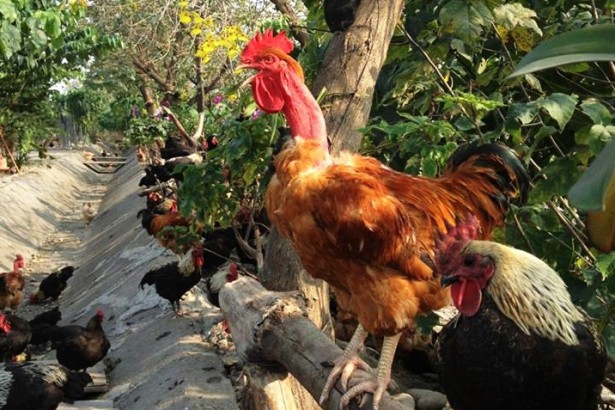
Chen Weijen, the free-range chicken farmer who walked out of a cage
Chen Weijen walked out of his cage to become a free-range chicken farmer
-
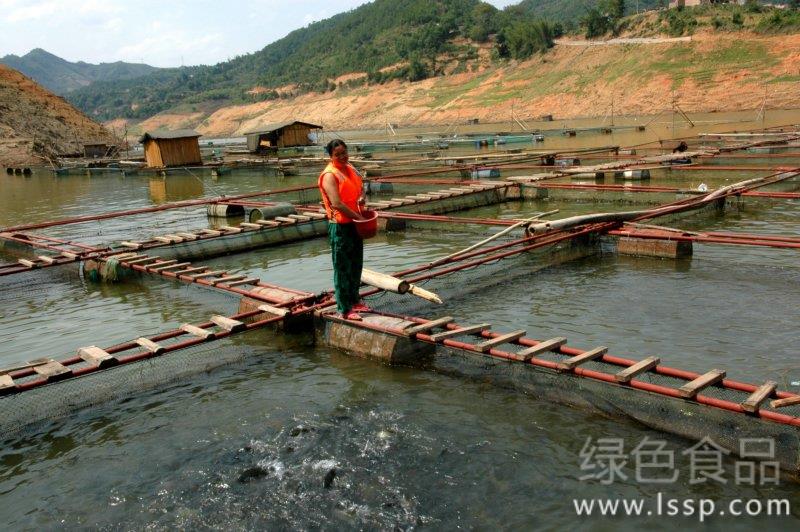
Technical requirements for achieving high yield and water saving in cage culture of common carp
High yield and water saving in cage fish farming: technical requirements for cage culture of common carp
-

What are the precautions for cage fish farming? Master these key points
Precautions for cage fish farming
-
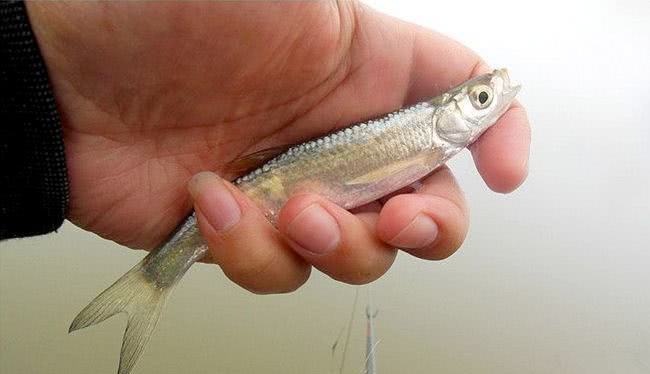
It is commonly known as the "millennium fish," sold in the market at 15 yuan per jin, impossible to fish out or eat out, yet it falls to the ground cage
In the small streams and rivers of the countryside, there are many wild foods, and many people go to these places in their spare time to catch wild foods and bring them home to eat. Among these wild foods, the most abundant are various wild fish, and big fish are generally harder to catch, while small fish...
条件筛选