-

Detailed Explanation of the Key Breeding Techniques for Rana chensinensis Farming
The breeding techniques for Rana chensinensis are a major part of production, and the level of breeding technique directly affects the profitability of artificially farming Rana chensinensis. The breeding techniques for enclosed-gully frog farming mainly include seed selection, egg laying, hatching and rearing. Seed eggs and seed frogs Currently, frog farming production mainly
-
Experience and Rearing Methods for Green-Shelled Laying Hens
Green-shelled eggs have always been in good demand on the market. How do you raise green-shelled laying hens well? 1. Construction of the chicken coop. Artificially raised green-shelled laying hens can be kept intensively, with 17-20 birds per sq m of coop. But pay attention to coop ventilation and keeping the floor dry; a cement floor is best, as it makes it easier to clean manure and carry out epidemic prevention and disinfection.
-
Prevention and Treatment of Prolapse of the Cloaca in Laying Hens
Prolapse of the cloaca in laying hens is caused by insufficient exercise during the rearing period, excessive body fat, hens starting to lay too early or too late, excessive protein supply in the diet, deficiency of vitamin A and vitamin E in the diet, improper lighting or insufficient vitamin D supply, as well as some pathological factors.
-
Tips for Raising Green-Shell Laying Hens to Increase Egg Production
1. Use scientific lighting. During the first month of laying, change the daily cycle to 28 hours, alternating 12 hours of light and 16 hours of darkness; average egg weight can increase by 10%, and the eggshells are firm, with very few small eggs. 2. Clip the combs of chicks at the right time. After chicks hatch
-
What are the precautions for raising laying hens in winter?
1. Adjust the flock in time. Around 200 days of age, observe the flock and cull hens with shrunken combs, contracted pubic bones, tightly closed feathers, dry skin on the legs, thin breast muscles, and a drooping abdomen with a penguin-like posture. This can save feed while increasing the laying rate, prevent the spread of other diseases, and reduce
-
Green-shell laying hen feeding methods and answers to common feed questions
Feeding time and frequency for green-shell laying hens: The daily feeding frequency for green-shell laying hens is 6 times in the 1st week, 5 times in the 2nd week, and 4 times per day from the 3rd week onward. When the lights are turned on in the morning, give the green-shell laying hens their 1st feed. After the green-shell laying hens finish each portion of feed, wait 30 minutes before adding the next portion. In the evening
-
Key Technical Points for Feeding and Management of Laying Hens During the Laying Period
The first laying cycle of egg-type chicken breeds is about 1 year, and the whole process can be divided into three stages: early laying period, peak period and late laying period. The coordinate curve plotted based on the average weekly laying rate during the laying period (the vertical axis indicates the laying rate, and the horizontal axis indicates age in weeks) is called
-
How to Raise Black-Feathered Green-Shelled Laying Hens? A Detailed Guide to Breeding Techniques
The difference between black-feathered green-shelled laying hens and ordinary green-shelled laying hens is that the feathers of black-feathered green-shelled laying hens are black, and they are mainly concentrated in Yichang, Hubei. Because of their different feathers, they are quite attractive to consumers during the sales process. Today, let us briefly
-
Moorhen Farming Techniques and Breeding Methods: What Do Moorhens Eat
Summary Site: water is needed, and some nests should be built artificially. Introduction of breeding stock: after buying the chicks and bringing them home, first put them in a brooding box for a period of time before releasing them for free-range raising. Feeding: choose small fish and shrimp to feed them, and you can also feed some green vegetables or insects, with regular feeding three times a day. Diseases: pay more attention to observation in daily care, and once moorhens show symptoms of disease, they must be treated promptly.
-
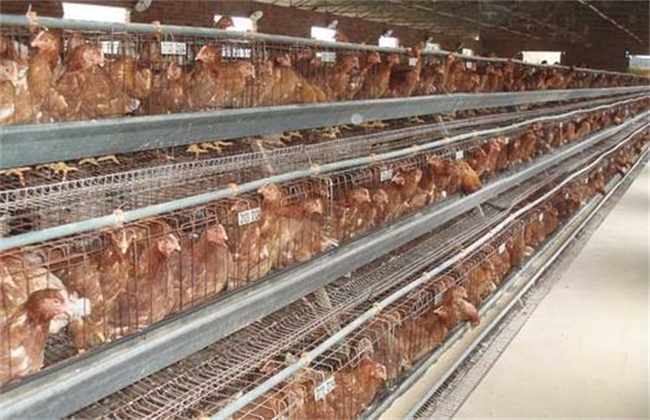
What are the breeding methods and precautions for pink-shell laying hens?
Breeding methods and precautions for pink-shell laying hens
条件筛选