-

Detailed Explanation of Key Technical Points for Semi-Wild Soft-Shelled Turtle Farming
Semi-wild soft-shelled turtle farming is a healthy farming method that imitates the natural growth habits of soft-shelled turtles. The farming cycle (3 to 4 years) is relatively long, so the soft-shelled turtles produced have the excellent quality of wild characteristics and sell very well on the market. The average yield is generally 250 to 300 kg per mu, with an average annual income of about 6,000 yuan per mu, achieving relatively good economic, social and ecological benefits.
-
Induced biochemical responses in tea plant leaves after infection by the tea blister blight pathogen
The activities of enzymes such as phenylalanine ammonia-lyase, polyphenol oxidase and peroxidase, as well as the levels of proteins, proline and phenolic compounds in the leaves, were studied after tea plant leaves were infected by the tea blister blight pathogen. The study showed that in diseased leaves the activity of phenylalanine ammonia-lyase decreased, while the activities of peroxidase and polyphenol oxidase increased. Analysis of peroxidase isoenzymes by polyacrylamide gel electrophoresis using benzidine as substrate showed that healthy tea plant leaves had 4 isoenzymes, whereas
-
Study on Immunization Methods against Swine Trichinellosis and Biochemical Characteristics of Trichinella Antigens
1. Biochemical characteristics of Trichinella antigens: For the first time, advanced techniques including sodium dodecyl sulfate-polyacrylamide gel electrophoresis (SDS-PAGE), isoelectric focusing (IEF), two-dimensional electrophoresis and enzyme-linked immunoelectrotransfer blot (EITB) were applied to analyze 4 types of Trichinella antigens. The analysis showed that the soluble antigen of muscle larvae contains at least glycoproteins, lipoproteins, glycolipoproteins, simple proteins, polysaccharides and esterase isozymes. Two-dimensional electrophoresis revealed 122 polypeptide spots, most of which were acidic polypeptides with molecular weights below 67 KD.
-
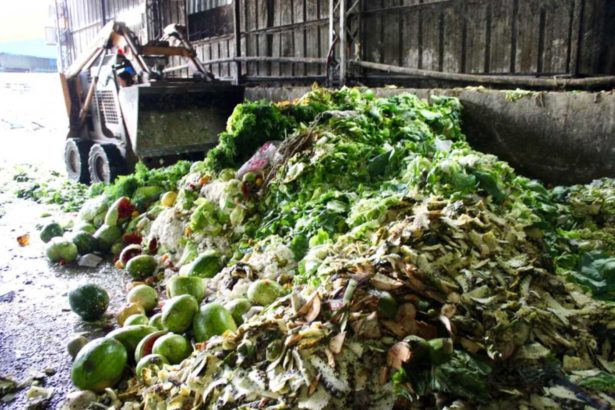
Biochemical method can only test 18% of pesticides, food safety hard to guarantee; civic groups: develop new technology, manage from the source
Biochemical method can only test 18% of pesticides, food safety hard to guarantee; civic groups: develop new technology, manage from the source
-
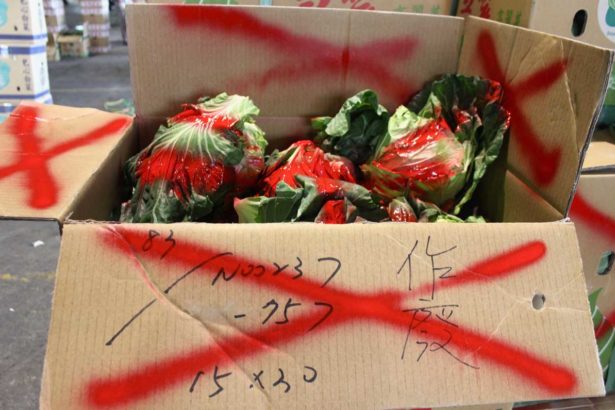
Biochemical rapid pesticide screening is cheap and fast, but 80% of pesticides cannot be detected; how can food safety be guaranteed?
The biochemical rapid pesticide screening method is fast and cheap, but 80% of pesticides cannot be detected; how can food safety be guaranteed?
-
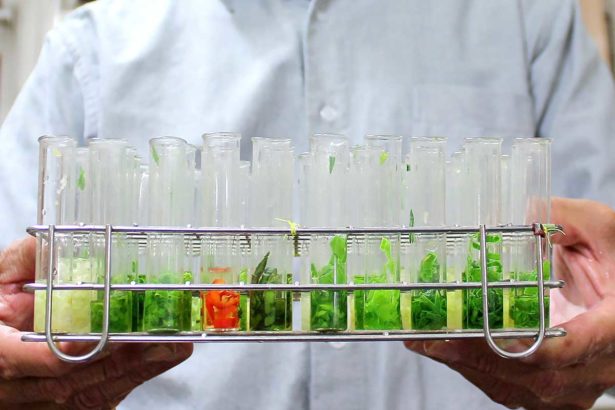
Biochemical pesticide rapid screening technology from the Agricultural Research Institute suspected of early outflow to China amid contract breach
[Exclusive] NT$10 million technology transfer by the Agricultural Research Institute involves contract breach; "biochemical method" pesticide rapid screening technology reportedly leaked to China early
-
Pesticide rapid screening biochemical methods are fast, but 80% of pesticides cannot be detected; how can food safety be guaranteed?
Pesticide rapid screening biochemical methods are fast, but 80% of pesticides cannot be detected; how can food safety be guaranteed?
-
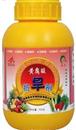
Correct methods for using sodium biochemical fulvate
How is sodium biochemical fulvate used? Please provide an introduction to its usage methods. Biochemical fulvic acid is divided into: fulvic acid drought-resistant agent, fulvic acid foliar fertilizer, fulvic acid pesticide synergist, compound fertilizer, organic fertilizer, continuous cropping fertilizer additive, veterinary medicine, feed additive, aquaculture water-fertilizing and water-purifying agent, and other products. For detailed usage methods, refer to...
-
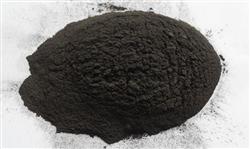
What are the functions and benefits of biochemical fulvic acid?
What are the functions of biochemical fulvic acid? Please introduce biochemical fulvic acid. You can refer to the following introduction: 1. Drought resistance and water saving, stress resistance and disaster reduction. The effective period of fulvic acid in inhibiting plant transpiration can last more than 28 days. Within 24 hours after spraying, it can make the plant stomata close appropriately, and after 5 days it can reduce the transpiration intensity of plants...
条件筛选