-

-
Can You Get Rich Keeping Bees? Wang Qi's Beekeeping Journey to Prosperity
Wang Qi: Beekeeping Leads to the Road to Prosperity
-
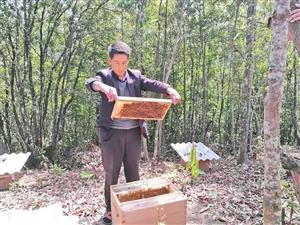
Little bees create a new world of prosperity, and the path to higher income through beekeeping grows ever wider
Little bees create a new world of prosperity
-
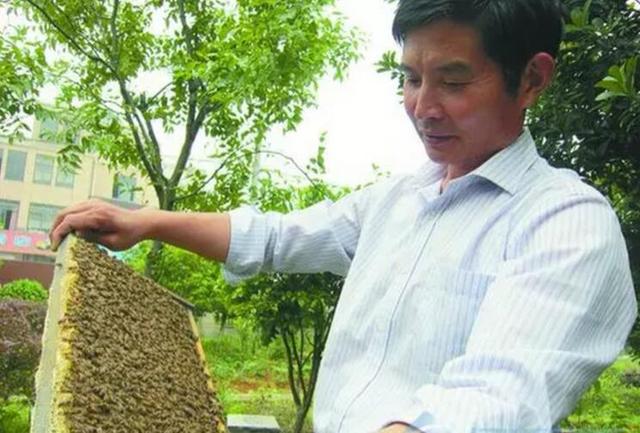
Beekeeping builds a sweet business, blazing a new trail to higher income
Building a sweet business, blazing a new trail to prosperity
-
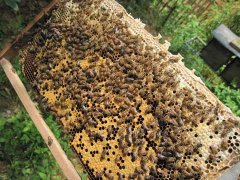
Introduction to Bee Keeping Techniques and Common Types of Pests
Bee keeping also requires attention to the harm caused by pests. Bee pests include bee species, bee lice flies, and wax moths that damage the wax of brood combs. Bee enemies include toads, spiders, and hornets. Let's take a look below. Toads: Toads mostly appear in summer
-
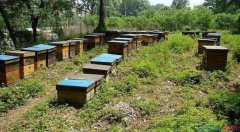
Introduction to Model Beekeeping with the Chinese Honeybee: Beekeeping Techniques Teach You How to Keep Bees
What is model beekeeping like? How good is this beekeeping method? How exactly is model beekeeping done? Let's take a look together. Model beekeeping is currently the most advanced beekeeping technique in China. Model beekeeping saves manpower and material resources, builds strong colonies that do not swarm, and the bees have a particularly strong resistance to wax moths. When the queen's egg-laying ability declines, natural supersedure occurs on its own without human intervention; usually two queens lay eggs in the same hive, rapidly strengthening the colony, greatly increasing honey production, several times or even more than ten times higher than conventional rearing methods.
-
Detailed Introduction to Common Beekeeping Tools and Their Uses
1. Foundation Foundation is the base installed inside the frame for bees to build comb; it is a man-made sheet of beeswax pressed by a foundation mill, with a base plate having cells and cell walls. There is Italian bee foundation for keeping European honey bees; drone foundation for producing drone pupae; and Chinese bee foundation for keeping Chinese bees. Combs built with foundation are neat, flat, and sturdy, with few drone cells. 2. Veil The veil is a tool used when managing colonies to protect the operator's head and neck from bee stings. 3. Hive tool A special tool for beekeeping. One end is a curved blade, the other end
-
Why should high-quality queen bees be used in beekeeping?
In using high-quality queen bees, three main aspects should be considered: selecting Chinese bee (Apis cerana) breeds with excellent breed characteristics and production performance, using new queen bees, and preventing the degeneration of the Chinese bee breed used. Using queen bees with excellent traits is the guarantee for strong colony rearing of Chinese bees. In Chinese bee rearing, breeds should be selected that have characteristics such as strong egg-laying ability of the queen, strong colony strength, weak swarming tendency, high yield, and strong disease resistance (especially resistance to Chinese sacbrood disease). Excellent queen bees can be obtained through bee breeding production departments, but it must be noted that introduced queen bees should be able to
-
How to disinfect beekeeping tools? Introduction to disinfection methods for beekeeping tools
Bee pests and diseases cause great harm to beekeeping production. While controlling them, beehives, combs and the beekeeping tools used must be thoroughly disinfected. Commonly used disinfectants include: 1. Formalin: 1 part formalin, add 9 parts water to make a 4% aqueous solution, soak empty combs and small beekeeping tools in it for 24 hours, shake off the liquid, rinse with clean water and dry. . Put the combs into supers, 8 combs per box. Remove the wire mesh from 1 empty hive body with a screen window, stack 5 supers of combs on top, cover with a wooden inner cover, and seal all gaps tightly. Use a carbon or glass container to place
-
How to prevent bee diseases in spring beekeeping? A detailed explanation of comprehensive measures
In beekeeping practice, it has been found that the occurrence of bee diseases is directly related to feeding and management techniques. Especially in northern China, where the temperature difference between early and late spring is large and nectar and pollen sources are scarce, bee colonies are most prone to bee diseases. Once a disease breaks out, it will inevitably cause losses and affect colony multiplication and economic returns. Therefore, in spring, the measure of "prevention first, treatment supplementary" should be used to control the occurrence of bee diseases. The specific measures are as follows: 1. Selection and treatment of the bee site. The most basic conditions for beekeepers when choosing a site should be shelter from the wind, facing the sun, and dry terrain. In spring, choose
条件筛选