-

Policy Support for the Healthy Development of the Beekeeping Industry, Ministry of Agriculture Issues Opinions
In order to further transform the development mode of China's beekeeping industry, focus on strengthening the industrial function of bee pollination, consolidate the foundation for industrial development, ensure the quality and safety of bee products, and promote the healthy development of China's beekeeping industry, not long ago, the Ministry of Agriculture issued the "Opinions on Accelerating the Promotion of Bee Pollination Technology
-
How does the beekeeping industry help farmers increase their income?
Editor's note: The beekeeping industry occupies a relatively important position in our national economy. It not only provides society with abundant bee products, but can also help farmers increase their income and become prosperous. At present, China raises about 6.5 million bee colonies, with an annual output of nearly 200,000 tons of honey, 1,500 tons of royal jelly, and 1,100 tons of pollen, all ranking first in the world's beekeeping industry. Honey and royal jelly are China's traditional export commodities. Annual honey exports exceed 100,000 tons, and royal jelly exceeds 900 tons, with export volumes ranking first in the world. Bee product exports earn more than 80 million US dollars in foreign exchange.
-
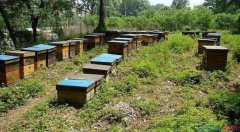
Introduction to Model Beekeeping with the Chinese Honeybee: Beekeeping Techniques Teach You How to Keep Bees
What is model beekeeping like? How good is this beekeeping method? How exactly is model beekeeping done? Let's take a look together. Model beekeeping is currently the most advanced beekeeping technique in China. Model beekeeping saves manpower and material resources, builds strong colonies that do not swarm, and the bees have a particularly strong resistance to wax moths. When the queen's egg-laying ability declines, natural supersedure occurs on its own without human intervention; usually two queens lay eggs in the same hive, rapidly strengthening the colony, greatly increasing honey production, several times or even more than ten times higher than conventional rearing methods.
-
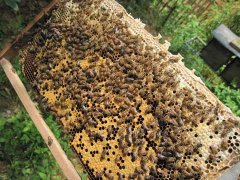
Introduction to Bee Keeping Techniques and Common Types of Pests
Bee keeping also requires attention to the harm caused by pests. Bee pests include bee species, bee lice flies, and wax moths that damage the wax of brood combs. Bee enemies include toads, spiders, and hornets. Let's take a look below. Toads: Toads mostly appear in summer
-
Key Technical Points and Daily Management Methods for Beekeeping
Abstract Breeding environment: A small hill or mountain area with trees should be chosen; the beehive should not have cracks or holes, and the beehive should be about 50cm above the ground. Choosing bee species: The adaptability of bee species varies from place to place, so it is recommended to keep your own stock, which can ensure the purity of the bee species. Feed
-
A Detailed Guide to Beekeeping Techniques, Sharing Practical Beekeeping Methods
Summary Selecting a bee colony: understand the local natural environment in advance, and choose a bee species suitable for local beekeeping. Choosing a beehive: choose a beehive made of solid material and light in texture; beginners can choose a movable-frame beehive. Transferring the bee colony: place the bee colony that was purchased or captured from the wild into
-
A Detailed Guide to Beekeeping Techniques: Methods for Strengthening Bee Colony Management
Abstract Beekeeping site: high terrain with an adequate supply of clean water, and it must be far from urban areas and factories. Choice of bee species: it is best to choose local bee species, and mixed rearing should be avoided so as not to make the honey impure; the number of combs must be controlled. Beekeeping tools: including movable-frame beehives, bee hats
-
How do beginner beekeepers master rapid bee reproduction techniques?
In today's life, people are paying more and more attention to health preservation, so honey is increasingly loved by everyone. People all enjoy drinking honey and treat it as a delicacy, because it not only beautifies and nourishes the skin but also helps with weight loss and boosts immunity. More and more people love it, not
-
Scientific Beekeeping Techniques for the Chinese Honeybee and Selection of Superior Breeds
We all know that the Chinese honeybee, commonly known as the native bee, lives in tree hollows, under cliffs, in rock crevices and earthen cavities. The harsh living conditions have forged the Chinese honeybee's tenacious and unyielding character. When faced with danger, the Chinese honeybee can promptly evade enemies and it flies very fast. Because
-
Detailed Explanation of Key Points of Scientific Beekeeping Techniques to Help You Keep Your Colonies Well
Nowadays, whatever we do, we want to pay attention to science. Science today is more and more advanced, and only by believing in science can you keep up with the pace of modern times. Beekeeping has been practiced since very early times. In the past, beekeeping used only traditional methods, and honey yields were not very high. With today's scientific beekeeping, honey yields have become high
条件筛选