-
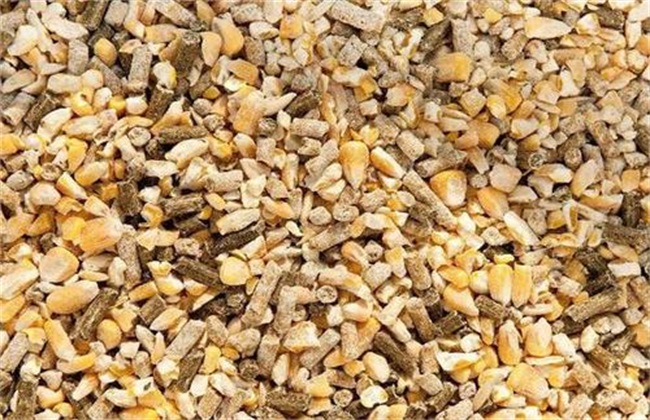
What are the common mistakes in making your own sheep feed? Farmers should avoid them
Common mistakes in making your own sheep feed
-
-
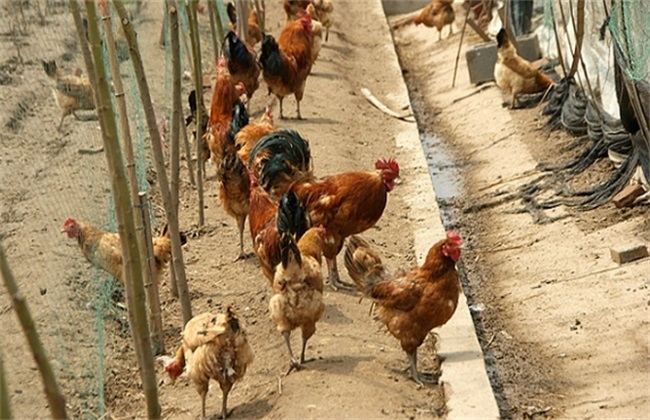
Common mistakes in medication practices for raising chickens, and chicken farmers should avoid them
Common mistakes in medication practices for raising chickens
-
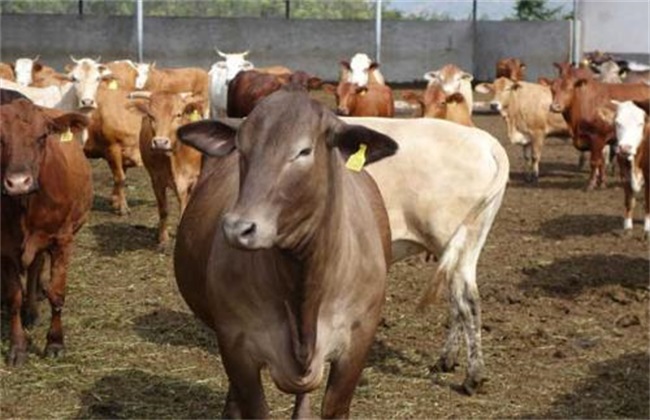
What are the biggest taboos in cattle farming? These taboo matters cattle farmers should avoid
What are the biggest taboos in cattle farming
-
Crayfish Spring Rural Farming Precautions and Methods to Avoid Losses
After the beginning of spring next year, the parent crayfish that have lived in burrows for a winter will emerge in large numbers to forage in the pond. As the pond water temperature gradually rises and the parent crayfish feed...
-

How can fish injuries be avoided when catching fish in cold seasons?
Influenced by China's traditional farming model, the cold season is the main period for catching fish, either harvesting adult fish for market at this time, or catching fingerlings for stocking. Whether the catching method is correct has a certain impact on the next stage of farming, and improper catching can easily cause fish diseases. To ensure the smooth progress of the next stage of farming, the following issues should be noted when catching fish: Before catching, pay attention to removing debris. Before catching, be sure to remove debris around the pond and in the pond, such as branches, weeds, etc., to ensure the
-
Cutting leaves to feed silkworms has its finer points; seeking advantages and avoiding harm is key
The young silkworm stage (instars 1-3) is a critical period in silkworm rearing. Only careful feeding and scientific management can lay a good foundation for disease-free, high-yield production in the later stages. In rural silkworm rearing, some silkworm farmers, fearing trouble and wanting to save effort, still mostly use whole leaves to feed silkworms during the young silkworm stage, resulting in uneven development of the young silkworms and serious waste of mulberry leaves. (1) Avoiding loss of silkworms: During the young silkworm stage, especially for 1st-instar silkworms, when whole leaves are used, the leftover mulberry leaves that the silkworms have not finished eating often shrivel and curl into tube shapes, wrapping some silkworms inside them, while young silkworms move
-
Common misconceptions about dog ownership, and the mistakes owners should avoid
In recent years, companion animals have brought joy to more and more families. But did you know? Some of our taken-for-granted dog-keeping habits not only harm the dogs but may also bring some conflicts to society. Only by combining a strong sense of responsibility with scientific care can companion animals thrive. Below are some misconceptions and the correct approaches. 1. Taking the dog out without a leash, letting it run and play freely - it is free, and I have less trouble. Correct approach: if a dog suddenly runs out, even people who like animals cannot help but be startled, let alone those who know nothing about canine behavior. Getting lost, poisoning, fights, car accidents... a small leash can prevent many tragedies. Once danger occurs, with a gentle pull it is under your protection, and those who like dogs but are somewhat afraid are also more willing to get close to it.
-
Hollow bricks for pig beds: pigs avoid rheumatism and grow fatter and stronger
At present, pig production in China is mainly small-scale or free-range, and pig-raising conditions are relatively poor. In northern China, temperatures from December to February of the following year are very low, only a few pig houses have heating, and the vast majority have low indoor temperatures, with pigs lying directly on concrete floors that are both damp and cold, causing a high incidence of rheumatism in pigs (such as lameness and paralysis), which affects weight gain speed and feed conversion rate. In particular, paralysis in farrowing sows leads to culling, causing great losses. In recent years, the author has used the method of laying hollow bricks as pig beds to prevent rheumatism in pigs, with excellent results. By September
-
Three things to avoid when feeding vegetables to rabbits; rabbit keepers need to know this in advance
First, avoid using vegetables that have been piled up and turned yellow. Feeding rabbits with vegetables that have been piled up and turned yellow will cause nitrite poisoning in rabbits, and in severe cases can lead to death. Therefore, when feeding rabbits with vegetables, always make sure they are fresh, and do not feed too much at a time; it is best to feed them together with other feed. Second, avoid cruciferous vegetables. Cruciferous vegetables contain sinigrin, which can produce some toxins that promote thyroid enlargement and severely damage the rabbit's liver and kidneys. Third, avoid vegetables damaged by pests. Feeding rabbits with vegetables infested by aphids, cabbage caterpillars, and the like
条件筛选