-
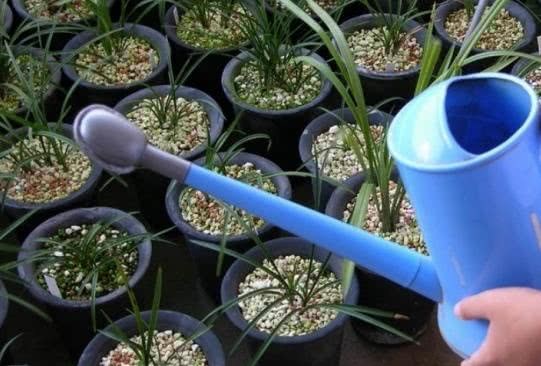
Orchids are easy to grow but hard to water: a 10-year veteran orchid grower teaches you to master the 5 watering stages
There are many discussions about watering orchids, and the methods of many famous orchid growers differ. "Orchids are easy to grow but hard to water" is a widely circulated old saying. Many orchid enthusiasts believe that as long as you master watering techniques, you have got the basics of growing orchids. ...
-

15 internationally renowned aquascaping masters pour their hearts into one work, collect it in one go
Readers familiar with exhibition events surely know about the Aquarama aquatic plant aquascaping event "Experience the Amazon - Giant Aquascaping Show." If you don't, no worries, the recap link is here. Eight-meter tank aquascaping. This aquascaping event will join forces with 15 dedicated...
-

Orchid new shoots rot easily when watered; master these points and you can spray and water boldly
For orchid growers, the thing they care about most in the first half of the year is the growth of new shoots. Watching their own new shoots grow green every day puts them in a particularly good mood, but if the new shoots rot by accident, that kind of heartache is probably something only fellow orchid lovers can understand. New...
-
Literati Tree Creation: Selected Works of Bonsai Master Zhao Qingquan
Name: Chuchen (Beyond the Dust) Species: Japanese Black Pine Height: 106 cm Age: 25 years Artist: Zhao Qingquan. The creation of "Chuchen" began in early 2004. The material was a mountain-collected Japanese black pine (Figs. 1, 2). Before starting, I conducted repeated examinations, and finally selected the front and back sides...
-
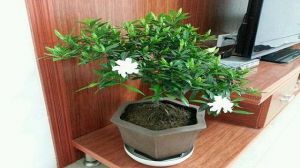
Can Gardenia Be Watered with Rice Water? Mastering the Right Method Is Key
Gardenia can be watered with rice water, because it contains a relatively large amount of various nutrients. However, it needs to be fermented first, and then diluted afterward. Also, it should not be used too often - once a month is enough. In addition, among the types of water that can be used, rainwater is also a good choice. If neither is available, tap water can be used, but it needs to sit for a period of time before use.
-
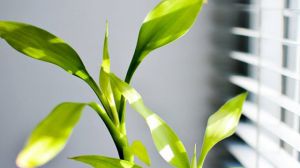
How to water lucky bamboo? It is important to master the correct method
Watering method for soil culture: In spring and autumn, you can decide based on the specific condition of the soil. In summer, in addition to watering it, you can also spray water mist on its leaves. In winter, reduce the frequency of watering to prevent frost damage to its roots. Watering method for water culture: For lucky bamboo grown in water, generally change the water once every 2 to 3 days. After the water evaporates, simply add an appropriate amount of water.
-
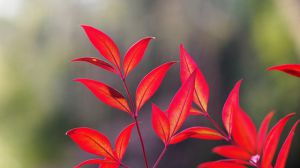
How to Identify Heavenly Bamboo 'Hongye'? Master These Identification Methods
Appearance: about 60-120 cm tall, few branches, upright, very dense branches and leaves, relatively compact tree shape. Leaves: alternate, thinly leathery, entire. In winter they are bright red, in spring, autumn and summer they are dark green. Flowers: panicles, white. Fruit: spherical, 2 seeds, red.
-
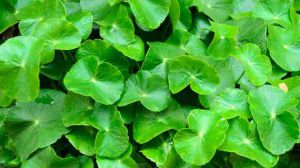
How to Identify Centella asiatica? Master These Identification Features
Leaves: kidney-shaped, round, or horseshoe-shaped, with bluntly toothed margins, petioles about 1.5-27 cm long, green. Flowers: umbels, purplish-red or creamy white. Fruit: spherical, base heart-shaped then becoming flat-topped, compressed on both sides, with longitudinal ridges on each side and small net-like transverse veins.
-
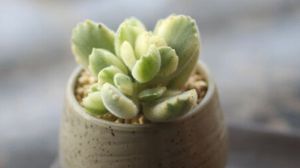
How to Identify a Bear's Paw (Cotyledon tomentosa)? Master These Identification Methods
Appearance: The plant grows about 30 cm tall, with a spread of 11-12 cm, and cylindrical green stems. Leaves: obovate-lanceolate to oblong-ovate, flat and spoon-shaped, green, densely covered with short white hairs, with tips that look like bear paws. Flowers: dichasial cymes, yellow petals, blooming from July to September.
-
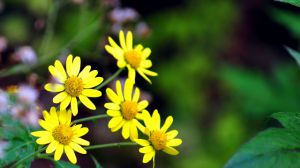
How to Identify Wild Chrysanthemum? Master These Features to Recognize It Easily
Stems and leaves: Prostrate or upright; the middle stem leaves are long ovate, elliptic-ovate or ovate, with a truncated or nearly heart-shaped base and serrated edges, light green, turning olive-colored after drying. Flowers: flower heads (capitula), with yellow ligulate florets; the flowering period is from June to November.
条件筛选