-

How to propagate Centella asiatica? A detailed guide to common propagation methods
Propagation methods for Centella asiatica
-

How to Grow Centella asiatica? A Detailed Explanation of the Key Cultivation Techniques
Cultivation Techniques for Centella asiatica
-

Detailed Explanation of the Planting Methods and Techniques for Striga asiatica
How to Grow Striga asiatica
-

A Complete Guide to Growing Pennywort (Centella asiatica) in Soil
1. Soil: Pennywort is not demanding about soil and can even grow in poor soil, but it is not very drought-tolerant. It grows best in slightly acidic, moist soil. A potting mix can be made by blending leaf mold, river mud and garden soil. 2. Fertilizing: Pennywort has a fairly high demand for fertilizer.
-

How much do Plantago asiatica seeds cost? Detailed guide to planting methods
Plantago asiatica seed prices and planting methods
-
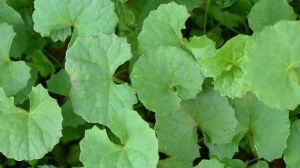
What is the difference between Farfugium japonicum and Centella asiatica? A quick guide to telling them apart
Leaf differences: The leaves of Farfugium japonicum are kidney-shaped, 9-13 cm long; the leaves of Centella asiatica are round, kidney-shaped or horseshoe-shaped, 1-2.8 cm long. Flower differences: The flowers of Farfugium japonicum are pale yellow, oblong or spoon-shaped oblong; the flowers of Centella asiatica are purplish-red or milky white, with ovate petals that are membranous, and a style about 0.6 mm long.
-
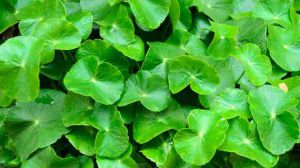
How to Identify Centella asiatica? Master These Identification Features
Leaves: kidney-shaped, round, or horseshoe-shaped, with bluntly toothed margins, petioles about 1.5-27 cm long, green. Flowers: umbels, purplish-red or creamy white. Fruit: spherical, base heart-shaped then becoming flat-topped, compressed on both sides, with longitudinal ridges on each side and small net-like transverse veins.
-
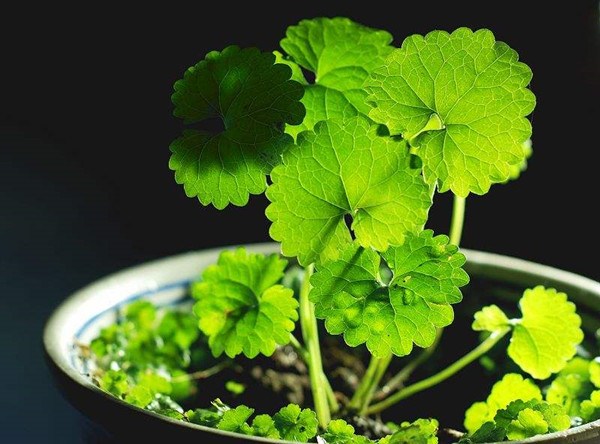
Centella asiatica is both beautiful and useful, and can be called the all-purpose remedy of the beauty and skincare world.
Centella asiatica, also known as wild mint, coin grass, beng da wan, and bian di xiang, is the whole plant of Centella asiatica, a plant in the Apiaceae family. Tao Hongjing explained the name, saying: "This herb is probably named for its cold and cool nature." This is because it mostly grows near streams and water, spreading like a vine, with leaves in opposite pairs...
-
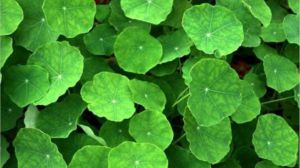
What are the benefits and effects of Centella asiatica? A quick guide
Hemostasis: Centella asiatica can shorten blood clotting time and can be used for symptoms such as blood in the urine, blood in the stool, gastric bleeding, and bleeding from external injuries. Beauty and skin care: It prevents pigmentation, promotes collagen growth, and increases skin elasticity. Memory improvement: It regulates the human brain's stress hormone cortisol and improves memory ability. Promoting diuresis and harmonizing the spleen: It can treat conditions such as watery diarrhea and dysentery caused by damp-heat.
-
条件筛选