Does Centella asiatica actually bloom? The answer is here
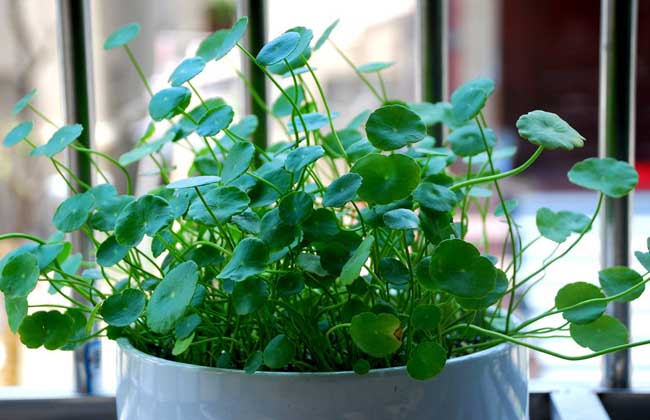
Centella asiatica is a perennial herbaceous plant in the family Apiaceae (Umbelliferae), native to Europe and now widely distributed in tropical and subtropical regions of the world. In China it is mainly distributed in the provinces south of the Yangtze River. It has a very strong spreading ability, is an excellent ground cover plant, and is also a relatively ideal ornamental plant for the home. Let us take a look below at whether Centella asiatica blooms!
Does Centella asiatica bloom?
Centella asiatica does bloom. Its small flowers are white-pink, and the flowering period is in April. It also produces fruit, with the fruiting period in July; the capsule is nearly spherical. It likes warm and humid conditions, and is best cultivated in partial sun or shade, avoiding direct sunlight. It is not particular about the growing soil, but soft, well-draining soil is best. The optimum water temperature is 22-28 degrees. It is shade-tolerant, moisture-tolerant, slightly drought-tolerant, and highly adaptable.
What should be done if Centella asiatica blooms?
Blooming in Centella asiatica consumes nutrients. When there are more and more flowers, nutrients are consumed, and the leaves begin to turn yellow. Moreover, Centella asiatica is mainly appreciated as a foliage plant, and the flowers are not attractive, with a somewhat smelly odor. At the same time, Centella asiatica can produce seeds, but compared with division, the seed germination rate is low and the growth cycle is long. Therefore, how to deal with blooming in Centella asiatica mainly depends on the grower's own attitude. If you want to keep the flowers, just let them grow; if you do not want flowers, simply cut them off when they appear.
The cultivation value of Centella asiatica
1. Ornamental value: Centella asiatica has obvious nodes, one after another, with each node growing one leaf, and it can extend continuously. Its underground creeping stems grow at an astonishing rate, spreading wherever they reach, making it one of the beautiful and easy-to-grow aquatic plants.
2. Landscaping effect: The leaves of Centella asiatica are round and peltate, like a copper coin, with long petioles and wavy margins. In summer and autumn it produces small yellow-green flowers. Centella asiatica is simple to cultivate and manage, with a beautiful plant shape and verdant leaf color, very pleasing to look at. It is currently one of the most favored aquatic plants among growers and is widely praised. When grown in aquariums, it is often used as a foreground plant.
3. Feng shui effect: A person's life cannot be separated from a green environment, because the physiological functions of green plants, such as producing oxygen through photosynthesis and releasing scents, are closely related to people. Therefore, a high-quality green environment plays an important role in feng shui. The “biological field” formed by plants has a very important influence on human career, physical health, love, and so on. The leaves of Centella asiatica are round, like mini lotus leaves, quite cute, and resemble ancient copper coins, symbolizing reunion and continuous good fortune. Moreover, its name carries the two characters “copper” and “coin”, so its meaning is naturally different. With copper coins at home, wealth rolls in, and therefore it is regarded as a symbol of wealth. So, from the perspective of symbolic meaning, it is also associated with money and good feng shui.
4. Medicinal value: Centella asiatica can also be used as a Chinese medicinal herb. It is bitter and pungent in taste and cold in nature, entering the liver, spleen, and kidney meridians. It has effects such as dispelling wind, securing the intestines, improving eyesight and clearing summer heat, clearing heat and removing dampness, and detoxifying and promoting diuresis. It is used to treat conditions such as damp-heat jaundice, heatstroke diarrhea, strangury with sand and blood, carbuncle swelling and sores, and traumatic injuries.