-

How is black rot in Phalaenopsis caused? A detailed guide to prevention and control methods
When growing Phalaenopsis, the most frustrating thing is encountering black rot and water-soaked rot. A perfectly healthy plant suddenly becomes sickly, and sometimes it cannot be saved. Today I will explain the causes and solutions in detail. Temperature and humidity imbalance: Phalaenopsis likes warmth and humidity, but it is also afraid of high temperature and high humidity. Its optimal growth temperature is 18-28°C
-

Why Philodendron 'Golden Diamond' Is Hard to Grow and the Correct Care Methods
Philodendron 'Golden Diamond', a popular green plant in many homes and offices. However, many people run into quite a few difficulties while caring for Philodendron 'Golden Diamond', leading to poor plant growth and even death. So why is Philodendron 'Golden Diamond' difficult to care for? And how can it be cared for successfully? Philodendron 'Golden Diamond' originates from tropical rainforests
-

How Many Times Can a Phalaenopsis Rebloom? Reblooming and Spike Care Methods
Phalaenopsis (moth orchids) are deeply loved by flower enthusiasts. After enjoying the beauty of a Phalaenopsis in its first bloom, many growers are often puzzled about whether it can bloom again. Under suitable care conditions, a Phalaenopsis can theoretically rebloom multiple times. Specifically, the number of reblooms is closely related to the plant's health, the care environment, and management of water
-

Does lucky grass prefer shade or sun, and what are the care methods and precautions?
Today I introduce an ornamental plant that can be easily found all around rural areas. Its name is "lucky grass" (Reineckea carnea). It not only has tenacious vitality, but also has significant medicinal value. You can chop it up and stew it with pig lungs, or steam it with honey and eat it. It is especially suitable for children to eat and has a good preventive effect on colds, fever, cough, sore throat, and so on.
-
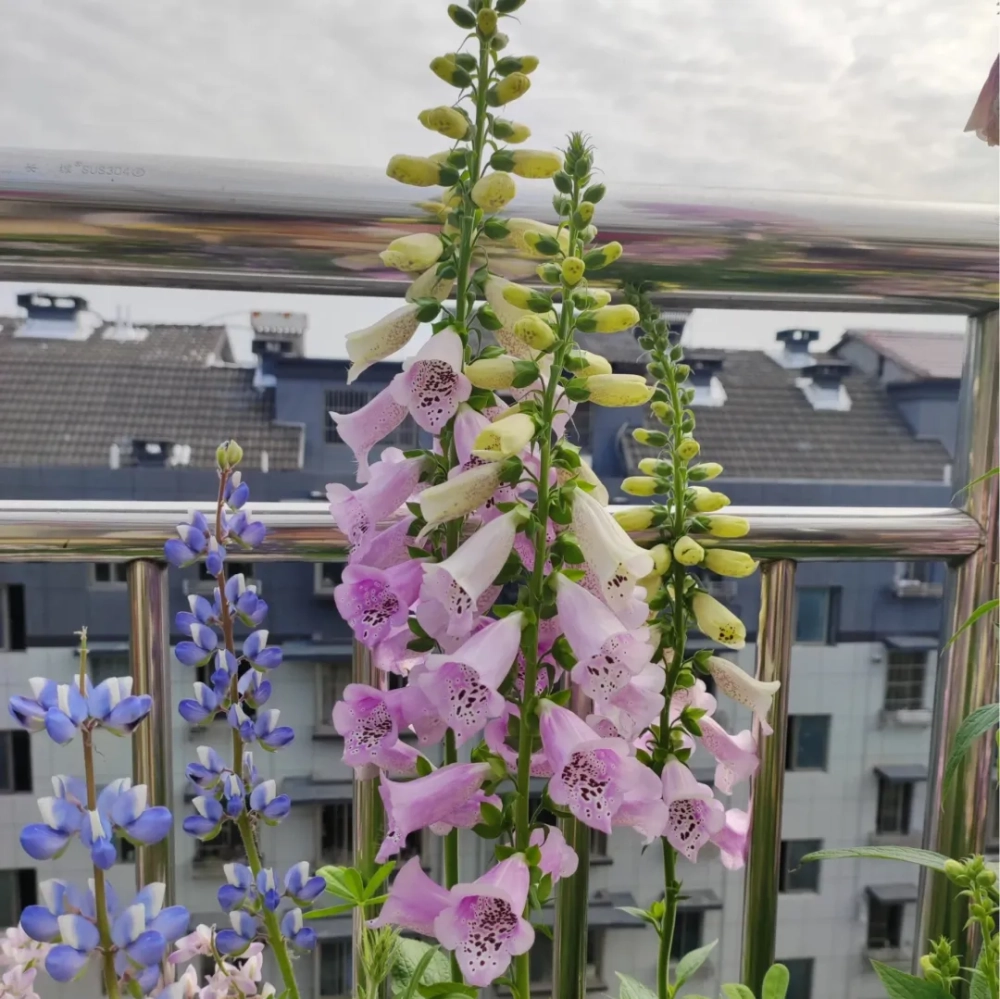
The Planting Time and Methods of Digitalis
Foxglove, with its unique flower shape and rich symbolic meanings, has won the favor of many gardening enthusiasts. This herbaceous plant belonging to the
-

What is the flower language and meaning of foxglove? With planting time and methods
Foxglove, with its unique flower form and rich flower language and meanings, has won the favor of many gardening enthusiasts. This herbaceous plant from the genus Digitalis in the family Scrophulariaceae is not only elegant in appearance but also carries profound meanings, making it a rare poetic spirit in the garden. The flowering period of foxglove is mainly concentrated from May to June.
-

Care and Management Methods and Precautions for Phalaenopsis After Repotting
A new year has kicked off the orchid-growing season again, and lately many friends have been asking how to care for Phalaenopsis after repotting. Today I've put together a super detailed guide for everyone, so even complete beginners can handle it with ease! After repotting, watering is the top priority. A Phalaenopsis that has just been transplanted will inevitably have its root system damaged to some extent.
-

Is soil culture or water culture better for Phalaenopsis? A detailed guide to care and watering methods
Phalaenopsis is a beloved favorite among many flower enthusiasts. After blooming, it has an elegant and graceful presence, and in recent years it has become one of the must-buy flowers for Spring Festival. At flower stalls, you generally see soil culture, and water culture is rare, but in fact Phalaenopsis can also be grown in water culture, so what should be noted when caring for it in water culture? Generally speaking, regardless of
-

How to Secure a Phalaenopsis Orchid Flower Spike? Detailed Guide to Timing and Methods
During the care of Phalaenopsis orchids, how to correctly secure the flower spike and when to do it are questions many orchid growers care about. Below is a detailed introduction to the methods and best timing for securing Phalaenopsis flower spikes, to help everyone better care for this beautiful flower. When the Phalaenopsis flower spike grows to about 10 cm, in order to prevent
-

The Benefits and Effects of Cornus officinalis and Its Bonsai Care and Management Methods
Today we recommend a plant that serves as both medicine and food, "Cornus officinalis" (Japanese cornel). As a superior medicinal herb recorded in traditional Chinese medicine, it has therapeutic effects such as lowering blood sugar, reducing inflammation and killing bacteria, nourishing the kidneys and replenishing essence, and boosting immunity. It is mainly produced in Henan, Shaanxi, Zhejiang, Anhui, Sichuan, Jiangsu, and other places in China. Cornus officinalis is also known as medicinal jujube, flesh jujube, and so on.
条件筛选