-

How many almonds should you eat a day? Recommended daily serving
Badam (almond) is a popular nut produced all over the world. Academically speaking, "Badam" originates from Persian and means "kernel." The Chinese word "badanmu" is a transliteration rather than a translation of the word "Badam." Badam is the name for Almonds (almond kernels) in many countries around the world
-
Can almonds be planted? A guide to understanding almond cultivation
Almonds are a common dried fruit on the market, divided into sweet almonds and bitter almonds, mainly containing protein, fat, sugar, and trace amounts of amygdalin. The fat composition is mainly oleic acid and linoleic acid. So, can almonds be planted? 1. Can almonds be planted? Almonds can be planted
-
Where are almonds produced, and what are the growing conditions?
Almonds are a nut with relatively high nutritional value, rich in protein and fat. Almonds can be further divided into sweet almonds and bitter almonds; those we eat in daily life are generally sweet almonds, because bitter almonds contain a certain degree of toxicity. So which places are almond production areas
-
How Much Are Almonds Per Jin? A Full Analysis of the Benefits and Whether Pregnant Women Can Eat Them
Almonds are the seeds of the apricot in the Rosaceae family, divided into sweet almonds and bitter almonds. They mainly contain protein, fat, sugar and traces of amygdalin, and the fat is composed mainly of oleic acid and linoleic acid. So, how much do almonds cost per jin? What benefits do they have? Can pregnant women
-
A Detailed Explanation of the Latest Growing Environment Requirements for Almonds
Almond is a Uyghur name; botanically it is called bitter almond (Prunus dulcis), and the main part eaten is the kernel, while the diseased part is the fruit. The fruit is very nutritious and has some dietary therapeutic effects, but bitter almond cannot be grown just anywhere. There are some restrictions on its growing environment. Domestic
-
Where Are Almonds Grown? A Look at the Latest Distribution
Do you know about almonds? Almonds are delicious, and many people love to eat them, so do you know where almonds come from? Probably very few people know. So below, the editor will introduce the main places where almonds are produced!
-
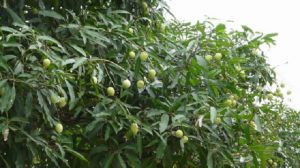
What are the benefits and effects of almonds? A detailed guide
Nutritional supplementation: Almonds contain various nutrients, such as protein and dietary fiber, which can supplement the body's nutrients. Helping fight cancer: They may be useful for the prevention and treatment of certain cancers. Strengthening the spleen and stomach: Their effects on the spleen and stomach are also very clear, and they can help digestion. In addition, they also have effects such as nourishing yin and tonifying the kidneys, improving eyesight, and benefiting the brain, and can be used for a variety of diseases.
-
Detailed explanation of processing techniques for almonds, dried apricots, and apricot juice
The apricot tree is one of the ancient cultivated tree species in our country and is widely distributed. Apricot fruit is a treasure in every part, containing rich vitamins and mineral elements. Every 100g of flesh contains 10g of sugar, 0.9g of protein, 1.79g of carotene, 0.02mg of thiamine, 0.03mg of riboflavin, 0.6mg of nicotinic acid, and 7mg of vitamin C. Almonds contain about 23% protein, 50%-60% fat, with an oil yield of 45.8%, and are rich in phosphorus, calcium, potassium, iron and other nutritional elements needed by the human body
-
Detailed Processing Technology for Wild Apricot Preserves Stuffed with Almonds
(1) Process flow: Raw material selection → washing, soaking → sulfur fumigation → sugar boiling → sugar steeping → baking → shaping and almond stuffing → packaging → finished product (2) Explanation of key operation points (1) Raw material selection: Choose dried wild apricots with thick flesh, large size, low fiber content, slight browning, and free from mold and insect damage as raw materials. For almonds, whole, large, and plump kernels are preferred. (2) Washing and soaking: Thoroughly wash the selected dried wild apricots and almonds with clean water, then soak for 30 minutes.
-
Detailed Explanation of Key Points for Spring Planting Techniques of Almonds
I. Cultivating Superior Seedlings. For almond rootstock, the own-root stock or peach rootstock is preferable; grafting onto apricot rootstock shows slow growth, poor healing, and stunted development, so it should not be used. Practice has proven that using almond as rootstock gives a high survival rate, good healing, high yield, and long lifespan, but slower growth. Using peach as rootstock (mountain peach or wild peach) gives a high survival rate and fast growth, but after healing the rootstock and scion diameters are inconsistent, and the lifespan is shorter (about 20 years). The seedling-raising method is basically the same as the technique for producing mature seedlings of common peach in the same year. Choose fertile, well-drained sandy
条件筛选