-

What to Do About Black Cane on Roses? Don't Throw It Out Yet - 3 Tricks to Bring It Back from the Dead
A perfectly good cane suddenly turns black, withering from the tip downward, and feels soft to the touch - this is what's called "black cane" on roses. At the first sign of black cane, many people panic, thinking the plant is beyond saving, and just pull it up by the roots and throw it away. Don't rush! As long as the black hasn't reached the roots, following these steps will most likely bring your rose back. Roses are
-
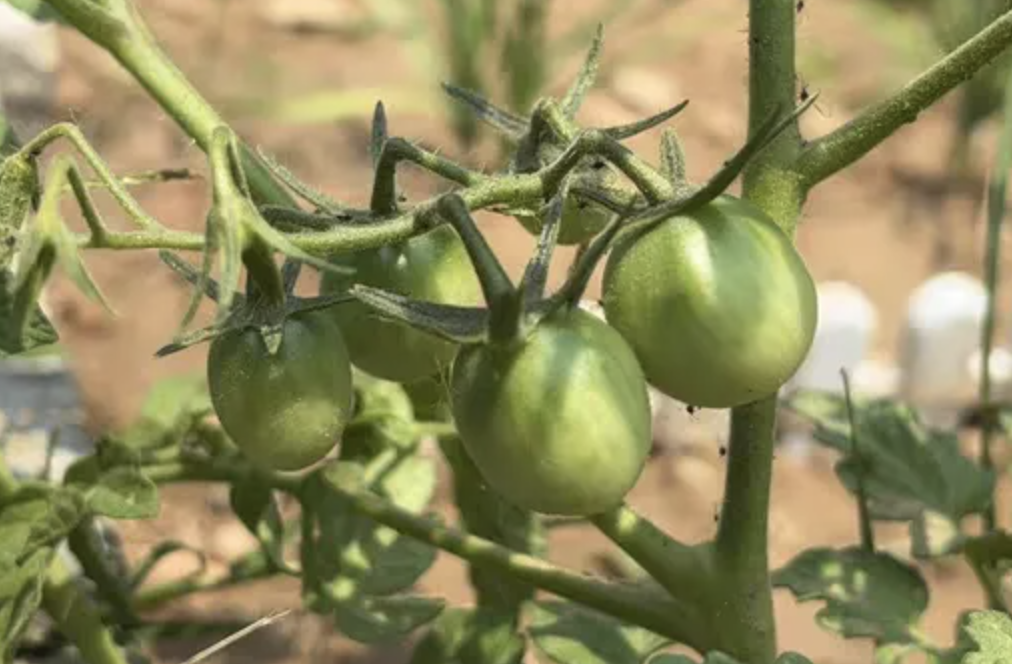
Why do tomato seedlings gradually wilt after being planted, and what can you do about it?
If your tomato seedlings look droopy with soft leaves and weak stems, don’t panic. By identifying the cause and applying the right remedy, you can bring them
-
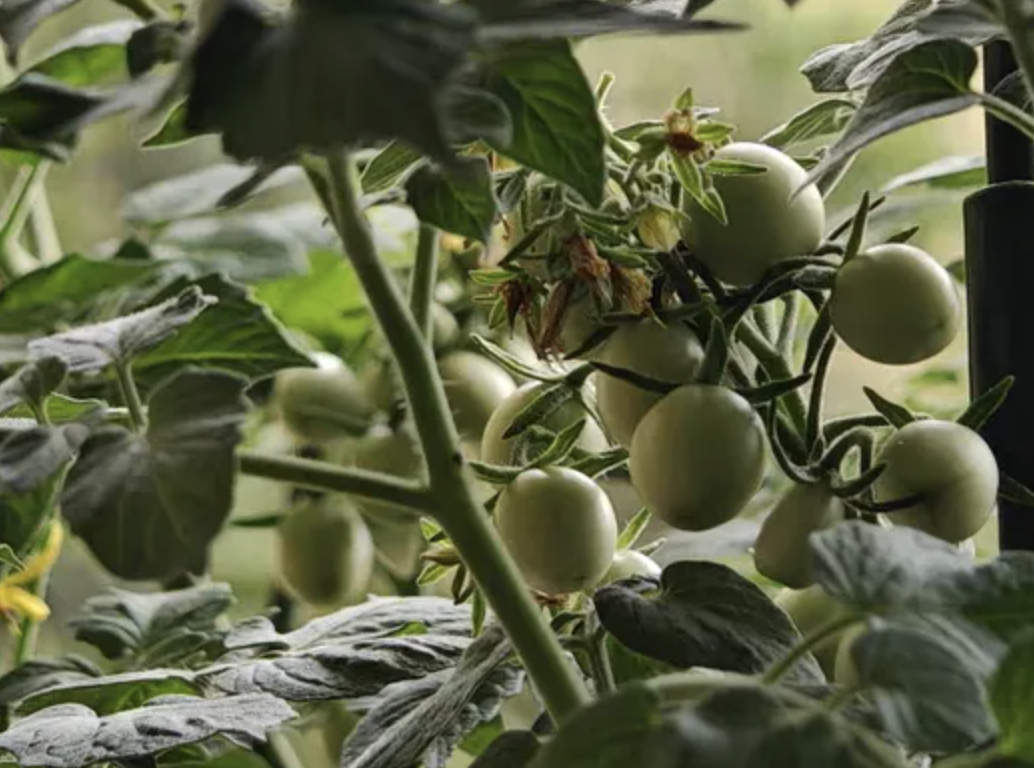
Why Newly Planted Tomato Seedlings Wilt — and What You Can Do About It
For many growers, tomato seedlings suddenly wilting can be frustrating. Don’t worry—here are the most common causes and practical fixes to help your plants
-

No Need to Worry About Sending Flowers on Qixi, Choose Them Like This and She'll Be Smitten
Qixi is almost here, and those of you thinking about sending flowers to your girlfriend are probably staring at flower shop photos right now, feeling stumped, right? Actually, when it comes to sending flowers, there's really no need to follow the trend and pick those fancy, flashy ones. The key is to touch her heart. Let's talk about those down-to-earth yet likable choices, all based on everyday observation of what girls are most likely
-

This wild vegetable in the field is edible and helps cool you down, but many people don't know about it
A while back I went back to my hometown and, crouching by the edge of the vegetable garden, spotted a clump of grass with tiny little white flowers on top and fuzzy, prickly edges on the leaves. I was just about to pull it up and toss it when my mom stopped me with a grab: "This is white flower cai, it's edible!" I was stunned right there - this thing looks no different from a weed, and it can go on the table too? Later
-

How to Tell If the Bark Has Fallen Off Your Phalaenopsis and What to Do About It
Anyone who grows phalaenopsis knows that the layer of bark at the bottom of the pot is not just decoration - it is what provides water retention and airflow. When the bark in the pot comes tumbling out, does that count as the bark falling off? So how do you tell whether the bark has fallen off, and what should you do once it has? The most direct way to see that the bark has come off is to look at the drainage holes at the bottom of the pot - normally
-
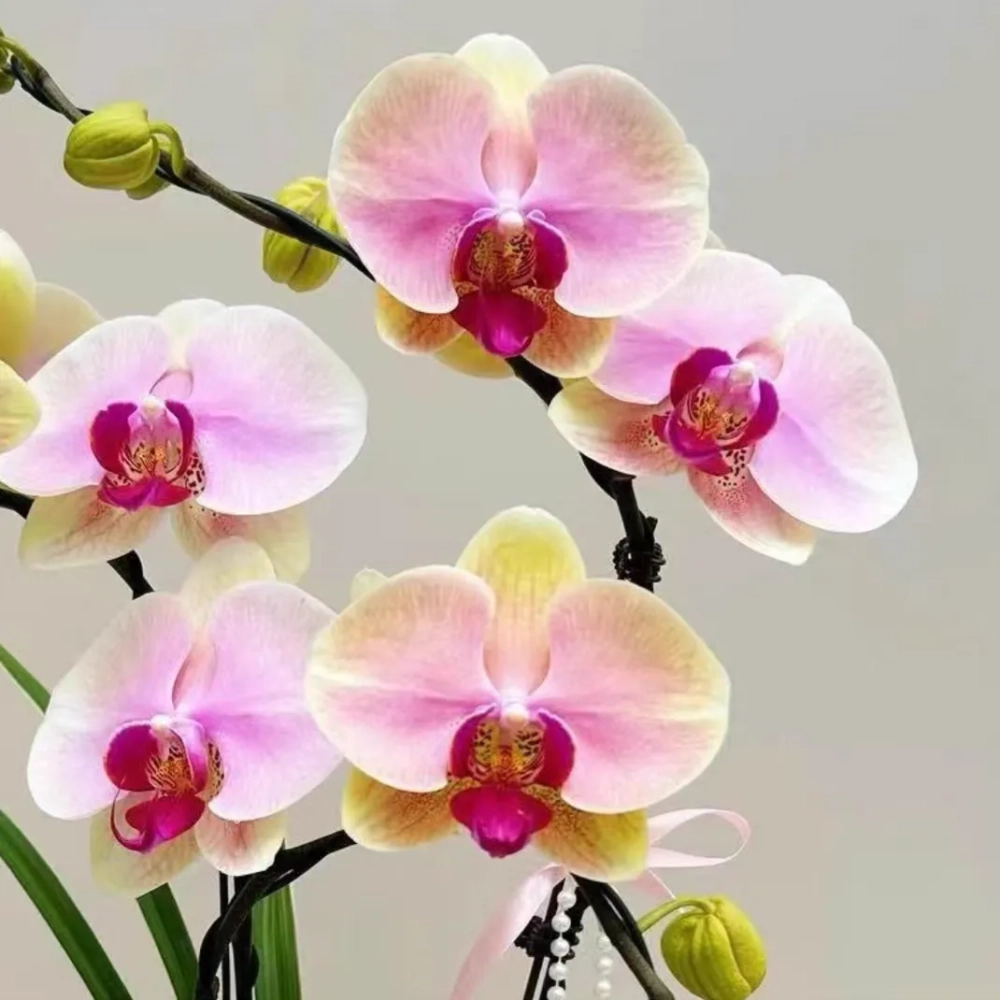
How about the Asahi Phalaenopsis? Is it a large - flowered variety?
Today, I'd like to introduce you to a charming flower - the Asahi Phalaenopsis. The Asahi Phalaenopsis is a medium-sized flower. Its petals are a bright yellow
-

What to Do About Root Rot in Phalaenopsis Orchids During Blooming? Here's the Correct Way to Handle It
When a Phalaenopsis orchid is in bloom and this beautiful flowering period is hit by root rot, it is truly distressing. Root rot during blooming can not only cause the flowers to wilt prematurely, but also endanger the life of the plant, so growers must act decisively and take the right measures. To solve the problem, you first need to understand why Phalaenopsis orchids develop root rot during blooming. The primary cause is usually
-

Is the nerve plant easy to keep alive? Learn about the benefits and uses of the nerve plant in one article
The nerve plant (Fittonia), a small and delicate ornamental plant whose leaves are covered with a unique network of veins, is favored by many plant lovers because of its appearance and relatively easy care. For friends who want to add a touch of green at home but worry about the difficulty of care, the nerve plant is undoubtedly a good choice. The nerve plant's
-

Is the Madagascar jasmine (Dipladenia) toxic? There are things to know about keeping it at home and smelling its fragrance
Have you ever thought about creating an eye-catching flower wall in your own garden? Then this "Madagascar jasmine," available in red, peach, and pink, and also fragrant, is perfect for you! Not only does it bloom continuously through all four seasons, but it also pairs well with other climbing plants. Madagascar jasmine belongs to the Apocynaceae family, and many people mistakenly assume it contains toxins
条件筛选