-
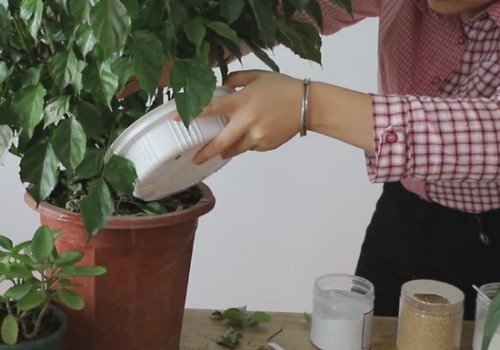
Abnormal leaf drop in the Radermachera sinica (China doll) may be caused by a lack of fertilizer
Radermachera sinica is a plant very well suited to indoor foliage display; it can be grown both as a small potted plant and as a medium-to-large potted specimen. Moreover, many people grow Radermachera sinica in pots at home not only because of its strong ornamental value and air-purifying function, but more because it carries the beautiful meaning of "enduring happiness." However,
-

Measures for Dealing with Abnormal Leaf Drop in Winter Flowers and Methods for Preserving Edible Fungi
Suggestions on Abnormal Leaf Drop in Winter Flowers
-

What causes abnormal leaf color in rapeseed? Cause analysis and control methods
Causes of abnormal leaf color in rapeseed and control methods
-

What to Do About Abnormal Growth in Straw Mushrooms? Cause Analysis and Preventive Measures
Causes of Abnormal Growth in Straw Mushrooms and Preventive Measures
-
Rice seedling-stage diseases require careful prevention and control, especially during periods of abnormal temperatures
Seedling-stage diseases are the general term for various physiological and infectious diseases during rice seedling raising, also called seedling rot. Physiological seedling rot refers to symptoms such as seed rot, bud rot, black root, greens wilt and yellow wilt death of seedlings caused by adverse environmental conditions; infectious seedling rot refers to seedling death symptoms caused by the harm of cottony leak and damping-off. During the seedling-raising period in northern rice regions, low temperatures and cold wave weather strikes are common, and the annual incidence rate of seedling rot disease is 10%~23%. Symptom characteristics 1. Physiological seedling rot: 1. Seed rot, refers to seeds rotting before germinating
-
Abnormal Behavior and Cause Analysis of Sick Discus Fish
For a generally sick discus fish, we can roughly understand its possible causes from abnormal behavior, appearance, and so on. Abnormal behaviors of sick fish and their causes: 1. The fish floats to the water surface, moves sluggishly, and looks listless -- oxygen deficiency, gill parasites, and bacterial infection. 2. Feeding rate decreases -- water quality may have deteriorated. 3. Gathers in one corner at the bottom of the tank, clamps its fins, etc. -- may have internal or external parasites, bacterial infection, etc. 4. Rubs against the tank wall or heater tube -- external parasite infection. 5
-
What are the common diseases that cause abnormal body color in chickens?
1. Staphylococcal infection: the affected areas look like bruised and contused tissue, appearing red, green, blue-black, or black depending on the degree of hemoglobin breakdown. Chronic cases involve arthritis. A definitive diagnosis requires pathogen identification. 2. Streptococcal infection: the lesions resemble those of staphylococcal infection but occur less often, and a definitive diagnosis also requires pathogen identification. 3. Monocytosis (uremia): the muscle color is darker or more purplish than normal, and the comb and head are cyanotic. The kidneys are swollen and
-
Common abnormal phenomena and handling measures in oyster mushroom cultivation in late spring and early summer
Late spring and early summer is a good season for cultivating oyster mushrooms. However, due to improper operations, some mushroom growers experience abnormal phenomena such as yellowing and necrosis of mushroom logs after fruiting, souring and stinking of the substrate, and delayed fruiting after the mycelium has fully colonized the bags, which reduces the success rate, yield, and quality and directly affects economic returns. Based on many years of production practice and the experience of growers, the author summarizes the causes of these abnormal phenomena and the handling measures as follows. 1. Mass death of young mushrooms after fruiting from the mushroom bags In late spring and early summer, sometimes after the mushroom logs fruit, young mushrooms turn yellow and soft in large numbers, their bases thicken, and then they wither and rot into dead mushrooms.
-
What are the reasons why oyster mushrooms do not fruit or fruit abnormally?
During oyster mushroom cultivation, it is fairly common for a fully colonized, mature mushroom bed to delay fruiting, or for a bed that has already produced 1 to 2 flushes to stop fruiting normally. The reasons include the following: 1. Substrate temperature too high. In a mushroom bed with mature mycelium, if there is no influence of lower temperatures, the substrate temperature drops very slowly. If the substrate temperature is above the fruiting temperature range, primordia are not easily formed; this phenomenon is most common in low-temperature strains planted in autumn. 2. Unsuitable environment. The ambient temperature where the mushroom bed is located is higher than the fruiting temperature range of the planted strain,
-
What are the treatment methods for abnormal fetal position in deer?
With the development of the deer farming industry, diseases brought about by the feeding management and reproduction of breeding does have also increased accordingly, especially in the late stage of pregnancy, when unfavorable factors such as feeding management lead to poor fetal development, frequently resulting in abnormal fetal position, stillbirth, premature birth and other phenomena. During my work in the diagnosis and treatment of deer diseases, I encountered a case of abnormal fetal position before the onset of labor. This doe showed signs of impending labor, and because it was her first pregnancy, the observation during fawning was especially careful. After the doe's water broke at 11 a.m., about four and a half
条件筛选